
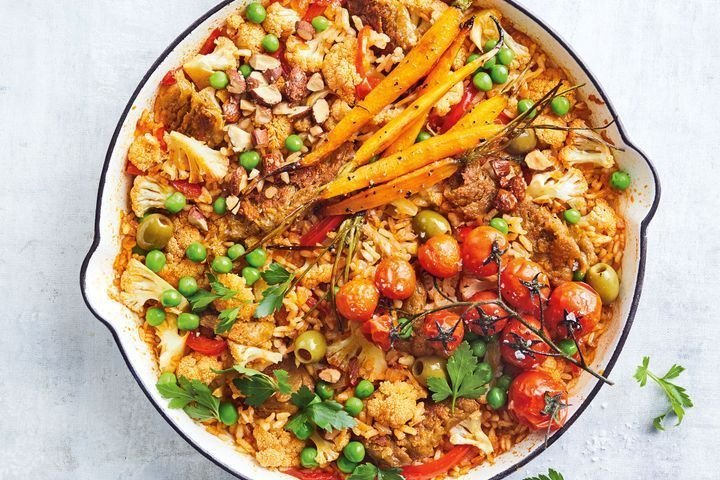
Building muscle on a plant-based diet is not only possible but can be highly effective with the right approach to nutrition and meal planning. Whether you’re an athlete, fitness enthusiast, or simply looking to add more plant-powered meals to your routine, focusing on high-protein, nutrient-dense foods is key. This guide explores a range of plant based muscle building recipes, essential nutrition strategies, and practical tips for optimizing your plant-powered gains.
If you’re new to plant-based eating or want more structure, consider exploring an easy vegan meal plan to help you get started with balanced, protein-rich meals.
Key Principles for Plant-Based Muscle Gain
Achieving muscle growth on a plant-based diet centers on three main pillars: adequate protein intake, calorie sufficiency, and nutrient diversity. Here’s how to make these work for you:
- Prioritize Protein Sources: Opt for foods like lentils, chickpeas, tofu, tempeh, seitan, edamame, quinoa, and beans. These are rich in protein and provide essential amino acids for muscle repair and growth.
- Eat Enough Calories: Muscle building requires a calorie surplus. Plant-based foods are often less calorie-dense, so include healthy fats (avocado, nuts, seeds, olive oil) and whole grains to meet your energy needs.
- Balance Your Macros: While protein is important, don’t neglect carbohydrates and fats. Complex carbs fuel your workouts, while fats support hormone production and recovery.
- Micronutrient Awareness: Pay attention to nutrients like iron, B12, zinc, and calcium. Consider fortified foods or supplements if needed.
High-Protein Plant Meals for Strength and Recovery
Incorporating plant based muscle building recipes into your weekly routine can help you hit your protein targets and keep meals exciting. Here are some foundational meal ideas and tips for maximizing protein in every dish.
Breakfast Options for Muscle Growth
- Tofu Scramble: Crumble firm tofu and sauté with turmeric, black salt, spinach, and bell peppers. Serve with whole grain toast for a protein-packed start.
- Protein Oats: Cook oats with soy milk, stir in chia seeds, hemp hearts, and a scoop of plant-based protein powder. Top with berries and almond butter.
- Chickpea Pancakes: Use chickpea flour, water, and spices to create savory pancakes. Add diced veggies and serve with avocado.
Lunches and Dinners Packed with Plant Protein
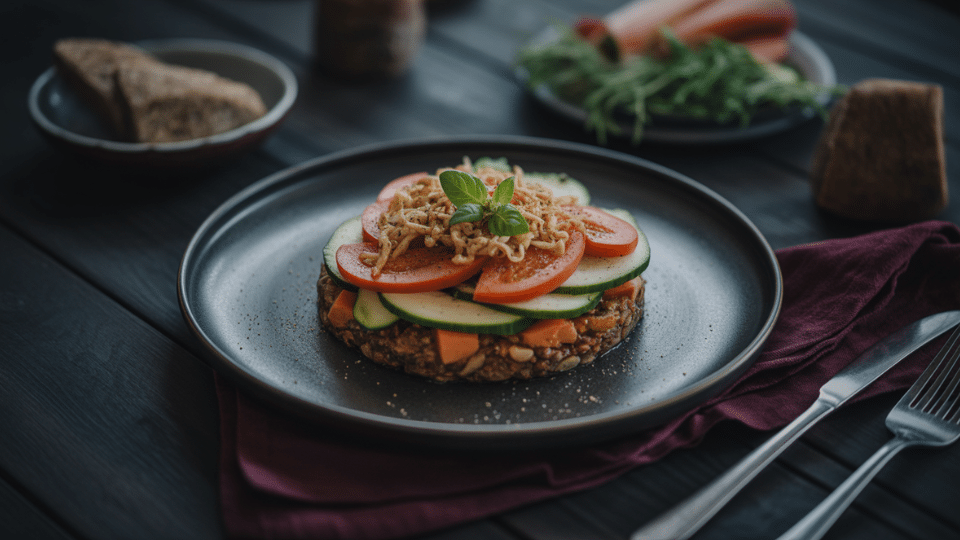
- Lentil and Quinoa Salad: Mix cooked lentils and quinoa with cherry tomatoes, cucumber, parsley, and a lemon-tahini dressing. Add pumpkin seeds for extra protein.
- Tempeh Stir-Fry: Sauté tempeh cubes with broccoli, bell peppers, and snap peas in a ginger-garlic sauce. Serve over brown rice or buckwheat noodles.
- Seitan Fajitas: Slice seitan and cook with onions and peppers. Serve in whole wheat tortillas with salsa and guacamole.
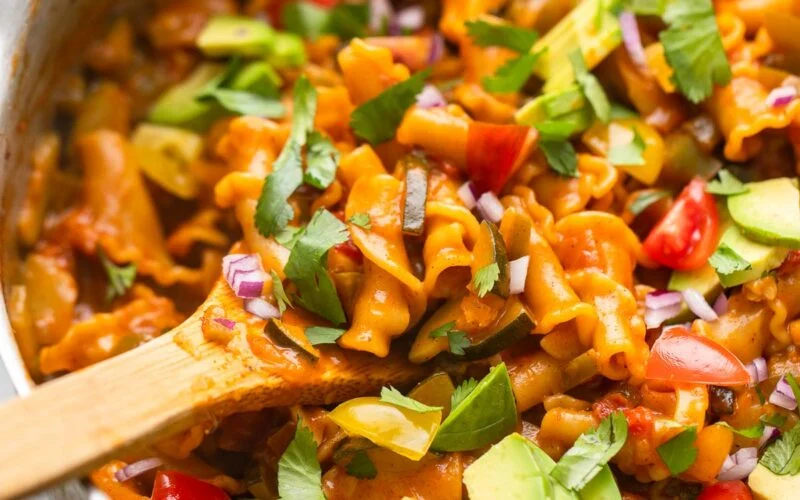
- Chickpea Pasta: Use pasta made from chickpeas or lentils and toss with roasted vegetables and a creamy cashew sauce.
For more inspiration, check out these plant based bowl recipes that combine grains, legumes, and vegetables for balanced, muscle-friendly meals.
Smart Snacking and Meal Prep for Gains
Consistent protein intake throughout the day supports muscle recovery and growth. Snacks and meal prep can make a big difference in hitting your daily goals.
- Edamame Hummus: Blend shelled edamame with tahini, lemon juice, and garlic for a protein-rich dip.
- Roasted Chickpeas: Season and roast chickpeas for a crunchy, portable snack.
- Homemade Protein Bars: Combine oats, nut butter, seeds, and plant protein powder. Chill and cut into bars.
- Greek-Style Soy Yogurt: Top with granola and berries for a quick, high-protein treat.
If you’re looking for more variety, explore these best vegan recipes 2026 for creative ways to boost your protein intake.
Tips for Maximizing Protein Absorption and Results
- Combine Protein Sources: Mix different plant proteins to ensure a complete amino acid profile.
- Time Your Meals: Distribute protein evenly across meals and snacks to support muscle synthesis.
- Include Iron and Vitamin C: Pair iron-rich foods (lentils, spinach) with vitamin C sources (bell peppers, citrus) to enhance absorption.
- Stay Hydrated: Water supports digestion and nutrient transport, aiding recovery.
- Track Your Intake: Use a nutrition tracker to monitor protein and calorie consumption, adjusting as needed.
For more expert advice and recipe ideas, visit the Plant Based RD Blog for evidence-based tips on nutrition and muscle building.
Sample Plant-Based Muscle Meal Plan
Here’s a simple day’s outline to help you visualize how to structure your meals for optimal muscle support:
| Meal | Example Recipe | Protein (g) |
|---|---|---|
| Breakfast | Tofu Scramble with Spinach & Toast | 22 |
| Snack | Edamame Hummus & Whole Grain Crackers | 12 |
| Lunch | Lentil & Quinoa Salad | 24 |
| Snack | Homemade Protein Bar | 10 |
| Dinner | Tempeh Stir-Fry with Brown Rice | 28 |
Adjust portion sizes and add snacks as needed to meet your personal calorie and protein requirements.
Frequently Asked Questions
How much protein do I need for muscle building on a plant-based diet?
Most active individuals aiming for muscle growth should target 1.6–2.2 grams of protein per kilogram of body weight per day. This can be achieved through a variety of plant foods and, if needed, plant-based protein powders.
Are plant proteins as effective as animal proteins for muscle gain?
Yes, plant proteins can support muscle growth when consumed in adequate amounts and combined for a complete amino acid profile. Focus on a diverse mix of legumes, grains, soy products, and seeds.
What are some easy ways to add more protein to plant-based meals?
Add tofu, tempeh, or seitan to stir-fries and salads, use lentil or chickpea pasta, sprinkle hemp hearts or pumpkin seeds on dishes, and include a scoop of plant protein powder in smoothies or oats.
Can I build muscle without supplements on a plant-based diet?
It’s possible to meet protein needs through whole foods, but some may find it easier to reach higher targets with the help of plant-based protein powders. Focus on whole food sources first and supplement as needed.
For more comforting and protein-rich meal ideas, explore these vegan soup recipes or try vegan ramen recipes for hearty, satisfying options.