

Embracing clean eating plant based meals is a practical way to support overall wellness, boost energy, and enjoy a wide variety of delicious foods. This approach focuses on whole, minimally processed ingredients from plants, making it easier to nourish your body with essential nutrients. Whether you’re new to this way of eating or looking to refine your routine, understanding the basics and benefits can help you make informed choices for your health.
Many people find that transitioning to a more plant-forward diet brings not only physical benefits but also a sense of connection to food and the environment. If you’re seeking inspiration or guidance, exploring an easy vegan meal plan can be a helpful starting point, especially for beginners.
What Defines a Clean Plant-Based Diet?
At its core, a clean plant-based eating pattern centers on foods that are as close to their natural state as possible. This means prioritizing:
- Fresh fruits and vegetables
- Whole grains like brown rice, quinoa, and oats
- Legumes such as beans, lentils, and chickpeas
- Nuts and seeds
- Minimally processed plant proteins (tofu, tempeh, edamame)
Processed foods, added sugars, and artificial ingredients are minimized or avoided. Instead, meals are built around nutrient-dense, fiber-rich ingredients that support digestion, energy, and long-term health.
Benefits of Whole Food Plant-Based Eating
Choosing a diet rich in unprocessed plant foods can offer a range of health advantages. Some of the most notable benefits include:
- Improved digestion due to higher fiber intake
- Better heart health from reduced saturated fat and cholesterol
- Steadier energy levels thanks to complex carbohydrates and balanced blood sugar
- Weight management as a result of nutrient density and satiety
- Reduced inflammation from antioxidants and phytonutrients
Research also suggests that a plant-based approach may lower the risk of chronic diseases, including type 2 diabetes and certain cancers. For those interested in exploring more creative meal options, browsing plant based bowl recipes can provide inspiration for balanced, colorful dishes.
Key Principles for Clean Eating with Plants
To get the most out of a wholesome plant-based routine, keep these principles in mind:
- Choose whole ingredients: Opt for foods with minimal or no processing. For example, pick whole grains over refined, and fresh produce over canned with added sugars or salt.
- Balance your plate: Aim for a mix of vegetables, grains, legumes, and healthy fats in each meal. This ensures a broad spectrum of nutrients.
- Read labels carefully: When using packaged foods, check for short ingredient lists and avoid artificial additives.
- Cook at home: Preparing meals yourself gives you control over what goes into your food, making it easier to stick to clean eating principles.
- Stay hydrated: Water and herbal teas are ideal choices, while sugary drinks and sodas are best limited.
Sample Meal Ideas for a Nourishing Routine
Building a menu around clean plant-based choices can be simple and satisfying. Here are some meal ideas to get you started:
- Breakfast: Overnight oats with chia seeds, berries, and almond butter
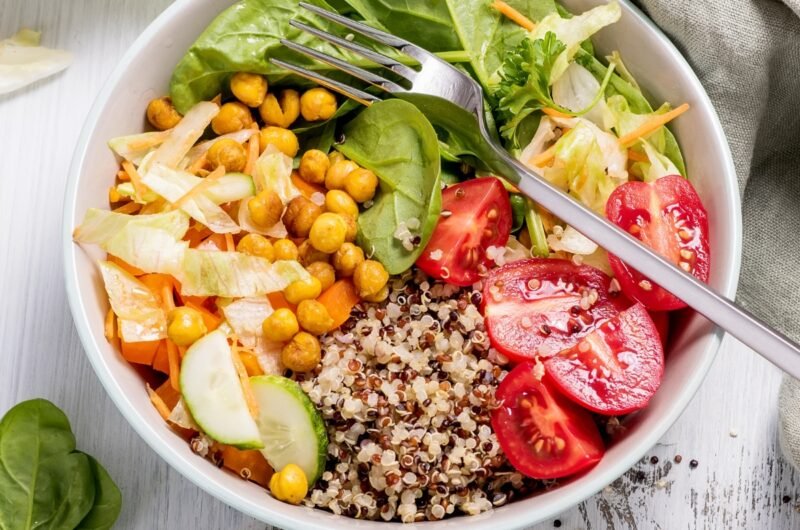
- Lunch: Grain bowl with quinoa, roasted vegetables, chickpeas, and tahini dressing
- Dinner: Stir-fried tofu with brown rice and steamed broccoli
- Snacks: Fresh fruit, raw nuts, or hummus with sliced veggies
Tips for Transitioning to a Cleaner Plant-Based Lifestyle
Shifting toward a more natural, plant-focused way of eating doesn’t have to be overwhelming. Here are some practical strategies:
- Start gradually: Replace one meal a day with a plant-based option, or dedicate a few days a week to eating only plants.
- Plan ahead: Batch-cook grains and legumes, chop vegetables in advance, and keep healthy snacks on hand.
- Experiment with flavors: Use fresh herbs, spices, citrus, and homemade sauces to keep meals exciting.
- Explore new recipes: Trying out best vegan recipes 2026 can help you discover new favorites and keep your menu varied.
- Listen to your body: Notice how you feel after eating different foods, and adjust your choices to support your well-being.
Common Nutrients to Consider
While a clean, plant-based approach can meet most nutritional needs, it’s important to pay attention to certain nutrients:
- Protein: Beans, lentils, tofu, tempeh, quinoa, and nuts are excellent sources.
- Vitamin B12: Consider a supplement or fortified foods, as B12 is not naturally found in plants.
- Iron: Leafy greens, lentils, and seeds provide iron; pair with vitamin C-rich foods for better absorption.
- Omega-3s: Flaxseeds, chia seeds, walnuts, and hemp seeds are good plant-based sources.
- Calcium: Fortified plant milks, tofu, and leafy greens can help meet your needs.
Resources for Further Inspiration
For more ideas and expert advice on wholesome plant-based eating, you might enjoy exploring the Plant Based RD blog, which offers practical tips, evidence-based nutrition guidance, and creative recipes.
If you love hearty, comforting dishes, check out these vegan soup recipes for cozy inspiration. For those who crave bold flavors, these vegan ramen recipes deliver satisfying, flavor-packed bowls.
Frequently Asked Questions
How do I make sure I’m getting enough protein on a plant-based diet?
Focus on including a variety of protein-rich plants in your meals, such as beans, lentils, tofu, tempeh, quinoa, and nuts. Spreading these foods throughout the day makes it easy to meet your needs.
Are clean plant-based meals suitable for families and kids?
Absolutely. Meals based on whole grains, vegetables, legumes, and fruits can be enjoyed by all ages. Get kids involved in meal prep and experiment with different flavors to find family favorites.
Can I eat out or travel while following a clean plant-based lifestyle?
With a bit of planning, it’s possible to find or create suitable options almost anywhere. Look for restaurants that offer grain bowls, salads, or vegetable-forward dishes, and don’t hesitate to ask for modifications.