

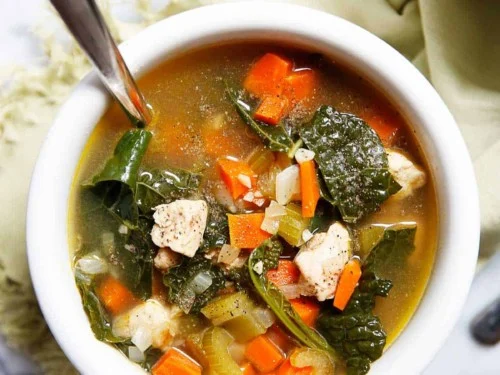
Embrace the warmth and nourishment of an anti-inflammatory vegetable soup that not only tantalizes your taste buds but also supports your health. This delightful soup is a perfect blend of vibrant vegetables and healing spices, making it an ideal choice for those seeking to reduce inflammation and boost their immune system. With its rich array of ingredients, this soup serves as a comforting meal that is both delicious and beneficial for your body.
Creating an anti-inflammatory vegetable soup at home allows you to control the quality and freshness of the ingredients, ensuring that you are consuming a wholesome meal. This soup is not only easy to prepare but also versatile, allowing you to customize it with your favorite vegetables and spices. Whether you are following an easy vegan meal plan or simply looking for a nourishing dish, this soup is a fantastic addition to your culinary repertoire.
In this article, we will guide you through the process of making this delicious soup, from selecting the right ingredients to mastering the preparation steps. We will also explore the health benefits of this soup and provide tips on how to store it for future enjoyment. Let’s dive into the world of flavors and wellness with this incredible recipe.
Choosing the Right Vegetables
When it comes to crafting an anti-inflammatory vegetable soup, the choice of vegetables plays a crucial role in enhancing both flavor and nutritional value. Opt for a variety of colorful vegetables, as each color represents different phytonutrients that contribute to the soup’s anti-inflammatory properties. Leafy greens like kale and spinach are excellent choices due to their high levels of antioxidants and vitamins. Cruciferous vegetables such as broccoli and cauliflower are also beneficial, as they contain compounds that help reduce inflammation. Additionally, root vegetables like carrots and sweet potatoes add a natural sweetness and are rich in beta-carotene, which is known for its anti-inflammatory effects.
Spices and Herbs for Flavor and Health
Spices and herbs are the heart of any flavorful soup, and they are particularly important in an anti-inflammatory vegetable soup. Turmeric is a must-have spice due to its active compound, curcumin, which has powerful anti-inflammatory and antioxidant properties. Ginger adds a zesty kick and is known for its ability to soothe the digestive system and reduce inflammation. Garlic not only enhances the flavor but also offers immune-boosting benefits. Fresh herbs like parsley and cilantro can be added towards the end of cooking to preserve their delicate flavors and nutrients. These spices and herbs not only elevate the taste of the soup but also contribute to its health-promoting qualities.
Ingredients: A Balanced Medley
- 2 tablespoons avocado oil
- 1 large onion, chopped
- 2 cloves garlic, minced
- 1 tablespoon fresh ginger, grated
- 1 teaspoon turmeric powder
- 2 carrots, sliced
- 2 stalks celery, chopped
- 1 zucchini, diced
- 1 cup broccoli florets
- 1 cup kale, chopped
- 6 cups vegetable broth
- Salt and pepper to taste
- Fresh parsley for garnish
Essential Cookware and Tools
To prepare this nourishing soup, having the right cookware and tools is essential. A dutch oven is ideal for this recipe as it allows for even heat distribution and retains heat well, ensuring that your soup cooks evenly. A premium chef knife is also recommended for chopping the vegetables efficiently and safely. These tools not only make the cooking process smoother but also enhance your overall cooking experience.
Step-by-Step Preparation Guide
- Heat the avocado oil in a dutch oven over medium heat. Add the chopped onion and sauté until translucent.
- Add the garlic and ginger, and cook for another minute until fragrant.
- Stir in the turmeric powder, carrots, and celery. Cook for about 5 minutes, stirring occasionally.
- Add the zucchini, broccoli, and kale, and pour in the vegetable broth. Bring the soup to a boil, then reduce the heat and let it simmer for 20-25 minutes.
- Season with salt and pepper to taste. Garnish with fresh parsley before serving.

Storing Your Vegetable Soup
Proper storage of your anti-inflammatory vegetable soup ensures that you can enjoy it over several days. Once the soup has cooled, transfer it to airtight containers and store it in the refrigerator for up to 4 days. For longer storage, consider freezing the soup in individual portions. This not only preserves the flavors but also allows for convenient reheating whenever you crave a warm bowl of soup. When reheating, do so gently on the stove to maintain the texture and taste of the vegetables.
Health Benefits of Vegetable Soup
This anti-inflammatory vegetable soup is a powerhouse of nutrients and health benefits. The combination of vegetables provides a wide range of vitamins, minerals, and antioxidants that support overall health. The anti-inflammatory properties of turmeric and ginger help reduce inflammation in the body, which can alleviate symptoms of chronic conditions such as arthritis. Additionally, the high fiber content of the vegetables aids in digestion and promotes a healthy gut. Consuming this soup regularly can contribute to a balanced diet and improve your well-being.
Conclusion
Incorporating an anti-inflammatory vegetable soup into your diet is a delicious and effective way to support your health. With its rich flavors and numerous health benefits, this soup is a versatile dish that can be enjoyed by everyone. Whether you are looking to reduce inflammation or simply enjoy a comforting meal, this soup is a perfect choice. We hope this guide has inspired you to try making this nourishing soup at home and experience its wonderful benefits.
Care for Your Cookware
Taking care of your cookware is essential to ensure its longevity and performance. After preparing your anti-inflammatory vegetable soup, make sure to clean your dutch oven and other tools properly. Avoid using harsh abrasives that can damage the surface. Instead, use mild soap and a soft sponge to clean them. Proper maintenance will keep your cookware in excellent condition, ready for your next culinary adventure.