
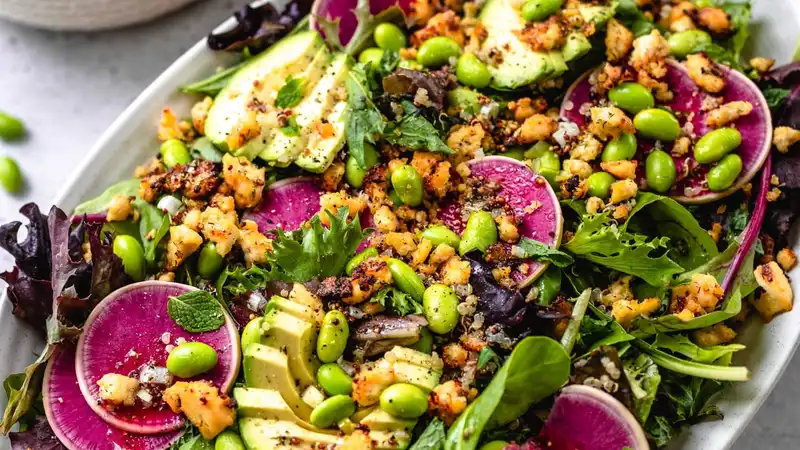
Adopting a plant based weight loss meals approach can be one of the most effective and enjoyable ways to support a healthy lifestyle. By focusing on whole, nutrient-dense foods, you can create meals that are both filling and supportive of your weight management goals. Whether you’re new to plant-based eating or looking to refresh your routine, this guide offers practical strategies, meal ideas, and tips to help you stay satisfied while working toward your goals.
Many people worry that eating plant-forward means sacrificing flavor or fullness. In reality, with the right ingredients and preparation, plant-based dishes can be hearty, delicious, and deeply satisfying. If you’re interested in prepping ahead, check out vegan meal prep for work for more ideas on staying organized and nourished throughout the week.
Why Choose Plant-Based Meals for Weight Management?
Plant-based eating emphasizes vegetables, fruits, legumes, whole grains, nuts, and seeds. These foods are naturally rich in fiber, vitamins, and minerals, while being lower in calories and saturated fats compared to many animal-based foods. This combination helps you feel full on fewer calories, making it easier to maintain a calorie deficit without feeling deprived.
Additionally, plant-based diets have been linked to improved heart health, better digestion, and more stable energy levels. By choosing plant based weight loss meals, you’re not just supporting your waistline—you’re also investing in your long-term well-being.
Key Components of Satisfying Plant-Based Weight Loss Dishes
To ensure your meals are both filling and supportive of your goals, focus on these essential elements:
- Protein: Beans, lentils, tofu, tempeh, and edamame are excellent sources of plant protein. Including them in your meals helps keep you full and supports muscle maintenance.
- Fiber: Whole grains like quinoa, brown rice, and oats, along with vegetables and legumes, provide fiber that slows digestion and promotes satiety.
- Healthy Fats: Avocado, nuts, seeds, and olive oil add flavor and help you feel satisfied.
- Volume: Load up on non-starchy vegetables to add bulk to your meals without adding many calories.
Combining these elements ensures your meals are balanced, flavorful, and satisfying.
Simple and Filling Plant-Based Meal Ideas
Here are some practical ideas for meals that are both nourishing and supportive of weight management:
- Chickpea Buddha Bowl: Combine roasted chickpeas, quinoa, steamed broccoli, shredded carrots, and a tahini-lemon dressing.
- Lentil & Vegetable Soup: A hearty soup with lentils, tomatoes, carrots, celery, and spinach provides protein and fiber in every spoonful.
- Stuffed Sweet Potatoes: Bake sweet potatoes and fill them with black beans, corn, salsa, and avocado.
- Veggie Stir-Fry: Sauté a mix of colorful vegetables with tofu and serve over brown rice or cauliflower rice.
- Overnight Oats: Rolled oats soaked with almond milk, chia seeds, berries, and a sprinkle of walnuts make a filling breakfast.
For more inspiration on budget-friendly options, explore cheap plant based meals that won’t compromise on nutrition or taste.
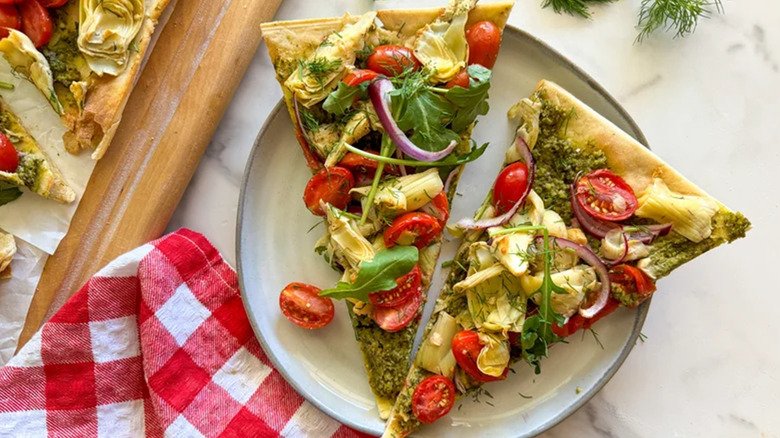
How to Build a Balanced Plate for Weight Loss
Creating a well-rounded meal is simple when you follow a basic template. Aim for:
- Half your plate filled with non-starchy vegetables (leafy greens, peppers, zucchini, cauliflower).
- A quarter of your plate with whole grains or starchy vegetables (quinoa, brown rice, sweet potatoes).
- A quarter with plant-based protein (beans, lentils, tofu, tempeh).
- Add a small serving of healthy fats (avocado, nuts, seeds, or a drizzle of olive oil).
This approach ensures you’re getting a balance of macronutrients and plenty of fiber, which helps you stay full and energized.
Meal Prep Tips for Staying on Track
Planning ahead is key to success with any eating pattern. Here are some tips to make plant-based eating more convenient:
- Batch cook grains and legumes at the start of the week for easy meal assembly.
- Chop vegetables in advance and store them in airtight containers.
- Prepare sauces and dressings to add flavor to simple bowls or salads.
- Pack meals in portable containers for grab-and-go lunches or dinners.
If you’re new to meal planning, the easy vegan meal plan offers a helpful starting point for organizing your week and minimizing stress.
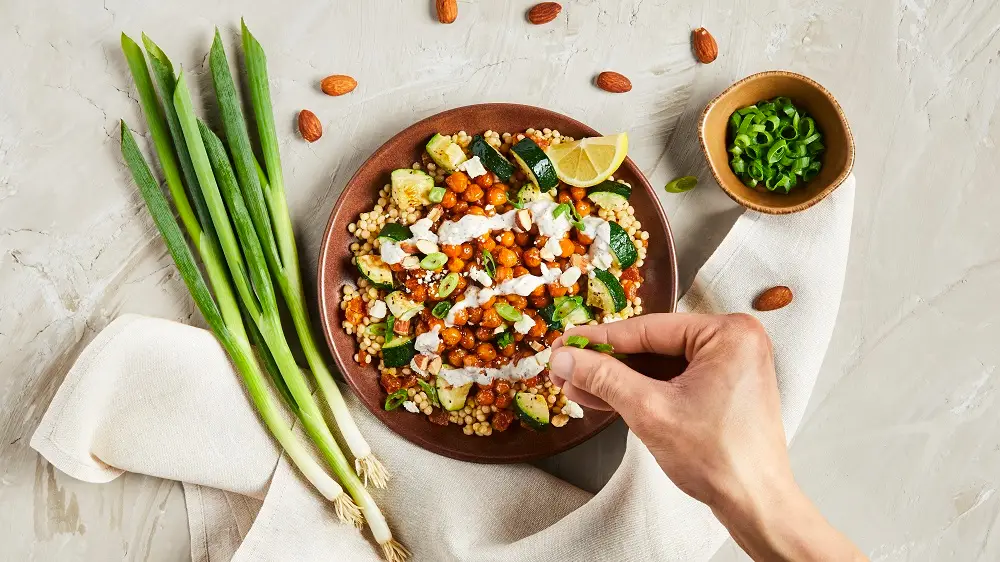
Flavorful Recipes and Resources for Continued Success
Staying motivated is easier when you have a variety of tasty recipes at your fingertips. Explore hearty vegan meals for filling dinner ideas, or try globally inspired options from popular plant based dishes loved around the world.
If you’re looking for even more inspiration, these top 10 healthy light plant-based dinners offer creative ways to keep your meals interesting and aligned with your wellness goals.
Common Mistakes to Avoid When Eating Plant-Based for Weight Loss
While plant-based eating is generally supportive of weight management, there are a few pitfalls to watch out for:
- Relying on Processed Foods: Many vegan convenience foods are high in calories, oils, and sugars. Focus on whole foods as much as possible.
- Skipping Protein: Make sure each meal contains a good source of plant protein to help you feel full and maintain muscle mass.
- Not Eating Enough: Plant foods are often less calorie-dense, so you may need to eat larger portions to feel satisfied.
- Neglecting Healthy Fats: Including moderate amounts of nuts, seeds, and avocados can help with satiety and nutrient absorption.
FAQs About Plant-Based Weight Loss Meals
What are the best protein sources for plant-based weight loss?
Excellent options include lentils, chickpeas, black beans, tofu, tempeh, edamame, and seitan. These foods provide protein and fiber, both of which help keep you full longer.
Can I lose weight eating only plant-based foods?
Yes, many people find that focusing on whole, plant-based foods makes it easier to maintain a calorie deficit and lose weight. The key is to prioritize minimally processed foods and ensure you’re getting enough protein and healthy fats.
How do I make sure my meals are filling enough?
Build your meals around high-fiber vegetables, whole grains, and plant proteins. Don’t be afraid to eat larger portions of low-calorie foods like leafy greens and non-starchy vegetables. Adding healthy fats and using herbs and spices for flavor can also help meals feel more satisfying.
Conclusion
Choosing plant based weight loss meals is a practical and enjoyable way to support your health while enjoying a wide variety of delicious foods. By focusing on balanced plates, meal prepping, and exploring new recipes, you can stay satisfied and motivated on your wellness journey. With the right strategies and resources, plant-based eating can be both effective and deeply rewarding.