
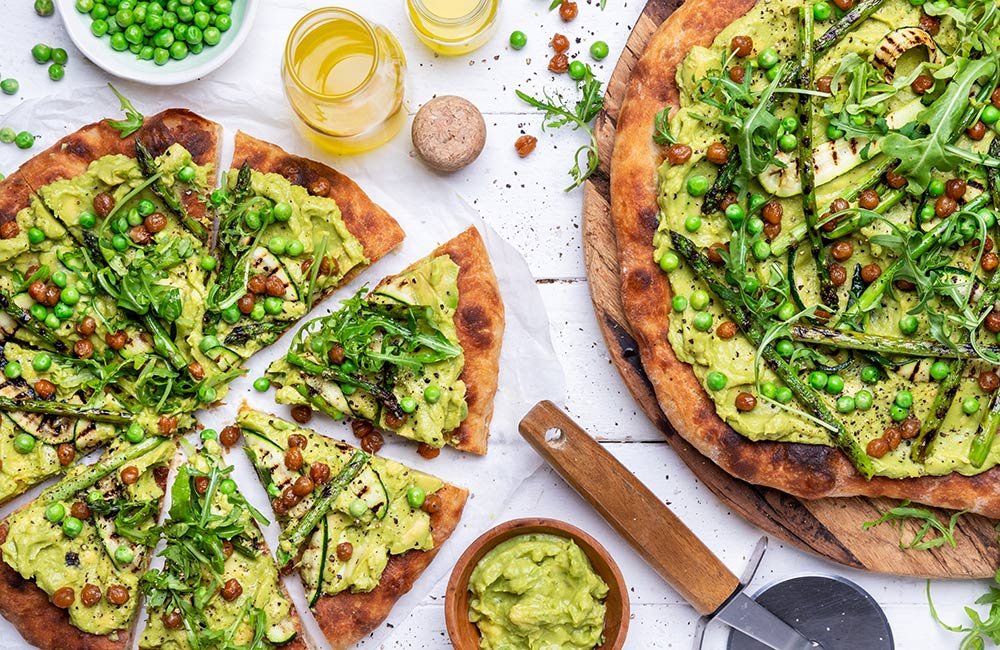
Starting a plant-focused diet can feel overwhelming, but with the right guidance, it becomes an enjoyable and rewarding journey. Whether you’re looking to eat more whole foods, reduce animal products, or simply try new flavors, exploring beginner plant based recipes is a fantastic way to get started. These dishes are designed to be simple, accessible, and full of flavor, making them perfect for anyone new to this way of eating.
Many people worry that plant-based meals require complicated ingredients or advanced cooking skills. In reality, there are countless easy recipes that use everyday pantry staples and fresh produce. By focusing on straightforward techniques and familiar flavors, you can build confidence in the kitchen and discover just how satisfying plant-based eating can be. If you’re interested in meal prepping for your week, check out vegan meal prep for work for more inspiration on planning ahead.
Why Choose Simple Plant-Based Meals?
Adopting a plant-forward lifestyle offers a range of benefits, from improved health to a lighter environmental footprint. For newcomers, focusing on easy plant-based recipes helps keep the transition stress-free. Simple meals are less intimidating, require fewer ingredients, and often come together quickly—ideal for busy schedules or those just learning to cook.
Some reasons to start with uncomplicated dishes include:
- Shorter ingredient lists and prep times
- Less risk of mistakes, boosting your kitchen confidence
- Easy to customize based on what’s in your pantry
- Opportunity to master basic techniques before trying advanced recipes
As you gain experience, you’ll naturally want to try new flavors and more complex meals. But for now, keeping things straightforward is the best way to build a solid foundation.
Essential Ingredients for Quick Plant-Based Cooking
Stocking your kitchen with a few key staples makes it much easier to whip up beginner plant based recipes any night of the week. Here are some basics to keep on hand:
- Whole grains: Brown rice, quinoa, oats, and whole wheat pasta provide filling bases for many meals.
- Legumes: Canned or dried beans, lentils, and chickpeas are protein-rich and versatile.
- Fresh and frozen vegetables: Broccoli, spinach, carrots, bell peppers, and peas add color and nutrition.
- Healthy fats: Avocados, nuts, seeds, and olive oil enhance flavor and satiety.
- Herbs and spices: Garlic, onion, cumin, paprika, basil, and oregano bring dishes to life.
- Plant-based milks: Almond, soy, or oat milk are useful for sauces, soups, and baking.
With these ingredients, you can create a wide variety of satisfying meals without much fuss.
Five Effortless Recipes for Plant-Based Beginners
Below are five approachable dishes that showcase how easy and delicious plant-based eating can be. Each recipe uses common ingredients and requires minimal prep, making them ideal for those just starting out.
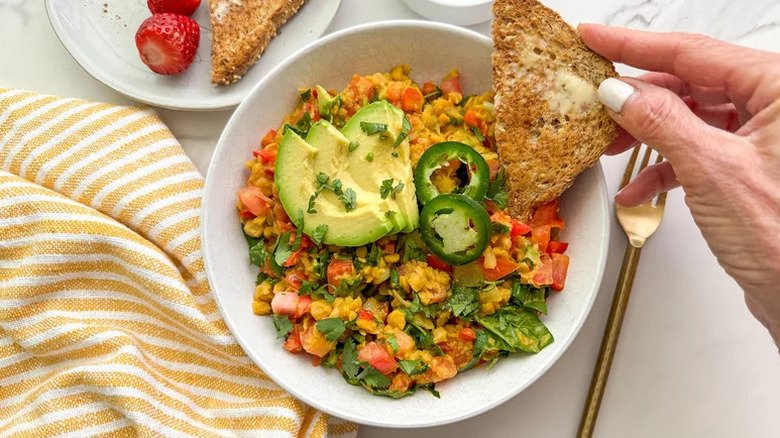
- Chickpea Scramble: A protein-packed alternative to eggs, chickpea scramble is quick, customizable, and perfect for breakfast or brunch. Sauté onions, peppers, and spinach, then add drained chickpeas and your favorite spices. Mash slightly and cook until heated through.
- Veggie Stir-Fry: Use any combination of vegetables you have on hand. Stir-fry in a little olive oil, add tofu or tempeh for protein, and toss with soy sauce or a simple peanut sauce. Serve over brown rice or noodles.
- Lentil Soup: Combine lentils, carrots, celery, and tomatoes in a pot with vegetable broth and seasonings. Simmer until the lentils are tender. This hearty soup is filling and stores well for leftovers.
- Simple Pasta Primavera: Cook whole wheat pasta and toss with sautéed seasonal vegetables, garlic, and a splash of olive oil. Top with fresh basil or nutritional yeast for extra flavor.
- Easy Black Bean Tacos: Mash canned black beans with cumin and chili powder. Spoon into corn tortillas and top with lettuce, salsa, and avocado. These tacos are fast, nutritious, and endlessly adaptable.
Tips for Success with Easy Plant-Based Recipes
Making the switch to plant-based eating is smoother when you have a few strategies in mind. Here are some practical tips for beginners:
- Start with familiar dishes: Adapt your favorite meals by swapping in plant-based ingredients. For example, use lentils in place of ground meat or try dairy-free cheese on pizza.
- Batch cook and meal prep: Prepare larger portions and store leftovers for quick lunches or dinners. For more ideas, see our guide to easy vegan meal plan for beginners.
- Experiment with sauces and seasonings: Flavorful sauces can transform simple grains and veggies into crave-worthy meals.
- Keep snacks on hand: Hummus, fruit, nuts, and roasted chickpeas make great plant-based snacks when you’re on the go.
- Don’t be afraid to repeat meals: It’s okay to eat the same easy recipes several times a week, especially when you’re just starting out.
Where to Find More Inspiration
Once you’ve mastered a few basics, you might want to branch out and try new dishes. There are plenty of resources available for those seeking more variety. For hearty options, explore our collection of hearty vegan meals that are both filling and flavorful. If you’re looking to save money, check out cheap plant based meals for budget-friendly ideas.
For even more inspiration, browse this curated list of plant-based main course recipes from trusted sources. These collections offer everything from quick weeknight dinners to creative new flavors, helping you keep your meals exciting and satisfying.
Common Mistakes to Avoid When Starting Out
Transitioning to a plant-based diet is a learning process. Here are some pitfalls to watch for as you try out new recipes:
- Relying too heavily on processed foods: While convenient, packaged vegan products can be high in sodium and additives. Focus on whole foods as much as possible.
- Not eating enough protein or calories: Make sure your meals are balanced and filling by including beans, lentils, tofu, and whole grains.
- Skipping meal planning: Without a plan, it’s easy to fall back on less healthy options. Take a few minutes each week to outline your meals.
- Getting discouraged by early mistakes: Everyone has a learning curve. Start simple, and remember that practice makes perfect.
FAQ: Getting Started with Plant-Based Cooking
What are some quick plant-based meals for busy weeknights?
Stir-fries, grain bowls, and soups are all excellent choices. You can also try tacos with beans and veggies, or pasta tossed with seasonal produce and olive oil. Many of these dishes come together in under 30 minutes and can be customized based on what you have available.
How do I make sure I’m getting enough protein on a plant-based diet?
Include a variety of protein-rich foods like beans, lentils, tofu, tempeh, quinoa, and nuts in your meals. Most people find it easy to meet their protein needs by eating a diverse range of whole plant foods. For more ideas, a dedicated cookbook such as the one linked above can be a helpful resource.
Are there affordable options for plant-based beginners?
Absolutely. Staples like beans, rice, oats, and seasonal vegetables are budget-friendly and form the basis of many easy recipes. For more tips on saving money while eating well, see our guide to cheap plant based meals.
Can I meal prep plant-based dishes in advance?
Yes, many plant-based meals are perfect for meal prepping. Soups, stews, grain salads, and casseroles can be made in large batches and stored for several days. For step-by-step tips, explore our vegan meal prep for work guide.
Conclusion
Embracing a plant-based lifestyle doesn’t have to be complicated. With a handful of pantry staples, a few simple recipes, and a willingness to experiment, anyone can enjoy delicious and nourishing meals. As you gain confidence, you’ll find endless ways to keep your meals interesting and satisfying. Remember, the key is to start simple and build from there—your taste buds and your health will thank you.