
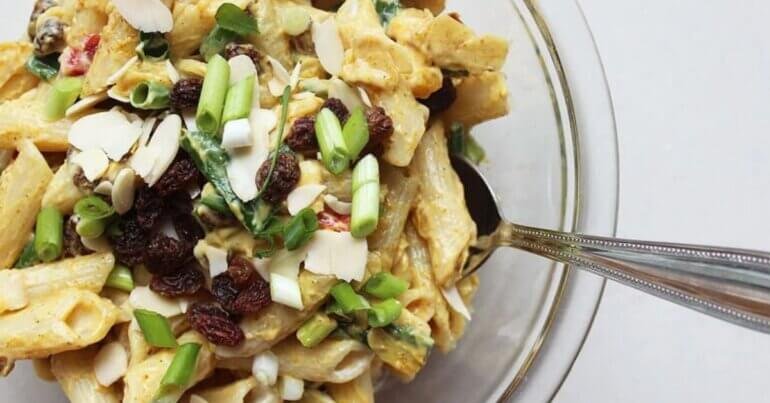
Embracing a plant based lifestyle can be both exciting and a little overwhelming, especially if you’re just starting out. Whether you’re motivated by health, sustainability, or curiosity, learning how to prepare simple, delicious meals without animal products is easier than you might think. This guide introduces approachable plant-forward cooking, offering tips, foundational recipes, and practical advice to help you build confidence in the kitchen.
If you’re looking for a structured approach to your new eating habits, consider checking out an easy vegan meal plan to help organize your weekly menu and shopping list.
Getting Started with Plant-Based Cooking
Transitioning to a diet focused on whole, plant-derived foods doesn’t require fancy equipment or hard-to-find ingredients. Start by stocking your pantry with essentials like beans, lentils, whole grains, nuts, seeds, and a variety of fresh or frozen vegetables and fruits. These staples form the backbone of countless plant based recipes for beginners and can be combined in endless ways.
If you’re unsure where to begin, try building meals around familiar dishes by swapping out animal products for plant-based alternatives. For example, use lentils instead of ground beef in chili, or try oat milk in your morning coffee. Over time, experimenting with new flavors and techniques will become second nature.
Essential Tips for Success
- Plan ahead: Meal prepping and batch cooking can save time and reduce stress during busy weeks.
- Keep it simple: Focus on recipes with minimal ingredients and straightforward steps.
- Flavor matters: Don’t be afraid to use herbs, spices, and condiments to enhance taste.
- Balance your plate: Aim for a mix of protein, fiber, healthy fats, and colorful produce.
- Stay inspired: Explore new cuisines and seasonal produce to keep meals interesting.
Easy Plant-Based Recipes for Beginners
To help you get started, here are a few beginner-friendly ideas that are both nourishing and satisfying. These dishes use accessible ingredients and can be customized to suit your preferences.
1. Quick Chickpea Salad Sandwich
Mash canned chickpeas with a fork and mix with vegan mayo, diced celery, onion, lemon juice, and a pinch of salt and pepper. Serve on whole grain bread with lettuce and tomato. This protein-packed sandwich is perfect for lunch or a light dinner.
2. One-Pot Lentil Soup
Sauté chopped onions, carrots, and celery in a pot. Add garlic, dried lentils, diced tomatoes, vegetable broth, and your favorite herbs. Simmer until lentils are tender. Enjoy with a slice of crusty bread for a hearty, warming meal.
3. Veggie-Packed Stir-Fry
Stir-fry a mix of colorful vegetables such as bell peppers, broccoli, and snap peas in a little olive oil. Add tofu or tempeh for protein, and toss with soy sauce, ginger, and garlic. Serve over brown rice or noodles for a balanced dinner.
Building Your Plant-Based Pantry
Having a well-stocked pantry makes it easier to whip up meals without a lot of planning. Here are some staples to keep on hand:
- Whole grains: brown rice, quinoa, oats, barley
- Legumes: black beans, chickpeas, lentils, kidney beans
- Nuts and seeds: almonds, chia seeds, flaxseed, sunflower seeds
- Plant-based milks: oat, almond, soy, coconut
- Spices and herbs: cumin, paprika, turmeric, basil, oregano
- Healthy fats: olive oil, avocado, tahini
For more inspiration, explore these plant based bowl recipes that combine grains, greens, and proteins for easy, customizable meals.
Simple Meal Planning Strategies
Consistency is key when adopting new eating habits. Setting aside time each week to plan your meals can help you stay on track and avoid last-minute takeout. Try these strategies:
- Pick a few core recipes and rotate them throughout the week.
- Batch cook grains and legumes to use in multiple dishes.
- Prep veggies in advance for quick salads or stir-fries.
- Use leftovers creatively—turn roasted vegetables into wraps or grain bowls.
If you’re looking for more ideas, check out these best vegan recipes 2026 for a variety of flavorful options.
Finding Inspiration and Support
Trying new recipes and connecting with others can make your plant-based journey more enjoyable. Online communities, cookbooks, and blogs offer a wealth of ideas for every taste and skill level. For a comforting meal, you might enjoy these vegan soup recipes that are perfect for cozy evenings.
If you’re craving something different, noodle lovers can dive into vegan ramen recipes for flavor-packed bowls that are easy to customize.
For even more meal ideas, you can browse this collection of easy and healthy vegan meal recipes from a trusted health organization.
Frequently Asked Questions
What are the best protein sources for new plant-based eaters?
Excellent protein sources include lentils, chickpeas, black beans, tofu, tempeh, quinoa, and edamame. Nuts and seeds also contribute protein and healthy fats. Incorporating a variety of these foods ensures you meet your nutritional needs.
How can I make sure my meals are balanced?
Aim to include a source of protein (like beans or tofu), whole grains, plenty of vegetables, and a small amount of healthy fat in each meal. This combination supports energy, satiety, and overall health.
Are plant-based meals suitable for families?
Absolutely. Many plant-forward dishes are family-friendly and can be adapted to suit different tastes. Start with familiar favorites—such as pasta, soups, or tacos—and gradually introduce new ingredients and flavors.
Do I need supplements on a plant-based diet?
While a well-planned diet can provide most nutrients, some people may need to supplement vitamin B12, vitamin D, or omega-3s. It’s a good idea to consult with a healthcare provider or dietitian for personalized advice.