
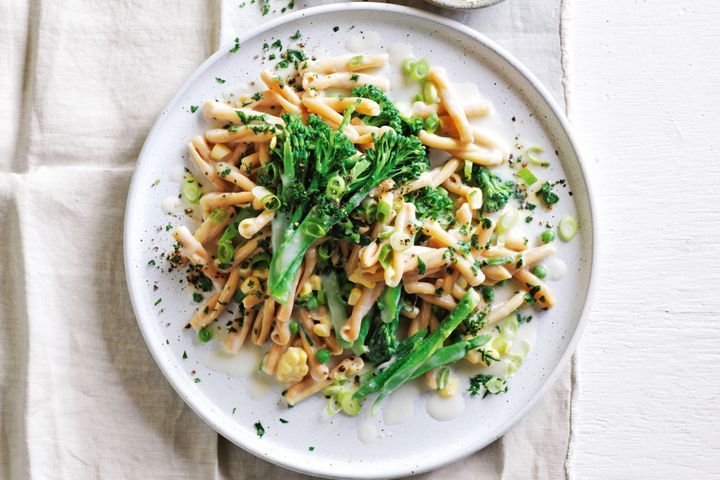
Embracing a plant based meal prep routine can make healthy eating more convenient, affordable, and enjoyable. With a little planning, you can fill your week with delicious, nutrient-rich dishes that save time and reduce stress. Whether you’re new to plant-forward eating or looking to streamline your routine, this guide covers practical strategies, recipe ideas, and tips to help you succeed.
Organizing your meals in advance not only supports your wellness goals but also helps minimize food waste and grocery costs. By prepping a variety of whole grains, legumes, vegetables, and flavorful sauces, you’ll have everything you need for quick lunches, satisfying dinners, and even plant-powered snacks. If you’re interested in exploring global flavors, you might enjoy these Middle Eastern vegan recipes for bold taste.
Why Weekly Plant-Based Meal Planning Works
Setting aside time for plant based meal prep each week offers several benefits. It simplifies your daily routine, ensures you have nourishing options on hand, and makes it easier to stick to your dietary goals. Prepping in batches also allows you to experiment with new recipes and cuisines, such as Mexican vegan recipes for spicy favorites or Thai plant based recipes for authentic flavor.
- Time-saving: Cook once, eat multiple times throughout the week.
- Budget-friendly: Buy ingredients in bulk and reduce impulse purchases.
- Balanced nutrition: Plan meals that include a variety of vegetables, grains, and proteins.
- Less stress: Know what’s for dinner every night.
Essential Steps for Effective Plant-Based Meal Prep
To get started, follow these steps for a smooth and successful prep session:
- Choose Your Recipes: Select 3–5 main dishes, a couple of sides, and a few snacks. Rotate cuisines for variety—try Chinese vegan recipes for easy home cooking or explore hearty cauliflower vegan recipes for healthy meals.
- Make a Shopping List: Organize your list by category (produce, grains, canned goods) to streamline your grocery trip.
- Batch Cook Staples: Prepare large amounts of grains (rice, quinoa, barley), beans or lentils, and roasted vegetables.
- Prep Sauces and Dressings: Whip up a few versatile sauces to add flavor to bowls, salads, and wraps.
- Portion and Store: Divide meals into containers for grab-and-go convenience. Use clear containers to easily see what’s inside.
Sample Weekly Plant-Based Meal Prep Menu
Here’s a sample menu to inspire your next prep session. Adjust quantities and ingredients to suit your taste and schedule.
- Breakfast: Overnight oats with berries and seeds, chia pudding, or tofu scramble.
- Lunch: Grain bowls with roasted vegetables, beans, and tahini dressing.
- Dinner: Lentil stew, chickpea curry, or veggie stir-fry with brown rice.
- Snacks: Hummus with sliced veggies, roasted chickpeas, or fruit and nut bars.
Tips for Keeping Plant-Based Meals Fresh All Week
Proper storage is key to maintaining the taste and safety of your prepped dishes. Here are some tips to help your meals stay fresh:
- Cool cooked foods before sealing containers to prevent condensation.
- Store dressings and sauces separately to avoid soggy salads and bowls.
- Use airtight glass or BPA-free plastic containers for best results.
- Label containers with the prep date and contents for easy identification.
- Freeze portions you won’t eat within 3–4 days to extend shelf life.
Flavorful Ideas for Your Plant-Based Prep
Keeping your meals interesting is easier when you mix up flavors and textures. Try incorporating global spices, seasonal produce, and different cooking methods. For more inspiration, browse main course plant-based recipes that are both satisfying and easy to prepare.
- Swap grains: Try farro, millet, or bulgur for variety.
- Experiment with legumes: Use black beans, lentils, or edamame in salads and bowls.
- Add crunch: Top dishes with toasted seeds, nuts, or crispy chickpeas.
- Brighten flavors: Use fresh herbs, citrus juice, and homemade vinaigrettes.

Common Challenges and Solutions for Plant-Based Meal Prep
Even with the best intentions, meal prepping can come with a few hurdles. Here are some common challenges and how to overcome them:
- Lack of Variety: Rotate your favorite dishes and try new recipes each week. Explore different cuisines and seasonal vegetables.
- Time Constraints: Choose simple recipes that use similar ingredients or batch-cook staples to save time.
- Food Boredom: Use different sauces, toppings, and garnishes to keep meals exciting.
- Storage Issues: Invest in quality containers and freeze portions you won’t eat right away.
Frequently Asked Questions
How long do prepped plant-based meals last in the fridge?
Most cooked plant-based dishes will stay fresh for 3–4 days when stored in airtight containers in the refrigerator. For longer storage, freeze portions and thaw as needed.
What are the best proteins to include in plant-based meal prep?
Beans, lentils, tofu, tempeh, edamame, and quinoa are excellent sources of plant protein. Rotating these options throughout the week ensures balanced nutrition and variety.
How can I keep my meals from getting soggy?
Store wet ingredients like dressings and sauces separately from grains and greens. Add these components just before eating to maintain texture and freshness.
Final Thoughts
Building a habit of plant based meal prep can transform your approach to healthy eating. With a little planning and creativity, you’ll enjoy diverse, flavorful meals all week long. Explore new recipes, experiment with global flavors, and make the most of your time in the kitchen. Whether you’re prepping for one or feeding a family, these strategies will help you stay organized and inspired on your plant-forward journey.