
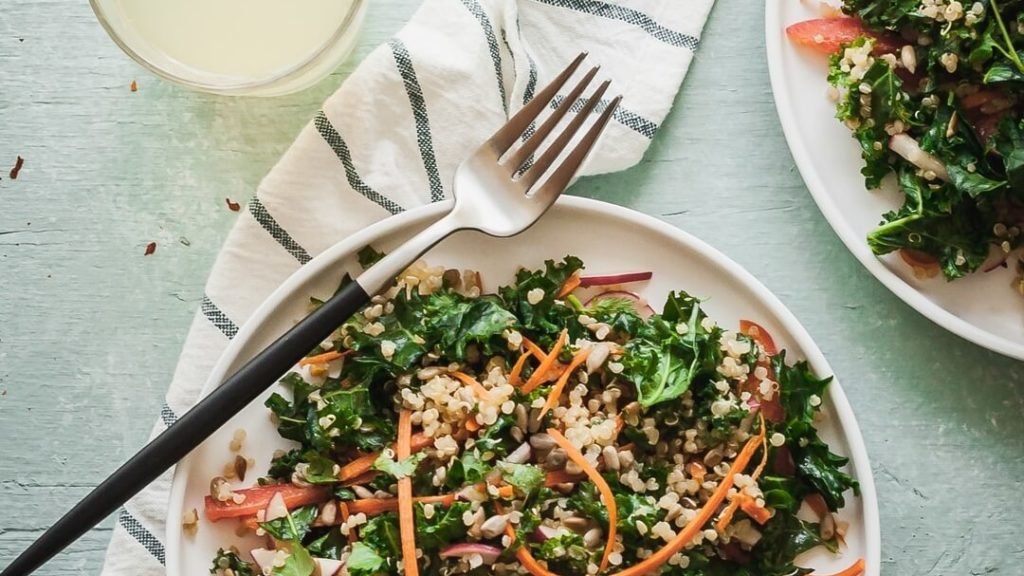
Building muscle and maintaining energy levels isn’t just for those following a traditional diet. With the right approach, plant based protein meals can provide all the essential nutrients and amino acids needed for muscle recovery and growth. Whether you’re an athlete, fitness enthusiast, or simply looking to eat more plant-forward, understanding how to fuel your body with plant proteins is key to reaching your goals.
Many people wonder if plant-powered diets can support muscle development as effectively as animal-based diets. The answer is yes—when meals are thoughtfully planned. This article explores the best sources of plant protein, practical meal ideas, and tips to ensure your nutrition supports an active lifestyle. If you’re interested in prepping ahead, check out vegan meal prep for work for more inspiration on convenient, protein-rich options.
Why Choose Plant Protein for Muscle Support?
Plant-based eating offers a range of benefits beyond just protein. Meals centered around legumes, whole grains, nuts, and seeds are rich in fiber, antioxidants, and healthy fats. These nutrients support recovery, reduce inflammation, and contribute to overall health. For those focused on muscle fuel, the key is to include a variety of protein sources to ensure a complete amino acid profile.
Many athletes and active individuals are turning to plant-forward diets for their positive impact on digestion, heart health, and environmental sustainability. With careful planning, you can meet your protein needs and enjoy diverse, flavorful dishes every day.
Top Sources of Protein in Plant-Based Meals
To maximize the benefits of plant based protein meals, it’s important to know which foods pack the most protein per serving. Here are some of the best options to include in your daily meals:
- Lentils: About 18 grams of protein per cooked cup. Great for soups, stews, and salads.
- Chickpeas: Around 15 grams per cooked cup. Perfect for curries, hummus, and roasted snacks.
- Quinoa: Contains all nine essential amino acids with 8 grams per cooked cup.
- Tofu and Tempeh: Both are soy-based and offer 15–20 grams of protein per serving.
- Edamame: Young soybeans with about 17 grams per cup.
- Seitan: Wheat-based, with a whopping 25 grams per 3-ounce serving.
- Hemp, Chia, and Pumpkin Seeds: Excellent for adding protein and healthy fats to meals.
- Nuts and Nut Butters: Almonds, peanuts, and cashews provide protein and energy.
- Whole Grains: Brown rice, barley, and oats contribute to your daily intake.
Combining these foods throughout the day ensures you get a balance of amino acids and steady energy for workouts and recovery.
Delicious Meal Ideas for Muscle Recovery
Creating satisfying, protein-rich dishes is easier than you might think. Here are a few ideas to inspire your weekly menu and keep your meals exciting:
- Chickpea and Quinoa Power Bowls: Layer cooked quinoa, roasted chickpeas, spinach, cherry tomatoes, and a tahini-lemon dressing for a balanced meal.
- Lentil and Sweet Potato Stew: Hearty and warming, this dish combines lentils, sweet potatoes, carrots, and kale for a comforting protein boost.
- Tofu Stir-Fry: Sauté tofu cubes with broccoli, bell peppers, and snap peas in a ginger-garlic sauce. Serve over brown rice or noodles.
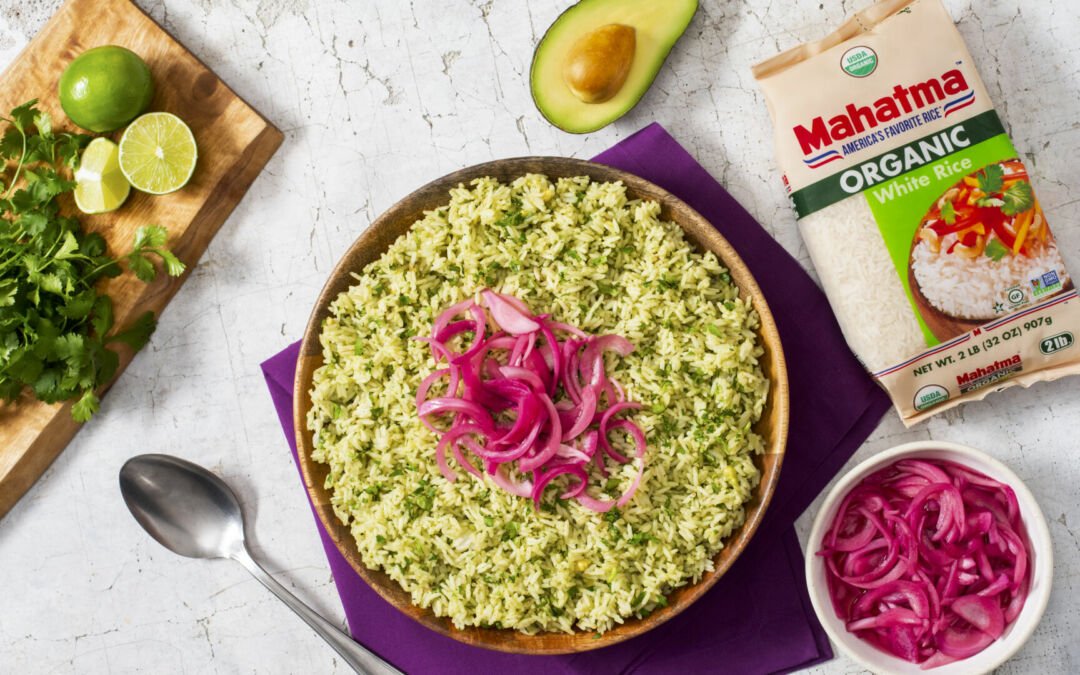
- Edamame and Brown Rice Salad: Toss shelled edamame, brown rice, shredded carrots, and sesame seeds with a light soy-ginger dressing.
- Seitan Fajitas: Sauté sliced seitan with onions and peppers, then serve in warm tortillas with avocado and salsa.
For more inspiration on affordable and filling dishes, explore these cheap plant based meals that don’t compromise on nutrition or flavor.
How to Build Complete Protein Profiles
One common concern with plant-based eating is getting all essential amino acids. While some plant foods are “complete” proteins (like quinoa and soy), others are not. However, by eating a variety of protein sources throughout the day, you naturally create a complete amino acid profile.
For example, pairing beans with rice, or hummus with whole grain pita, ensures you’re getting all the building blocks your muscles need. There’s no need to combine proteins at every meal—just focus on variety over the course of your day.
Meal Prep Tips for Busy Lifestyles
Consistency is key for muscle growth and recovery. Prepping meals ahead of time can help you stay on track, especially during busy weeks. Here are some tips to streamline your routine:
- Batch-cook grains and legumes to use in salads, bowls, and wraps.
- Chop veggies and store them in airtight containers for quick stir-fries or snacks.
- Prepare sauces and dressings in advance to add flavor and nutrition to any dish.
- Portion meals into containers for grab-and-go lunches or post-workout dinners.
If you’re new to this way of eating, start with an easy vegan meal plan to simplify your transition and ensure you’re meeting your nutritional needs.
Balancing Macronutrients for Optimal Results
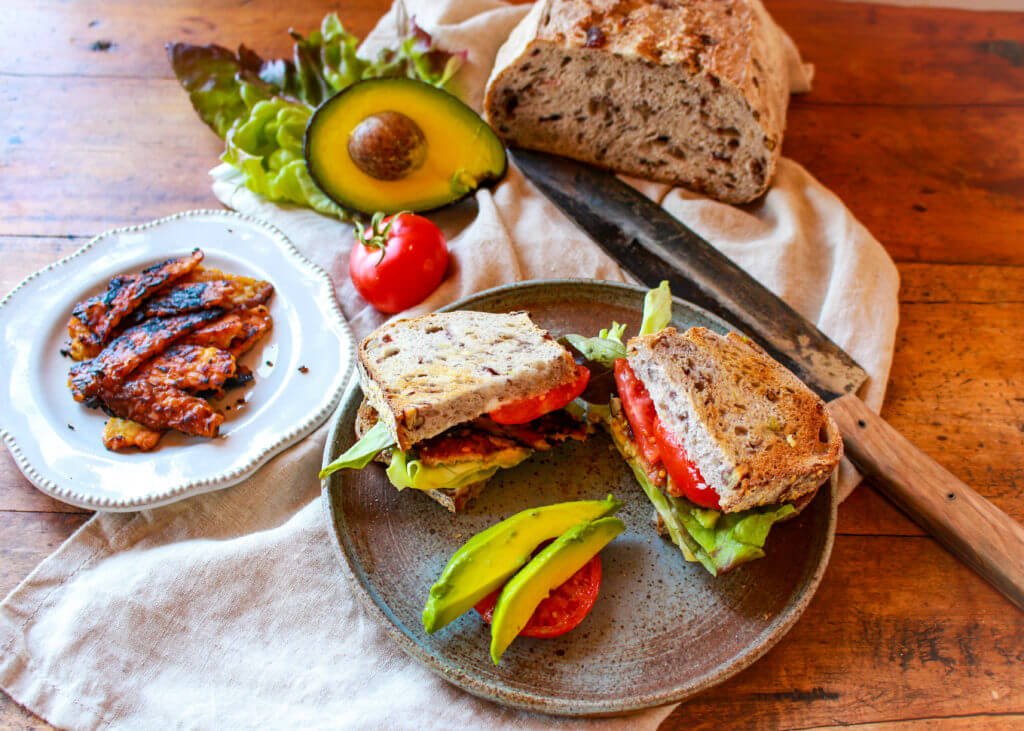
While protein is crucial for muscle repair, don’t overlook the importance of carbohydrates and healthy fats. Whole grains, starchy vegetables, and fruits provide energy for workouts, while nuts, seeds, and avocados offer essential fatty acids for hormone balance and joint health.
Aim for balanced meals that include a source of protein, complex carbs, and healthy fats. This approach supports sustained energy, better recovery, and overall well-being.
Creative Ways to Add More Protein to Your Diet
It’s easy to boost your intake of plant protein with a few simple strategies:
- Add hemp, chia, or pumpkin seeds to oatmeal, smoothies, and salads.
- Use nut butters as a topping for toast, fruit, or in sauces for savory dishes.
- Blend silken tofu into smoothies or soups for a creamy texture and extra protein.
- Try protein-rich pasta made from lentils or chickpeas.
- Incorporate tempeh or seitan into stir-fries, sandwiches, and wraps.
For more globally inspired ideas, discover popular plant based dishes that are loved around the world and packed with nutrition.
Explore More High-Protein Plant-Based Recipes
If you’re looking for new meal ideas, there are plenty of resources available. For a curated list of nutritious and light dinner options, visit these top 10 healthy light plant-based dinners. These recipes are designed to help you meet your protein needs while keeping meals interesting and satisfying.
For even more hearty inspiration, check out hearty vegan meals that will keep you full and energized throughout the day.
Frequently Asked Questions
Can plant-based meals provide enough protein for muscle growth?
Absolutely. With careful planning and a variety of protein-rich foods like lentils, tofu, tempeh, and whole grains, you can easily meet your daily protein requirements for muscle development and recovery.
What are some quick high-protein vegan meal ideas?
Try a chickpea and quinoa bowl, tofu stir-fry, lentil soup, or a tempeh wrap. These dishes are easy to prepare and deliver a substantial amount of protein in each serving.
Do I need to combine different plant proteins at every meal?
No, it’s not necessary to combine proteins at every meal. Eating a variety of plant-based protein sources throughout the day will provide all the essential amino acids your body needs.
Are there affordable options for high-protein vegan meals?
Yes, many plant-based protein sources like beans, lentils, and whole grains are budget-friendly. For more ideas, explore affordable plant-based meals that are both nutritious and wallet-friendly.