
Adopting a plant-forward lifestyle doesn’t mean sacrificing protein or convenience. With thoughtful planning, you can enjoy plant based meal prep high protein options that are both satisfying and nourishing. Whether you’re an athlete, a busy professional, or simply aiming to boost your protein intake, this guide will help you build balanced, protein-rich meals throughout the week.
Meal prepping with a focus on plant proteins offers a variety of benefits: it saves time, supports muscle maintenance, and helps you meet your nutritional goals. By preparing meals in advance, you can avoid last-minute choices and ensure that every dish is packed with the nutrients your body needs.
For those looking to streamline their weekday routines, exploring vegan meal prep for work can provide additional tips for staying organized and energized.
Why Focus on Protein in Plant-Based Meal Prep?
Protein is essential for building and repairing tissues, supporting immune function, and maintaining muscle mass. While animal products are traditional protein sources, plants offer a wide array of protein-rich foods that fit seamlessly into meal prep routines. Prioritizing high protein plant-based meal prep ensures you get all the amino acids your body needs, especially if you have increased activity levels or specific fitness goals.
Common plant proteins include beans, lentils, tofu, tempeh, seitan, quinoa, edamame, and certain whole grains. Combining different sources throughout the day helps provide a complete amino acid profile, supporting overall health and energy.
Top Protein Sources for Plant-Based Meal Planning
To maximize the protein content of your meals, incorporate a variety of these top plant-based sources:
- Lentils and Beans: Black beans, chickpeas, kidney beans, and lentils are staples for hearty, protein-rich dishes.
- Tofu and Tempeh: Both are made from soybeans and offer a dense, versatile protein base for stir-fries, salads, and wraps.
- Seitan: Made from wheat gluten, seitan is one of the highest plant protein sources and works well in savory dishes.
- Quinoa: A complete protein grain, quinoa is perfect for bowls, salads, and as a side dish.
- Edamame: Young soybeans are great for snacking or adding to salads and grain bowls.
- Whole Grains: Farro, bulgur, and barley add both protein and fiber to meals.
- Nuts and Seeds: Almonds, pumpkin seeds, chia seeds, and hemp seeds provide protein and healthy fats.
For more inspiration, check out a wide selection of plant-based recipes that feature these ingredients in creative ways.
Meal Prep Strategies for High Protein Plant-Based Diets
Effective meal prep starts with a plan. Here are some strategies to help you succeed:
- Batch Cook Proteins: Prepare large quantities of beans, lentils, tofu, or tempeh at the start of the week. Store them in airtight containers for easy access.
- Mix and Match Components: Cook grains, roast vegetables, and prep sauces separately. Combine them in different ways to keep meals interesting.
- Portion for Your Needs: Use containers to divide meals by serving size, ensuring you get enough protein in each portion.
- Flavor Variety: Rotate spices, dressings, and herbs to prevent flavor fatigue and keep your meals exciting.
- Include Snacks: Prep high-protein snacks like roasted chickpeas, trail mix with seeds, or hummus with veggies.
Adopting these habits makes it easier to stick with your nutrition goals and enjoy a diverse range of meals throughout the week.
Sample High Protein Plant-Based Meal Prep Ideas
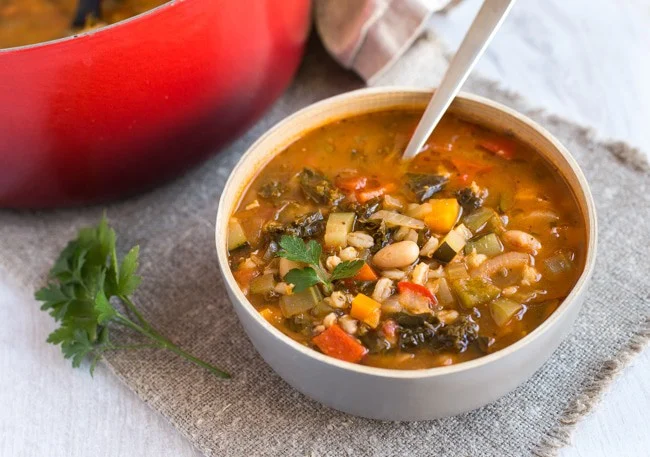
Building a weekly menu with a focus on protein doesn’t have to be complicated. Here are some meal ideas to get you started:
- Chickpea and Quinoa Salad: Toss cooked quinoa, chickpeas, cherry tomatoes, cucumber, and a lemon-tahini dressing for a refreshing, protein-packed lunch.
- Lentil Shepherd’s Pie: Layer seasoned lentils and vegetables under mashed potatoes for a comforting dinner option.
- Tofu Stir-Fry: Sauté tofu cubes with broccoli, bell peppers, and snap peas in a ginger-soy sauce. Serve over brown rice or noodles.
- Black Bean Burrito Bowls: Combine black beans, brown rice, corn, salsa, and avocado for a customizable bowl.
- Edamame Hummus Wraps: Spread edamame hummus on whole grain wraps and fill with shredded carrots, spinach, and bell peppers.
For more budget-friendly ideas, explore cheap plant based meals that don’t compromise on protein or flavor.
Tips for Balancing Nutrition in Plant-Based Meal Prep
While protein is a key focus, a balanced plant-based diet should also include healthy fats, complex carbohydrates, and a variety of vitamins and minerals. Here are some tips to ensure your meal prep covers all bases:
- Combine Protein and Fiber: Pair beans or lentils with whole grains and vegetables for meals that keep you full longer.
- Don’t Forget Healthy Fats: Add avocado, nuts, seeds, or olive oil to meals for essential fatty acids and improved nutrient absorption.
- Rotate Your Greens: Use a variety of leafy greens and colorful vegetables to maximize micronutrient intake.
- Plan for Snacks: Include protein-rich snacks like roasted chickpeas or nut butter with fruit to maintain energy between meals.
- Stay Hydrated: Drink plenty of water and include hydrating foods like cucumbers and citrus fruits.
For those new to plant-based eating, following an easy vegan meal plan can help you get started with balanced, protein-rich options.
Common Mistakes to Avoid in High Protein Plant-Based Meal Prep
Even with the best intentions, some common pitfalls can hinder your progress. Here’s what to watch out for:
- Relying on Processed Foods: While convenient, processed vegan products can be high in sodium and low in nutrients. Focus on whole food sources of protein.
- Not Varying Protein Sources: Eating the same protein every day can lead to nutrient gaps. Mix up your beans, grains, and soy products for a wider nutrient profile.
- Skipping Meal Planning: Without a plan, it’s easy to fall short on protein or other nutrients. Take time each week to outline your meals and snacks.
- Ignoring Portion Sizes: Even healthy foods can lead to imbalances if portions aren’t considered. Use measuring cups or a kitchen scale for accuracy.
For hearty, filling options that are perfect for dinner, check out hearty vegan meals that keep you satisfied.
Frequently Asked Questions
How Much Protein Do I Need on a Plant-Based Diet?
Protein needs vary by age, activity level, and individual goals. Most adults require about 0.8 grams of protein per kilogram of body weight, but athletes or those with higher activity levels may need more. By including a variety of protein sources in your meal prep, you can easily meet your daily requirements.
Can I Build Muscle with Plant-Based Meal Prep?
Absolutely. Many athletes and fitness enthusiasts thrive on plant-based diets. The key is to ensure your meals are rich in protein, calories, and a mix of amino acids. Incorporate foods like tofu, tempeh, lentils, and quinoa, and adjust portion sizes to support your training goals.
What Are the Best Quick Protein Options for Busy Days?
For fast, protein-rich meals, keep canned beans, pre-cooked lentils, tofu, and frozen edamame on hand. Toss them into salads, wraps, or grain bowls for a meal that comes together in minutes. Roasted chickpeas and nut-based energy balls also make excellent grab-and-go snacks.
Conclusion
With the right approach, plant based meal prep high protein routines can be simple, delicious, and deeply nourishing. By planning ahead, varying your protein sources, and balancing your meals, you’ll enjoy the benefits of a healthy, sustainable diet. For more inspiration, explore popular plant based dishes from around the world and discover new flavors to add to your weekly rotation.