
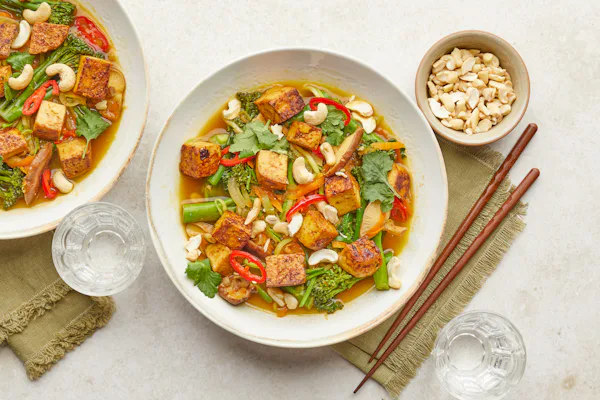
Building a nourishing meal doesn’t have to be complicated. Vegan grain bowl recipes offer a simple, flexible way to enjoy a variety of whole grains, plant-based proteins, and colorful vegetables in one satisfying dish. Whether you’re new to plant-based eating or looking to add more variety to your routine, these bowls make it easy to create balanced, flavorful meals that keep you energized throughout the day.
Each bowl can be customized to suit your taste preferences, dietary needs, and what’s in your pantry. By combining grains like quinoa, brown rice, or farro with legumes, roasted or raw veggies, and a tasty dressing, you get a meal that’s rich in fiber, protein, and essential nutrients. If you’re interested in more ways to incorporate plant-based meals into your week, explore these best plant based recipes for inspiration.
Why Choose Plant-Based Grain Bowls?
Grain bowls are more than just a trend—they’re a practical way to enjoy a variety of nutrients in one meal. Here’s why they’re a great choice for anyone seeking a balanced, plant-based diet:
- Versatility: Mix and match grains, proteins, and vegetables based on what you have available.
- Nutrition: Whole grains provide complex carbohydrates and fiber, while legumes and seeds add protein and healthy fats.
- Meal Prep Friendly: Prepare components in advance for quick assembly during busy weekdays.
- Customizable: Easily adapt to dietary needs, allergies, or flavor preferences.
Essential Components of a Balanced Vegan Bowl
To create a satisfying and nutritious bowl, aim to include the following elements:
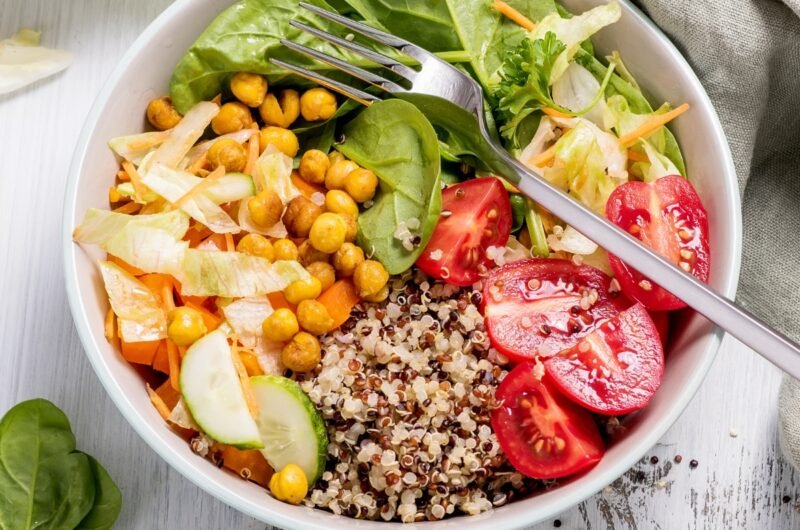
- Whole Grains: Choose from quinoa, brown rice, farro, barley, or millet. These grains provide lasting energy and a hearty base.
- Plant Proteins: Add chickpeas, black beans, lentils, tofu, tempeh, or edamame for protein and texture.
- Vegetables: Use a mix of raw and cooked veggies for color, crunch, and nutrients. Think roasted sweet potatoes, steamed broccoli, shredded carrots, or leafy greens.
- Healthy Fats: Top with avocado slices, nuts, or seeds for extra flavor and satiety.
- Dressing or Sauce: A flavorful sauce ties everything together. Try tahini, lemon-tahini, peanut, or a simple vinaigrette.
Popular Vegan Grain Bowl Ideas
There are endless ways to build a delicious bowl. Here are a few ideas to get you started:
- Mediterranean Bowl: Quinoa, roasted eggplant, cherry tomatoes, cucumber, chickpeas, olives, and a lemon-tahini dressing.
- Southwest Bowl: Brown rice, black beans, corn, avocado, salsa, and crunchy romaine, finished with a lime-cilantro sauce.
- Asian-Inspired Bowl: Farro or brown rice, steamed edamame, shredded carrots, red cabbage, tofu, and a ginger-soy dressing.
- Harvest Bowl: Wild rice, roasted sweet potatoes, kale, cranberries, pumpkin seeds, and a maple-mustard vinaigrette.
Step-by-Step: Building Your Own Vegan Grain Bowl
Making your own bowl at home is simple. Follow these steps to create a meal that’s both balanced and satisfying:
- Pick a Grain: Cook your favorite whole grain according to package instructions. Let it cool slightly before assembling.
- Add Protein: Choose a plant-based protein source. If using canned beans, rinse and drain them. For tofu or tempeh, try marinating and pan-searing for extra flavor.
- Layer Vegetables: Use a combination of raw and cooked veggies. Roasting brings out sweetness, while fresh greens add crunch.
- Include Healthy Fats: Sprinkle with nuts, seeds, or add sliced avocado.
- Drizzle with Sauce: Finish with a homemade or store-bought vegan dressing.
Tips for Meal Prep and Storage
Preparing components ahead of time makes it easy to assemble bowls throughout the week. Here’s how to streamline your meal prep:
- Cook grains in bulk and store in airtight containers in the fridge for up to 5 days.
- Roast or steam a variety of vegetables and keep them ready for quick assembly.
- Batch-cook beans or lentils, or use canned options for convenience.
- Store dressings separately and add just before serving to keep ingredients fresh.
- Mix and match different combinations to keep meals interesting all week long.
Nutrition Benefits of Vegan Bowls
These bowls are packed with nutrients that support overall health. Whole grains provide sustained energy and fiber for digestion. Plant-based proteins like beans and tofu offer essential amino acids. Vegetables supply vitamins, minerals, and antioxidants. Healthy fats from seeds and avocado help with nutrient absorption and keep you feeling full.
For more quick and wholesome ideas, check out these easy plant based recipes that are perfect for busy days.
Creative Toppings and Flavor Boosters
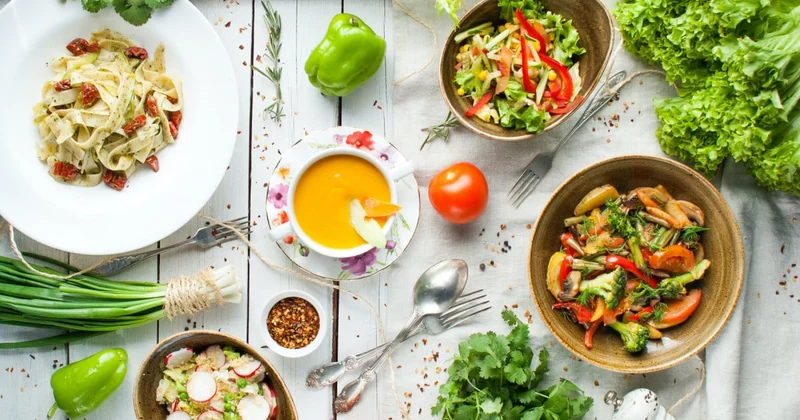
Elevate your bowl with extra toppings and seasonings. Try these ideas for added crunch and flavor:
- Pickled onions or radishes for tanginess
- Fresh herbs like cilantro, parsley, or basil
- Sprouted seeds or microgreens
- Toasted sesame seeds or hemp hearts
- Chili flakes or sriracha for heat
- Lemon or lime wedges for brightness
Finding More Inspiration for Vegan Bowls
There’s no shortage of creative ideas for plant-based bowls. For more inspiration, explore the recipes and nutrition tips at Plant Based RD Blog, which features a wide range of colorful, nutrient-rich meals.
You can also experiment with global flavors by adding spices, sauces, and unique ingredients from different cuisines. Don’t be afraid to try new combinations—sometimes the most unexpected pairings become favorites.
Frequently Asked Questions
What are the best grains to use in a vegan bowl?
Some of the most popular options include quinoa, brown rice, farro, barley, and millet. Each grain offers a unique texture and nutritional profile, so feel free to rotate them for variety.
How can I add more protein to my plant-based bowls?
Incorporate legumes like chickpeas, black beans, or lentils. Tofu, tempeh, and edamame are also excellent sources of plant protein. You can also sprinkle hemp seeds or chopped nuts for an extra boost.
Are these bowls suitable for meal prep?
Absolutely. Prepare grains, proteins, and vegetables in advance and store them separately. Assemble your bowl just before eating and add dressing at the last minute to keep everything fresh.
Conclusion
Creating balanced, plant-based bowls is a practical way to enjoy a variety of flavors and nutrients in every meal. With endless combinations and easy meal prep, these dishes fit seamlessly into any lifestyle. For more quick ideas, explore quick plant based recipes that can be ready in 30 minutes or less.