
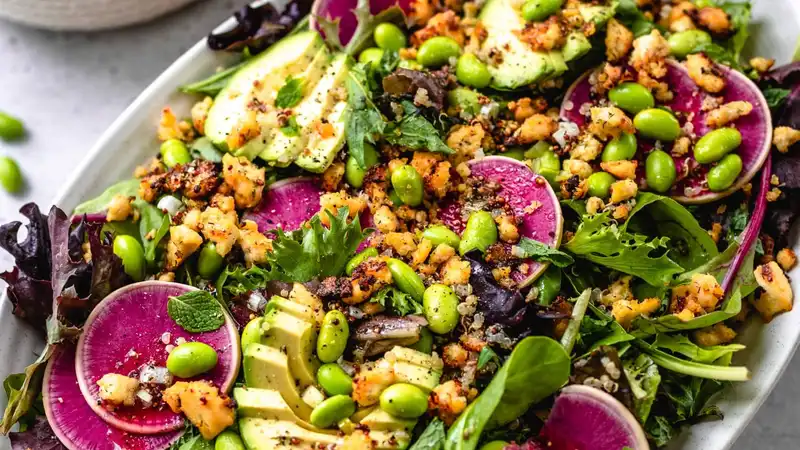
Adopting a plant based diet for beginners can feel overwhelming at first, but with the right guidance, it becomes a rewarding and sustainable lifestyle change. This approach focuses on eating mostly or entirely foods derived from plants, including vegetables, fruits, whole grains, legumes, nuts, and seeds. Whether your goal is to improve health, support the environment, or explore new flavors, this resource will help you get started with confidence.
In this article, you’ll find practical tips for transitioning to a plant-forward way of eating, a breakdown of essential nutrients, easy meal ideas, and answers to common questions. If you’re looking for more inspiration, check out these plant based bowl recipes for healthy meals that are both satisfying and simple to prepare.
What Is a Plant-Focused Diet?
A plant-forward eating pattern emphasizes foods from plant sources while minimizing or eliminating animal products. Unlike strict veganism, some individuals may still include small amounts of animal-derived foods, but the foundation of every meal is built around plants. This approach is flexible and can be tailored to fit your personal preferences and nutritional needs.
The core of this lifestyle includes:
- Vegetables and leafy greens
- Fruits of all kinds
- Whole grains like oats, brown rice, quinoa, and barley
- Legumes such as beans, lentils, and chickpeas
- Nuts and seeds
Benefits of Starting a Plant-Based Journey
Many people are drawn to a plant-forward approach for its potential health benefits. Research suggests that eating more plants can help lower the risk of chronic diseases, support a healthy weight, and improve digestion. Here are some key advantages:
- Heart health: Diets rich in fiber, antioxidants, and healthy fats from plants can reduce cholesterol and blood pressure.
- Weight management: Plant foods are generally lower in calories and higher in fiber, helping you feel full longer.
- Environmental impact: Reducing animal product consumption lowers your carbon footprint and conserves resources.
- Digestive wellness: High-fiber foods promote gut health and regularity.
For more delicious ideas, explore these best vegan recipes 2026 that showcase the variety and flavor possible with plant-based ingredients.
Getting Started: Tips for Beginners
Transitioning to a plant-centric lifestyle doesn’t have to happen overnight. Here are some practical steps to make the process easier:
- Start slow: Begin by adding more vegetables and plant proteins to your meals. Try “Meatless Mondays” or swap out dairy for plant-based alternatives.
- Plan your meals: Take time each week to plan simple, balanced dishes. Batch cooking and prepping ingredients ahead can save time and reduce stress.
- Stock your pantry: Keep staples like beans, lentils, whole grains, and nuts on hand for quick meals.
- Experiment with flavors: Use herbs, spices, and sauces to make plant-based dishes exciting and satisfying.
- Stay inspired: Follow blogs, cookbooks, and social media accounts focused on plant-based eating for new ideas.
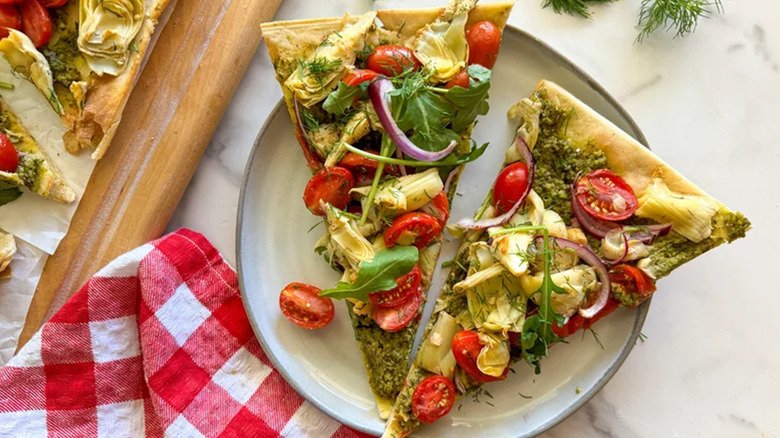
Essential Nutrients in a Plant-Based Diet for Beginners
When shifting to a plant-powered way of eating, it’s important to ensure you’re meeting all your nutritional needs. Here are some nutrients to pay attention to:
- Protein: Beans, lentils, tofu, tempeh, quinoa, and nuts are excellent sources.
- Iron: Found in lentils, spinach, pumpkin seeds, and fortified cereals. Pair with vitamin C-rich foods to boost absorption.
- Calcium: Choose fortified plant milks, leafy greens, and tofu set with calcium sulfate.
- Vitamin B12: Since this vitamin is not naturally found in plants, look for fortified foods or consider a supplement.
- Omega-3 fatty acids: Flaxseeds, chia seeds, hemp seeds, and walnuts are great plant sources.
- Zinc: Beans, nuts, seeds, and whole grains provide this important mineral.
- Vitamin D: Get safe sun exposure or choose fortified foods, especially in winter months.
For cozy meal ideas that are nutrient-rich, try these vegan soup recipes for comfort and warmth.
Simple Meal Ideas for a Plant-Forward Lifestyle
Building meals around plants is easier than you might think. Here are some beginner-friendly ideas to get you started:
- Breakfast: Oatmeal with berries and nuts, chia pudding, or whole grain toast with avocado.
- Lunch: Grain bowls with roasted veggies, beans, and a tahini dressing; hearty salads with chickpeas; or veggie wraps.
- Dinner: Stir-fries with tofu and a variety of vegetables, lentil stews, or pasta with tomato sauce and spinach.
- Snacks: Hummus with carrot sticks, fruit, or trail mix with seeds and dried fruit.
For more inspiration, you can find healthy plant-based dinner recipes that are both light and satisfying.
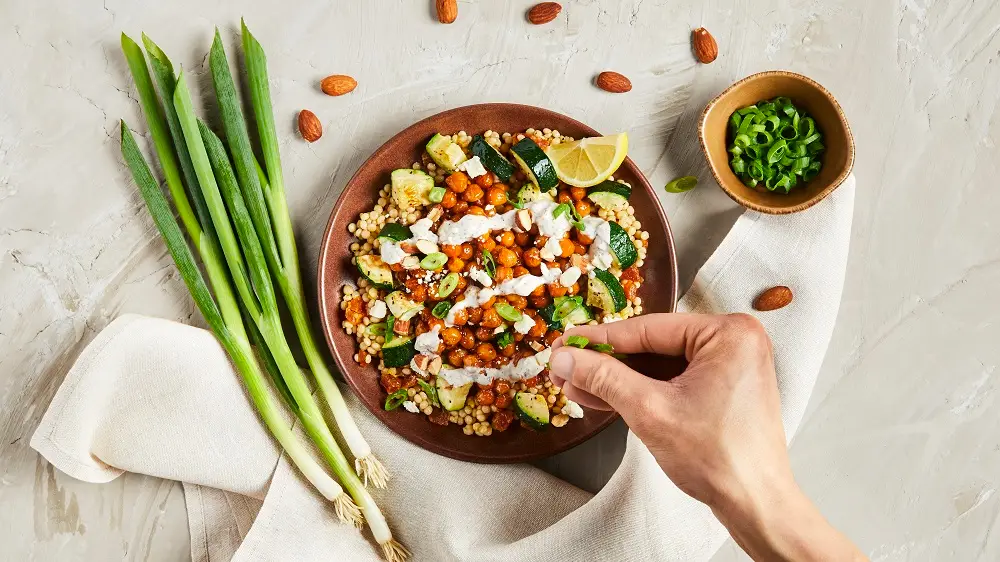
Common Challenges and How to Overcome Them
Starting a new way of eating can come with obstacles. Here are some common challenges and strategies to address them:
- Cravings for animal products: Satisfy cravings with plant-based versions of your favorite dishes, like veggie burgers or dairy-free cheese.
- Eating out: Many restaurants now offer plant-based options. Don’t hesitate to ask for modifications or check menus online in advance.
- Social situations: Bring a dish to share at gatherings or suggest restaurants with plant-friendly menus.
- Time constraints: Prepare meals in batches, use frozen vegetables, and keep quick-cooking grains on hand.
If you want to explore more creative options, try these vegan ramen recipes for flavor-packed bowls that are easy to customize.
Frequently Asked Questions
Is a Plant-Based Diet Expensive?
Not necessarily. Staples like beans, lentils, rice, and seasonal produce are often affordable. Planning meals and buying in bulk can help keep costs down. Specialty items and processed alternatives may be pricier, but they’re not essential for a healthy plant-based lifestyle.
How Can I Make Sure I Get Enough Protein?
There are plenty of protein-rich plant foods, including lentils, chickpeas, tofu, tempeh, quinoa, and nuts. Including a variety of these in your meals will help you meet your protein needs without relying on animal products.
Will I Miss Out on Important Nutrients?
With thoughtful planning, a plant-based approach can provide all the nutrients your body needs. Pay attention to vitamin B12, iron, calcium, and omega-3s, and consider fortified foods or supplements as needed.
Final Thoughts on Embracing a Plant-Based Lifestyle
Shifting to a plant-forward way of eating is a journey, not a destination. Start with small changes, explore new recipes, and listen to your body’s needs. With time, you’ll discover a wide range of flavors, improved well-being, and a positive impact on the planet. For more meal ideas and trending options, don’t miss these trending vegan meals you need to try.