
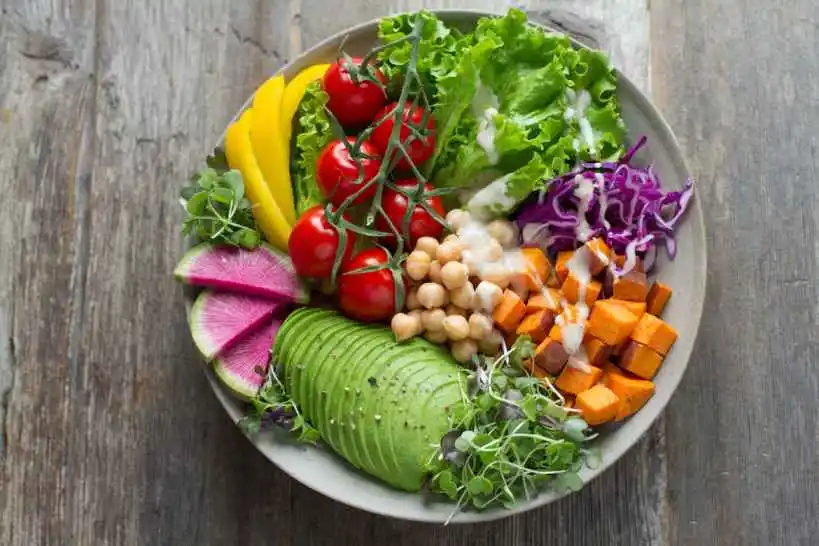
Stir fry dishes are a reliable solution for anyone seeking quick, nutritious, and satisfying meals. With the right combination of vegetables, plant-based proteins, and flavorful sauces, you can prepare a wholesome dinner in under 30 minutes. Embracing a plant based stir fry approach not only supports a healthy lifestyle but also offers endless variety for weeknight dinners or meal prep.
Whether you’re new to plant-forward cooking or looking to expand your repertoire, these fast and flexible stir fry ideas will help you get dinner on the table with minimal fuss. For more inspiration on meatless meals, you might enjoy exploring the best plant based recipes collection, which features a range of creative and delicious options.
Why Choose Plant-Based Stir Fry for Quick Meals?
Choosing a plant based stir fry for your next meal offers several practical benefits. These dishes are naturally fast to prepare, as most vegetables cook quickly over high heat. They are also highly adaptable, allowing you to use whatever produce or pantry staples you have on hand. Stir fries are a great way to incorporate more fiber, vitamins, and minerals into your diet, and they can easily be made gluten-free or soy-free if needed.
Another advantage is the minimal cleanup. Since everything cooks in a single pan or wok, you spend less time washing dishes and more time enjoying your meal. If you’re looking for more ways to simplify your weeknight routine, check out these easy plant based recipes for quick everyday meals.
Essential Ingredients for Flavorful Veggie Stir Fries
The key to a successful plant-powered stir fry is balancing texture, color, and taste. Here are some staple ingredients to keep on hand:
- Fresh Vegetables: Broccoli, bell peppers, snap peas, carrots, mushrooms, and leafy greens like bok choy or spinach.
- Plant-Based Proteins: Tofu, tempeh, edamame, chickpeas, or seitan add heartiness and protein.
- Sauces and Aromatics: Garlic, ginger, soy sauce or tamari, sesame oil, chili paste, and rice vinegar create depth and umami.
- Whole Grains: Serve your stir fry over brown rice, quinoa, or rice noodles for a complete meal.
- Toppings: Toasted sesame seeds, chopped scallions, or fresh herbs for extra flavor and crunch.
Simple Steps to Make a Quick Plant-Based Stir Fry
Preparing a speedy stir fry is straightforward. Here’s a basic method you can adapt to your favorite ingredients:
- Prep Ingredients: Chop all vegetables and proteins into bite-sized pieces for even cooking.
- Heat the Pan: Use a large skillet or wok over medium-high heat. Add a splash of oil suitable for high heat, such as avocado or grapeseed oil.
- Sauté Aromatics: Start with garlic, ginger, and onions to build a flavorful base.
- Add Veggies and Protein: Stir fry dense vegetables (like carrots and broccoli) first, then add quicker-cooking items (like bell peppers and leafy greens). Toss in tofu or tempeh and cook until heated through.
- Pour in Sauce: Add your sauce and stir well to coat everything evenly. Let it simmer for a minute or two.
- Serve: Spoon the stir fry over your chosen grain and garnish as desired.
Favorite Plant-Based Stir Fry Combinations
There are countless ways to combine vegetables and sauces for a satisfying meal. Here are some tried-and-true ideas:
- Classic Tofu & Broccoli: Tofu cubes, broccoli florets, red bell pepper, and snap peas in a ginger-soy sauce.
- Spicy Peanut Tempeh: Tempeh, carrots, green beans, and mushrooms tossed in a spicy peanut sauce.
- Miso-Ginger Veggie Mix: Bok choy, shiitake mushrooms, edamame, and shredded cabbage with a miso-ginger glaze.
- Sweet & Sour Chickpea: Chickpeas, pineapple, bell pepper, and onion in a tangy sweet and sour sauce.
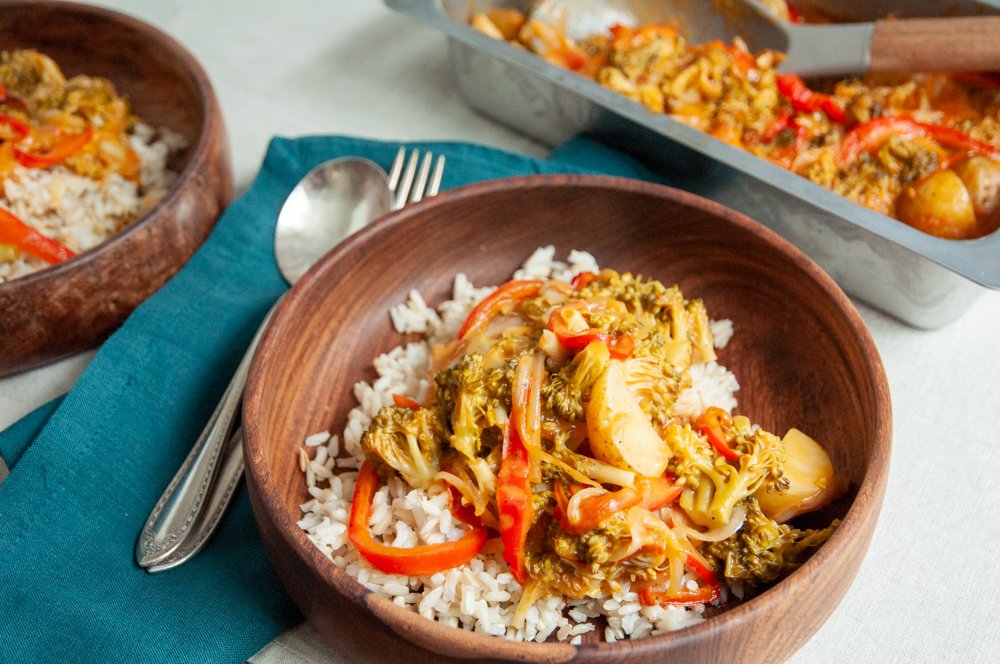
Tips for Customizing Your Veggie Stir Fry
Stir fries are incredibly flexible. Here are some tips to help you make the most of your plant-based creations:
- Mix Up the Veggies: Use whatever is in season or on sale. Frozen vegetables work well in a pinch.
- Try Different Proteins: Swap tofu for tempeh, or add cooked lentils or beans for variety.
- Adjust the Sauce: Experiment with different bases, such as coconut aminos, hoisin, or sriracha for heat.
- Make It Nut-Free: Use sunflower seed butter or tahini in place of peanut sauce if needed.
- Batch Cook: Double the recipe and store leftovers for easy lunches throughout the week.
For even more quick and nutritious ideas, you might want to browse these quick plant based recipes that are ready in 30 minutes or less.
Creative Sauces for Plant-Based Stir Fry Dishes
The sauce can make or break your stir fry. Here are a few easy, plant-based options to try:
- Simple Soy-Ginger: Mix low-sodium soy sauce, grated ginger, garlic, and a splash of maple syrup.
- Spicy Peanut: Blend peanut butter, soy sauce, lime juice, sriracha, and a bit of water for consistency.
- Miso-Tahini: Whisk together white miso, tahini, rice vinegar, and a touch of agave.
- Orange-Sesame: Combine orange juice, sesame oil, tamari, and cornstarch for a sweet glaze.

Serving and Storing Your Stir Fry Meals
Serve your stir fry hot over rice, noodles, or even cauliflower rice for a lighter option. Leftovers keep well in the fridge for up to three days and can be reheated in a skillet or microwave. These meals are perfect for meal prep, as the flavors often deepen after a day or two.
If you’re interested in expanding your plant-based cooking skills, you can find more inspiration in this collection of plant-based diet recipes from a trusted resource.
FAQ: Plant-Based Stir Fry Cooking
What are the best vegetables to use in a plant-based stir fry?
The best vegetables are those that cook quickly and retain some crunch, such as bell peppers, broccoli, snap peas, carrots, mushrooms, and leafy greens. Feel free to mix and match based on what you have available.
How can I add more protein to my stir fry without using meat?
Excellent plant-based protein sources include tofu, tempeh, edamame, chickpeas, and seitan. Adding nuts or seeds as a topping can also boost protein content.
Are plant-based stir fries suitable for meal prep?
Yes, these dishes are ideal for meal prepping. Prepare a large batch, store in airtight containers, and reheat as needed. The flavors often improve after sitting for a day.
Can I make a gluten-free version of a veggie stir fry?
Absolutely. Use tamari or coconut aminos instead of soy sauce, and serve over gluten-free grains like rice or quinoa.
Looking for a sweet finish to your meal? Try these anti-inflammatory desserts for a wholesome treat.