
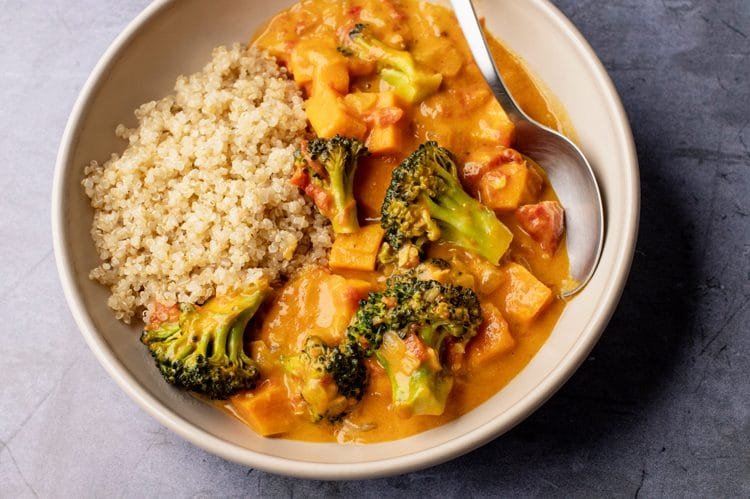
Building a nutritious meal doesn’t have to be complicated or time-consuming. Plant based protein bowls offer a simple, flexible way to enjoy balanced, satisfying dishes that support a healthy lifestyle. These bowls combine a variety of whole foods—such as grains, legumes, vegetables, and flavorful sauces—into a single, colorful meal that’s both filling and nourishing.
Whether you’re new to plant-forward eating or looking to add more variety to your routine, protein-packed bowls are a smart choice. They’re easy to customize, making them suitable for different dietary needs and preferences. For those seeking more inspiration, you might also enjoy exploring plant based bowl recipes for additional ideas and combinations.
Why Choose Protein-Packed Plant Bowls?
There are several reasons why these bowls have become a staple for those seeking wholesome, energizing meals:
- Balanced Nutrition: Combining grains, beans, tofu, or tempeh with fresh vegetables ensures a good mix of protein, fiber, vitamins, and minerals.
- Satiety: The protein and fiber content helps you feel full and satisfied, making these bowls ideal for lunch or dinner.
- Versatility: You can easily adapt the ingredients to suit your taste preferences, dietary restrictions, or what you have on hand.
- Meal Prep Friendly: Many components can be made ahead, allowing for quick assembly during busy weekdays.
If you’re just starting out with plant-forward eating, check out this easy vegan meal plan for beginners to help you get started.
Key Ingredients for High-Protein Vegan Bowls
The foundation of a satisfying plant-powered bowl is a thoughtful combination of ingredients that deliver both flavor and nutrition. Here are some top picks for building your own:
- Whole Grains: Brown rice, quinoa, farro, barley, or millet provide complex carbohydrates and a base for your bowl.
- Legumes: Lentils, chickpeas, black beans, edamame, and kidney beans are excellent sources of plant protein and fiber.
- Tofu & Tempeh: These soy-based proteins are rich in amino acids and can be marinated, baked, or sautéed for added flavor.
- Vegetables: Roasted, steamed, or raw veggies like broccoli, sweet potatoes, kale, spinach, and bell peppers add color and nutrients.
- Healthy Fats: Avocado, nuts, seeds (such as pumpkin, sunflower, or hemp), and tahini-based dressings boost satiety and taste.
- Flavorful Sauces: Dressings made from tahini, miso, citrus, or herbs tie everything together and elevate the meal.
How to Build Your Own Plant Protein Bowl
Creating a delicious bowl is as simple as following a basic formula. Here’s a step-by-step approach:
- Choose Your Base: Start with a cooked grain or leafy greens.
- Add Protein: Top with beans, lentils, tofu, or tempeh for a protein boost.
- Layer on Vegetables: Mix in a variety of cooked or raw veggies for texture and nutrients.
- Include Healthy Fats: Sprinkle on nuts, seeds, or sliced avocado.
- Finish with Sauce: Drizzle with your favorite dressing or a squeeze of lemon for brightness.
For more inspiration, browse these best vegan recipes 2026 to discover new flavor combinations and techniques.

Popular Plant-Based Protein Bowl Combinations
There are endless ways to combine ingredients for a tasty, protein-rich meal. Here are a few tried-and-true combinations to get you started:
- Southwest Bowl: Brown rice, black beans, corn, roasted sweet potatoes, avocado, salsa, and a lime-tahini drizzle.
- Mediterranean Bowl: Quinoa, chickpeas, cucumber, cherry tomatoes, olives, spinach, red onion, and a lemon-herb vinaigrette.
- Asian-Inspired Bowl: Jasmine rice, edamame, sautéed tofu, steamed broccoli, shredded carrots, and a ginger-miso sauce.
- Harvest Bowl: Farro, lentils, roasted Brussels sprouts, butternut squash, kale, pumpkin seeds, and a maple-mustard dressing.
For more cozy and comforting options, try these vegan soup recipes that pair well with protein bowls for a complete meal.
Tips for Maximizing Protein in Vegan Bowls
Getting enough protein on a plant-based diet is easier than many people think. Here are some practical ways to boost the protein content of your bowls:
- Double Up on Legumes: Mix two types of beans or add both lentils and chickpeas for variety and extra protein.
- Use Protein-Rich Grains: Quinoa and farro contain more protein than white rice or couscous.
- Top with Seeds: Hemp, chia, and pumpkin seeds are small but mighty sources of protein and healthy fats.
- Include Soy Foods: Tofu and tempeh are complete proteins and can be marinated for extra flavor.
- Try Protein Powders: Stir a scoop of unflavored plant protein powder into your sauce or dressing for an extra boost.

Meal Prep and Storage Suggestions
One of the biggest advantages of these bowls is how well they lend themselves to meal prep. Here are some tips for preparing ahead:
- Batch Cook Grains and Legumes: Prepare large quantities of rice, quinoa, beans, or lentils at the start of the week and store them in airtight containers.
- Chop Veggies in Advance: Wash and cut vegetables so they’re ready to use throughout the week.
- Make Sauces Ahead: Store dressings and sauces in jars in the fridge for quick assembly.
- Store Components Separately: Keep grains, proteins, veggies, and sauces separate until ready to eat to maintain freshness and texture.
- Assemble When Needed: Combine ingredients just before serving for the best taste and crunch.
If you’re looking for more ideas on how to organize your weekly meals, the easy vegan meal plan is a helpful resource.
Explore More Plant-Based Recipes
For those wanting to expand their repertoire, there are plenty of creative recipes available online. For example, this collection of top plant-based diet recipes offers a range of flavorful options that go beyond the basics, helping you keep your meals exciting and nutritious.
Frequently Asked Questions
What are the best sources of protein for vegan bowls?
Some of the best options include lentils, chickpeas, black beans, edamame, tofu, tempeh, quinoa, and seeds like hemp or pumpkin. Combining several of these in one bowl ensures a balanced amino acid profile.
How can I make my plant-powered bowls more filling?
To increase satiety, focus on adding both protein and fiber-rich ingredients. Use hearty grains, double up on legumes, and include healthy fats such as avocado or nuts. A flavorful sauce can also help make the meal more satisfying.
Are these bowls suitable for meal prep?
Absolutely. Most components can be prepared in advance and stored separately. Assemble your bowl just before eating to preserve texture and freshness. Sauces and dressings can be made ahead and kept in the fridge for up to a week.