
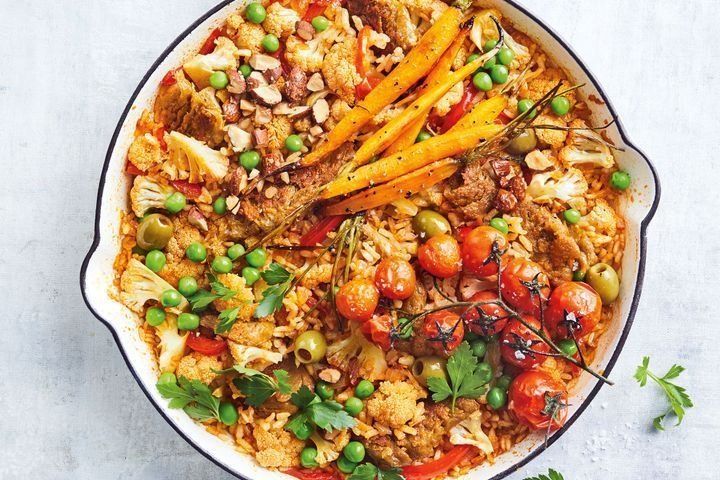
Building nourishing meals around plant-based ingredients is a practical way to boost your health and add variety to your daily routine. Plant based bowl recipes are especially popular for their versatility, vibrant flavors, and the ease with which you can pack in a range of nutrients. Whether you’re looking to incorporate more vegetables, grains, and legumes into your diet or simply want quick, satisfying meal ideas, these bowls offer endless possibilities.
This guide explores how to create balanced, delicious bowls using whole foods, with tips for meal prep, ingredient swaps, and flavor combinations. For those interested in expanding their repertoire, you might also enjoy exploring best vegan recipes 2026 for even more inspiration.
Why Choose Plant-Focused Bowls?
Meals built around grains, beans, and fresh produce are more than just trendy—they’re a smart way to support overall wellness. These bowls are rich in fiber, vitamins, minerals, and plant-based protein, making them filling and energizing. They also allow for easy customization, so you can adjust ingredients to suit your preferences or dietary needs.
Many people find that preparing meals in a bowl format encourages them to eat a wider variety of foods. By mixing and matching different components, you can keep your meals interesting and avoid falling into a food rut. For more comforting ideas, check out these vegan soup recipes that are perfect for cozy nights.
Essential Components of a Balanced Bowl
Crafting a satisfying bowl is all about balance. Here are the key elements to include:
- Whole grains: Brown rice, quinoa, farro, or barley provide a hearty base and lasting energy.
- Plant proteins: Beans, lentils, tofu, tempeh, or edamame add substance and help keep you full.
- Vegetables: Mix raw, roasted, or steamed veggies for color, texture, and nutrients.
- Healthy fats: Avocado, nuts, seeds, or a drizzle of tahini-based dressing boost flavor and satiety.
- Fresh herbs & toppings: Cilantro, parsley, green onions, pickled veggies, or toasted seeds add the finishing touch.
By combining these components, you can create endless variations to keep your meals both nutritious and exciting.
Popular Plant Based Bowl Recipe Ideas
If you’re new to this style of eating, here are a few classic combinations to get you started. Each can be adapted based on what you have available or your taste preferences.
- Buddha Bowl: A colorful mix of quinoa, chickpeas, roasted sweet potatoes, kale, carrots, and a lemon-tahini dressing.
- Mexican-Inspired Bowl: Brown rice, black beans, grilled corn, tomatoes, avocado, and a squeeze of lime, topped with salsa or a creamy cashew sauce.
- Mediterranean Bowl: Farro or couscous, falafel or baked tofu, cucumber, cherry tomatoes, olives, and a dollop of hummus.
- Asian-Inspired Bowl: Jasmine rice, edamame, sautéed mushrooms, shredded cabbage, carrots, and a ginger-soy vinaigrette.
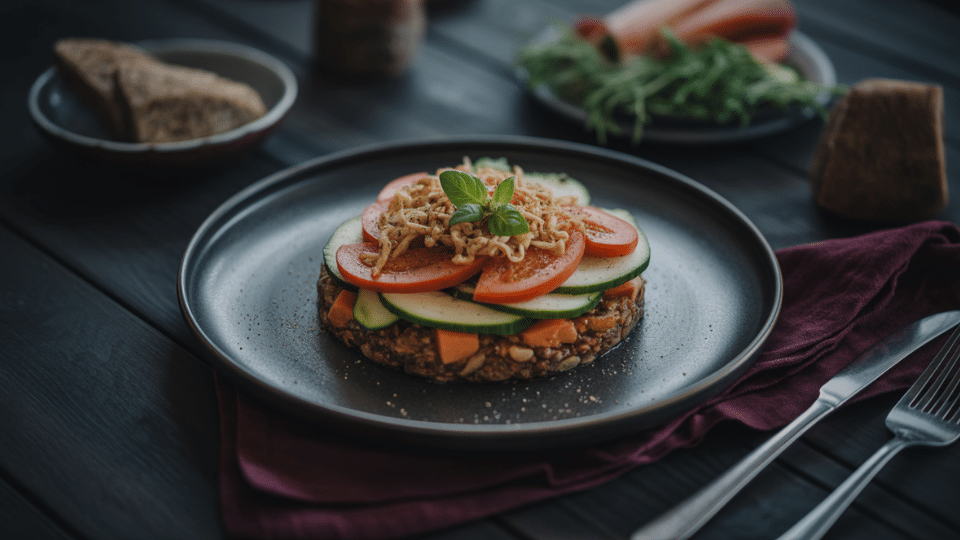
Tips for Building Flavorful Bowls
The secret to a memorable bowl is in the layering of flavors and textures. Here are some tips to elevate your next meal:
- Roast your vegetables for deeper flavor and caramelization.
- Use a variety of textures: Combine creamy elements (like avocado or hummus) with crunchy toppings (such as seeds or crispy chickpeas).
- Don’t skip the sauce: A good dressing ties everything together. Try tahini-lemon, spicy peanut, or herbed yogurt sauces.
- Season as you go: Taste and adjust salt, acid, and spice at each step.
If you’re looking for even more creative ideas, explore these trending vegan meals that are making waves this year.
Meal Prep Strategies for Plant-Based Bowls
One of the biggest advantages of bowl meals is how well they lend themselves to meal prep. Here’s how to streamline your week:
- Batch cook grains and proteins at the start of the week.
- Chop or roast a variety of vegetables and store them in airtight containers.
- Prepare a few sauces or dressings to keep on hand for quick assembly.
- Mix and match components each day to create new flavor combinations and avoid boredom.
For more inspiration on prepping ahead, you can find creative ideas at this plant-based recipe blog.
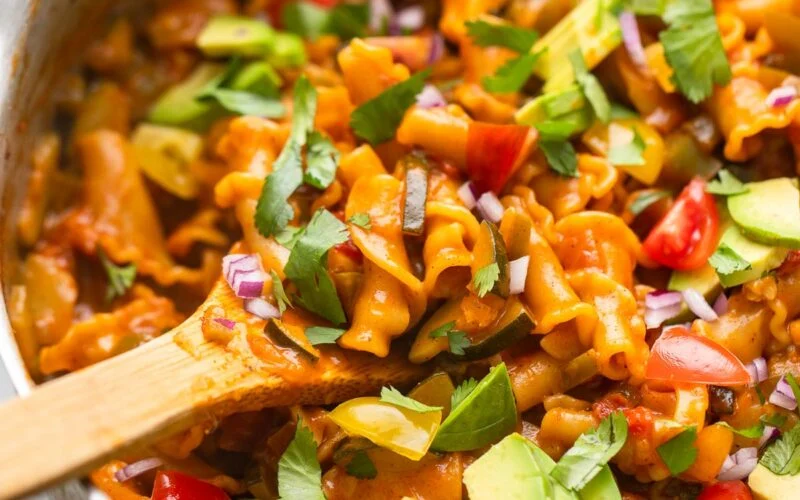
Creative Variations for Every Season
The beauty of these meals is their adaptability. Here are some seasonal ideas to keep your menu fresh:
- Spring: Asparagus, peas, radishes, and lemony vinaigrettes.
- Summer: Grilled zucchini, cherry tomatoes, corn, and fresh basil.
- Fall: Roasted squash, Brussels sprouts, apples, and maple-mustard dressing.
- Winter: Steamed broccoli, roasted root vegetables, and hearty grains like farro or barley.
For even more inspiration, see these viral vegan recipes that are currently popular among plant-based eaters.
Frequently Asked Questions
What are the best grains to use in plant-forward bowls?
Some of the most popular grains include brown rice, quinoa, farro, barley, and bulgur. Each offers a different texture and nutritional profile, so feel free to experiment to find your favorite. Gluten-free options like millet or buckwheat also work well.
How can I add more protein to my plant-based bowls?
Incorporate ingredients such as lentils, chickpeas, black beans, tofu, tempeh, or edamame. You can also sprinkle on hemp seeds, pumpkin seeds, or chopped nuts for an extra protein boost.
Are these bowls suitable for meal prep?
Absolutely. Most components can be cooked in advance and stored separately in the fridge. When ready to eat, simply assemble your bowl and add any fresh toppings or dressings. This approach saves time and ensures you have healthy options ready throughout the week.
Where can I find more ideas for plant-based meals?
For a wide range of creative, nutritious recipes, check out these tiktok plant based recipes that are trending online.