
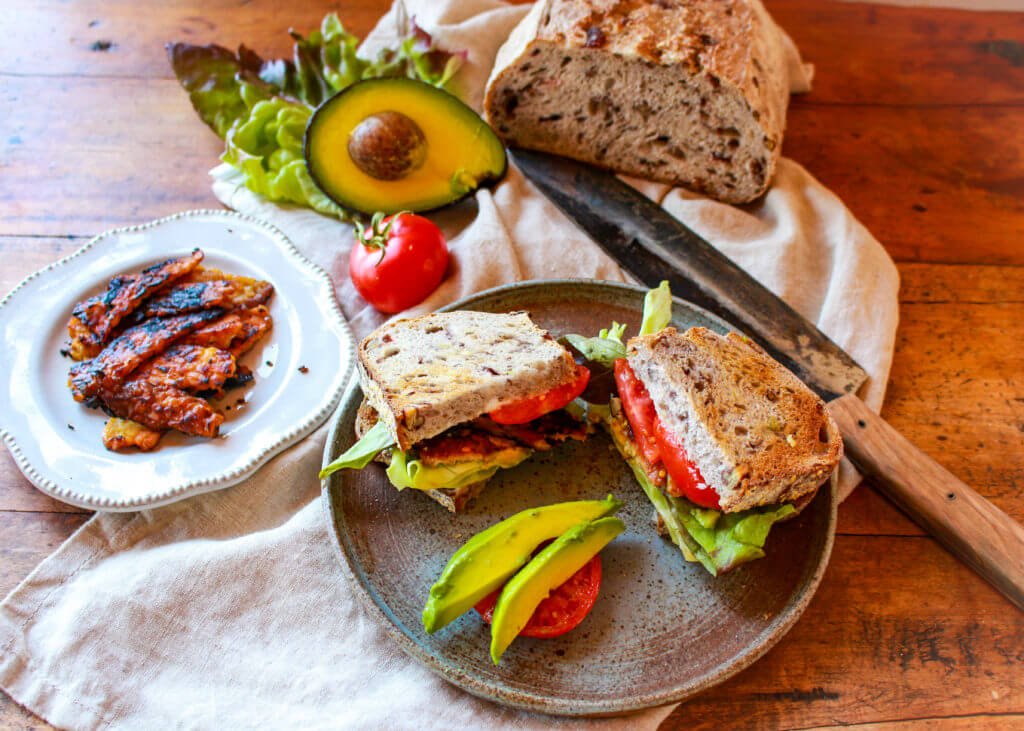
Building muscle and supporting athletic performance on a plant-forward diet is not only possible—it’s increasingly popular among athletes and fitness enthusiasts. With the right approach, plant based bodybuilding meals can deliver the protein, nutrients, and energy needed for muscle growth and recovery. This guide explores how to structure effective meals, highlights key ingredients, and offers practical tips for maximizing gains while eating plant-based.
Whether you’re new to plant-powered eating or looking to optimize your current routine, you’ll find strategies here to help you reach your goals. For those seeking more meal inspiration, check out our easy vegan meal plan for a week’s worth of simple, balanced recipes.
Key Principles for Building Muscle on a Plant-Based Diet
To support muscle growth, it’s essential to focus on three main factors: adequate protein intake, calorie sufficiency, and nutrient diversity. While animal products are often seen as the gold standard for protein, a well-planned plant-based approach can provide all the essential amino acids needed for muscle repair and growth.
- Prioritize protein-rich foods: Beans, lentils, tofu, tempeh, seitan, edamame, and plant-based protein powders are excellent sources.
- Eat enough calories: Muscle building requires a calorie surplus. Whole grains, nuts, seeds, and starchy vegetables help meet energy needs.
- Include a variety of foods: Diverse meals ensure you get all essential vitamins, minerals, and phytonutrients for optimal recovery and health.
Essential Ingredients for High-Protein Plant Meals
Creating effective plant based bodybuilding meals starts with choosing the right ingredients. Here are some staples to include in your weekly meal prep:
- Legumes: Lentils, chickpeas, black beans, and kidney beans are protein-dense and versatile.
- Soy products: Tofu and tempeh offer complete proteins and adapt to many flavors and cuisines.
- Whole grains: Quinoa, brown rice, oats, and farro provide both protein and complex carbs for sustained energy.
- Nuts and seeds: Almonds, peanuts, chia, hemp, and pumpkin seeds boost protein and healthy fats.
- Seitan: Made from wheat gluten, seitan is one of the highest plant-based protein sources.
- Plant-based protein powders: Pea, rice, or soy protein powders can supplement meals and shakes.
Sample Meal Ideas for Muscle Growth
Planning your meals around high-protein, nutrient-rich foods ensures you’re fueling your body for performance and recovery. Below are some practical meal ideas to help you get started:

- Breakfast: Tofu scramble with spinach, peppers, and black beans served on whole grain toast.
- Lunch: Quinoa salad with chickpeas, roasted sweet potato, kale, pumpkin seeds, and tahini dressing.
- Dinner: Lentil and vegetable curry over brown rice, topped with fresh cilantro and a squeeze of lime.
- Snacks: Roasted edamame, homemade protein bars with oats and peanut butter, or a smoothie with pea protein, berries, and almond milk.
For more inspiration, our plant based bowl recipes offer creative ways to combine grains, legumes, and vegetables for balanced, satisfying meals.
Meal Prep Strategies for Consistent Nutrition
Consistency is key when aiming for muscle gains. Preparing meals in advance helps ensure you’re meeting your protein and calorie targets every day. Here are some practical meal prep tips:
- Batch cook proteins: Prepare large portions of lentils, beans, tofu, or tempeh at the start of the week.
- Pre-portion grains: Cook and store brown rice, quinoa, or farro in containers for easy meal assembly.
- Chop and store veggies: Keep a variety of chopped vegetables on hand for quick stir-fries, salads, or wraps.
- Use sauces and dressings: Flavorful sauces like tahini, peanut, or salsa verde can make simple meals exciting and boost calorie intake.
- Plan snacks: Have protein-rich snacks ready, such as hummus with veggies, trail mix, or protein shakes.
Balancing Macros and Micronutrients
While protein is a major focus, don’t overlook the importance of carbohydrates, fats, and micronutrients. Carbs fuel your workouts and aid recovery, while healthy fats support hormone production and overall health.
- Carbohydrates: Include whole grains, starchy vegetables, and fruits for sustained energy.
- Healthy fats: Avocado, nuts, seeds, and olive oil provide essential fatty acids and help absorb fat-soluble vitamins.
- Micronutrients: Pay attention to vitamin B12, iron, calcium, zinc, and omega-3s. Consider fortified foods or supplements if needed.
For more ideas on nutrient-rich dishes, explore our best vegan recipes 2026 collection.
High-Protein Plant-Based Dinner Example
One of the most satisfying ways to end the day is with a hearty, protein-packed dinner. Sheet pan meals, stir-fries, and curries are all excellent options for maximizing nutrition and flavor.
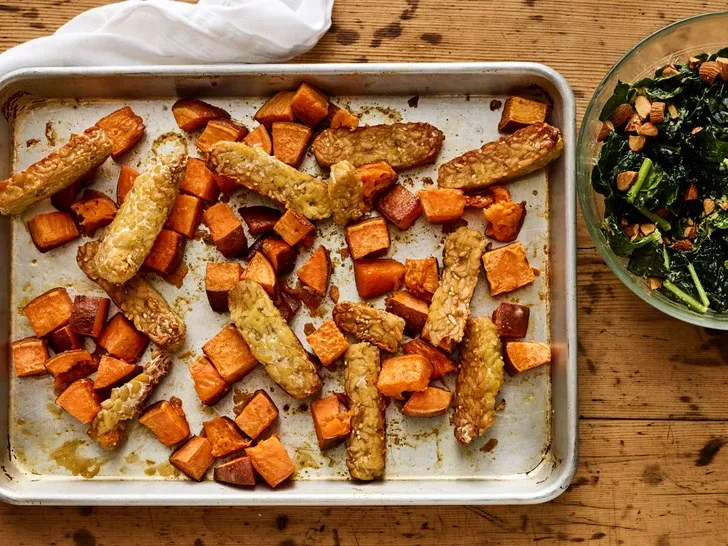
For example, try a sheet pan dinner with tempeh, sweet potatoes, broccoli, and bell peppers tossed in olive oil and spices. Roast until golden and serve with a side of quinoa or brown rice. This combination delivers a balance of protein, complex carbs, and micronutrients to support muscle recovery.
Tips for Maximizing Muscle Gains with Plant-Based Meals
- Eat regularly: Aim for 4–6 meals and snacks per day to provide a steady stream of nutrients.
- Combine protein sources: Mixing different plant proteins throughout the day ensures a complete amino acid profile.
- Track your intake: Use a nutrition app to monitor protein, calories, and micronutrients, adjusting as needed.
- Stay hydrated: Water supports digestion, nutrient absorption, and muscle function.
- Listen to your body: Adjust portion sizes and food choices based on your energy levels, recovery, and progress.
If you’re looking for even more meal ideas, the collection of easy, healthy vegan meal recipes from the British Heart Foundation is a great resource for both variety and nutrition.
Frequently Asked Questions
How much protein do I need for muscle building on a plant-based diet?
Most active individuals aiming for muscle growth should target around 1.6–2.2 grams of protein per kilogram of body weight daily. This can be achieved through a combination of legumes, soy products, whole grains, nuts, seeds, and, if needed, plant-based protein supplements.
What are the best plant-based protein sources for athletes?
Some of the top choices include lentils, chickpeas, black beans, tofu, tempeh, seitan, quinoa, edamame, and hemp seeds. Combining a variety of these foods throughout the day ensures you get all essential amino acids.
Can I build muscle as effectively as on an omnivorous diet?
With careful planning, a plant-based approach can be just as effective for muscle building as an omnivorous one. Focus on total protein intake, calorie sufficiency, and a diverse range of whole foods to support your training and recovery.
For more cozy and nourishing options, explore our vegan soup recipes and vegan ramen recipes for flavor-packed bowls that fit perfectly into a muscle-building meal plan.