
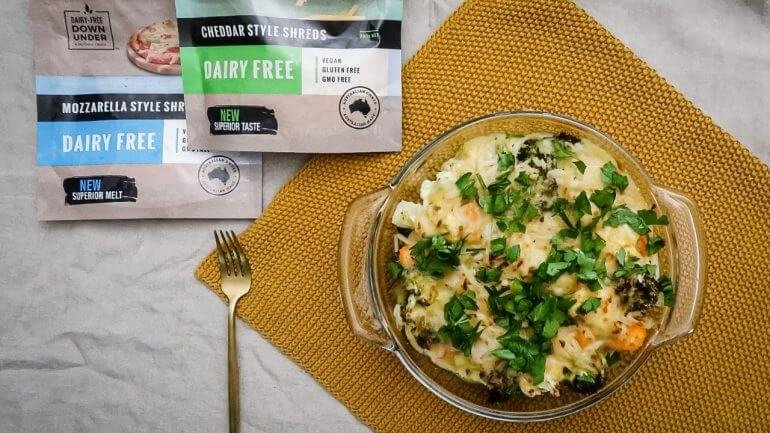
Adopting a plant-based diet can be an effective and sustainable approach to achieving and maintaining a healthy weight. Focusing on low calorie plant based recipes allows you to enjoy filling, flavorful meals while keeping your calorie intake in check. These dishes are rich in fiber, vitamins, and minerals, helping you feel satisfied and energized throughout the day. Whether you’re new to plant-based eating or looking to refresh your meal rotation, this guide offers practical tips, delicious recipe ideas, and answers to common questions about eating for weight loss on a plant-powered plan.
For those just starting out, having an easy vegan meal plan can simplify the transition and make healthy eating more accessible. By planning ahead and choosing nutrient-dense, lower-calorie options, you can enjoy a wide variety of meals that support your wellness goals.
Benefits of Choosing Lower Calorie Plant-Based Meals
Opting for lower calorie plant-based meals offers several advantages beyond just weight management. These meals are typically high in fiber, which helps promote fullness and supports digestive health. They also tend to be lower in saturated fat and cholesterol, contributing to heart health and overall wellness. Additionally, plant-based recipes are often packed with antioxidants and phytonutrients that can help reduce inflammation and support immune function.
Many people find that eating more fruits, vegetables, legumes, and whole grains leads to increased energy levels and improved mood. By focusing on nutrient-dense, low calorie options, you can enjoy generous portions without exceeding your daily calorie needs.
Key Ingredients for Light and Satisfying Plant-Based Dishes
Building delicious, low-calorie meals is simple when you know which ingredients to prioritize. Here are some staples to include in your kitchen:
- Leafy greens (spinach, kale, arugula, romaine): High in nutrients and very low in calories.
- Non-starchy vegetables (broccoli, cauliflower, zucchini, peppers): Add bulk and texture to meals.
- Legumes (lentils, chickpeas, black beans): Provide plant-based protein and fiber.
- Whole grains (quinoa, brown rice, bulgur): Offer sustained energy and satiety.
- Fresh herbs and spices: Enhance flavor without adding calories.
- Low-calorie sauces (salsa, lemon juice, vinegar-based dressings): Brighten dishes while keeping them light.
Combining these ingredients in creative ways ensures your meals are both satisfying and supportive of your weight loss journey.
Breakfast Ideas: Energizing Starts with Fewer Calories
Starting your day with a nourishing, plant-based breakfast can set a positive tone for the rest of your meals. Here are a few ideas to inspire your morning routine:
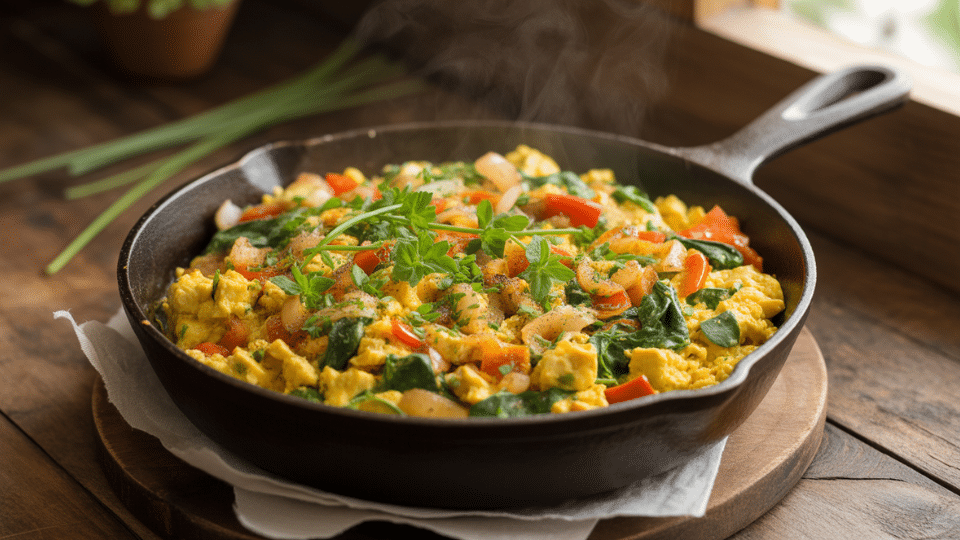
- Tofu scramble with spinach, tomatoes, and bell peppers, served with a side of fruit.
- Overnight oats made with unsweetened almond milk, chia seeds, and fresh berries.
- Green smoothie with kale, cucumber, banana, and a splash of lemon juice.
Lunch and Dinner: Filling Meals That Support Your Goals
Midday and evening meals are important opportunities to enjoy a variety of vegetables, grains, and plant proteins. Here are some satisfying options that keep calories in check:
- Vegetable stir-fry with tofu or tempeh, served over cauliflower rice or brown rice.
- Lentil and vegetable soup with carrots, celery, tomatoes, and spinach.
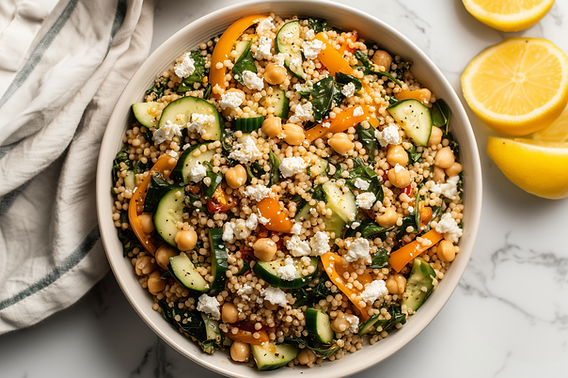
- Chickpea salad with cucumber, cherry tomatoes, red onion, and a lemon-tahini dressing.
- Stuffed bell peppers with quinoa, black beans, corn, and salsa.
For more inspiration, you can explore a wide range of plant-based recipe ideas that focus on wholesome, low-calorie ingredients.
Snack Smarter: Low-Calorie Plant-Based Options
Healthy snacking can help manage hunger between meals and prevent overeating later in the day. Consider these light, plant-based snacks:
- Fresh veggie sticks with hummus or salsa
- Air-popped popcorn with nutritional yeast
- Apple slices with a small amount of almond butter
- Edamame sprinkled with sea salt
- Homemade kale chips
Choosing snacks that are high in fiber and water content helps you feel full while keeping calories low.
Tips for Making Plant-Based Eating Sustainable
Sticking to a low calorie plant-based meal plan is easier when you set yourself up for success. Here are some strategies to help you stay on track:
- Plan your meals and snacks ahead of time to avoid last-minute, less healthy choices.
- Batch cook grains and legumes to save time during busy weekdays.
- Keep your pantry stocked with canned beans, whole grains, and spices for quick meal assembly.
- Experiment with new vegetables and recipes to keep your meals interesting.
- Stay hydrated and listen to your body’s hunger and fullness cues.
If you’re looking for more ways to enjoy affordable, nutritious meals, check out these cheap plant based meals for additional ideas.
Sample Day: Eating for Weight Loss on a Plant-Based Diet
Here’s an example of how a day of eating might look when focusing on lighter, plant-based options:
- Breakfast: Tofu scramble with spinach and tomatoes
- Snack: Sliced cucumber and carrots with hummus
- Lunch: Lentil and vegetable soup with a side salad
- Snack: Fresh fruit or a handful of air-popped popcorn
- Dinner: Stir-fried vegetables with tofu over cauliflower rice
This approach provides plenty of variety, nutrients, and satisfaction while keeping calories in check.
Explore More Plant-Based Inspiration
Discovering new dishes can keep your meals exciting and prevent boredom. For more ideas, browse through collections of popular plant based dishes and best vegan recipes 2026 to find creative takes on classic favorites. If you’re craving something warm and comforting, a variety of vegan soup recipes can be both filling and low in calories.
Frequently Asked Questions
What are the best foods to include in low-calorie plant-based meals?
Focus on vegetables, leafy greens, legumes, and whole grains. These foods are naturally low in calories and high in fiber, which helps you feel full. Avoid processed foods and opt for fresh, whole ingredients whenever possible.
How can I make sure I’m getting enough protein on a plant-based diet?
Include a variety of beans, lentils, tofu, tempeh, and whole grains in your meals. These foods provide ample plant-based protein to support muscle health and satiety. For more ideas, consider using resources like a high protein vegan cookbook.
Are all plant-based recipes suitable for weight loss?
Not necessarily. While many plant-based dishes are naturally lower in calories, some can be high in oils, nuts, or processed ingredients. Pay attention to portion sizes and choose recipes that emphasize vegetables, legumes, and whole grains for the best results.
Can I eat carbs and still lose weight on a plant-based diet?
Yes, carbohydrates from whole food sources like fruits, vegetables, and whole grains are an important part of a balanced diet. The key is to focus on minimally processed carbs and avoid added sugars and refined grains.
Where can I find more recipe ideas?
For a wide selection of creative, healthy dishes, visit this curated plant-based recipe collection for inspiration.