

Preparing freezer friendly vegan meals is a practical way to save time, reduce food waste, and always have nutritious options ready to go. Whether you’re a busy professional, a parent, or simply looking to streamline your weekly meal prep, stocking your freezer with plant-based dishes can make healthy eating much more accessible. Batch cooking not only helps with portion control and budgeting, but it also ensures you have a variety of flavors and nutrients at your fingertips.
In this article, we’ll explore the best strategies for making plant-based dishes that freeze well, offer tips for storage and reheating, and share recipe ideas to inspire your next cooking session. If you’re interested in exploring global flavors, you might also enjoy these Japanese plant based recipes for light meals.
Why Choose Batch Cooking for Plant-Based Diets?
Batch cooking is especially valuable for those following a vegan lifestyle. Preparing meals in advance means you’re less likely to reach for processed foods or takeout when time is tight. It also allows you to control ingredients, ensuring your meals are free from animal products and tailored to your nutritional needs.
Many classic vegan dishes—such as stews, curries, and casseroles—are naturally suited to freezing. By making larger quantities, you can enjoy home-cooked food even on your busiest days. Plus, freezing helps lock in nutrients and flavors, so your meals taste fresh when reheated.
Top Types of Vegan Dishes That Freeze Well
Not every plant-based meal is ideal for the freezer, but several categories work exceptionally well. Here are some of the best options for your next batch cooking session:
- Soups and Stews: Lentil soup, minestrone, and chili are hearty, protein-rich, and maintain their texture after freezing.
- Casseroles: Dishes like vegan lasagna, shepherd’s pie, and enchilada bakes freeze and reheat beautifully.
- Curries: Coconut-based curries, dal, and Thai-inspired vegetable curries retain flavor and consistency.
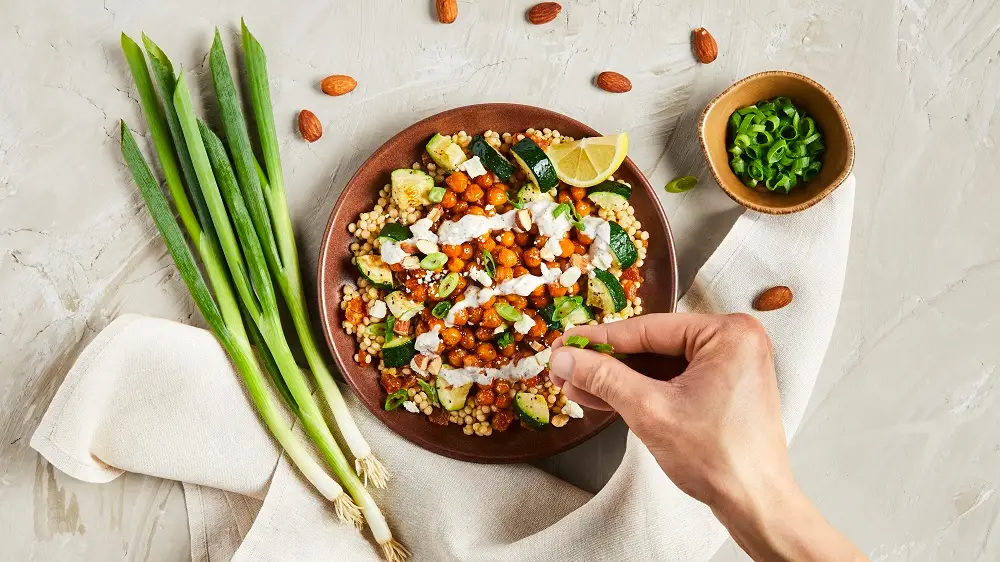
- Grain Bowls: Rice, quinoa, or barley bowls with beans and roasted vegetables are easy to portion and freeze.
- Burgers and Patties: Black bean burgers, lentil patties, and chickpea fritters can be frozen raw or cooked.
Essential Tips for Freezing and Reheating Vegan Meals
To get the best results from your freezer friendly vegan meals, follow these practical tips:
- Cool Before Freezing: Let dishes cool to room temperature before transferring to the freezer. This prevents condensation and ice crystals.
- Use Airtight Containers: Choose BPA-free plastic containers, glass dishes, or reusable silicone bags to prevent freezer burn and preserve flavor.
- Label and Date: Always mark containers with the meal name and date. Most vegan dishes keep well for up to three months.
- Portion Wisely: Freeze meals in single or double servings for easy thawing and reheating.
- Reheat Gently: Thaw overnight in the fridge or use the microwave’s defrost setting. Reheat on the stove or in the oven for best texture.
Recipe Inspiration: Make-Ahead Vegan Dishes for the Freezer
Looking for ideas to fill your freezer? Here are some popular batch-cookable vegan recipes that freeze and reheat well:
- Chickpea and Spinach Curry: A protein-packed dish with warming spices and creamy coconut milk. Serve with rice or naan.
- Lentil Shepherd’s Pie: Hearty lentils and vegetables topped with mashed potatoes. Freeze in individual portions for easy lunches.
- Stuffed Bell Peppers: Filled with quinoa, black beans, corn, and salsa, these peppers are flavorful and satisfying.
- Vegan Chili: Loaded with beans, tomatoes, and spices, this classic is perfect for meal prep and freezes beautifully.
- Vegetable Stir-Fry with Tofu: Blanch veggies before freezing to preserve color and texture. Add sauce and tofu when reheating.
For more globally inspired ideas, check out these Thai plant based recipes for authentic flavor or explore Mexican vegan recipes for spicy favorites.
How to Store and Organize Your Frozen Vegan Meals
Keeping your freezer organized is key to making the most of your batch-cooked meals. Here are a few strategies:
- Stack Containers: Use uniform containers to maximize space and make stacking easy.
- Keep an Inventory: Maintain a list of what’s in your freezer and update it as you add or remove meals.
- First In, First Out: Rotate older meals to the front so they’re used before newer additions.
- Group by Type: Store similar dishes together—soups with soups, casseroles with casseroles—for quick access.
Nutrition and Variety in Frozen Vegan Meal Prep
When planning your batch cooking, aim for a balance of protein, fiber, and healthy fats. Incorporate a mix of beans, lentils, tofu, whole grains, and a rainbow of vegetables. This not only supports your nutritional needs but also keeps meals interesting week after week.
If you’re looking for more inspiration, these Chinese vegan recipes for easy home cooking and Middle Eastern vegan recipes for bold taste can help you add new flavors to your freezer stash.
For additional healthy and light plant-based dinner ideas, you might enjoy this collection of top 10 healthy light plant-based dinners.
Frequently Asked Questions
What are the best containers for freezing vegan meals?
The best options are airtight, freezer-safe containers such as glass dishes with lids, BPA-free plastic containers, or reusable silicone bags. These help prevent freezer burn and keep your meals tasting fresh.
How long can I store plant-based meals in the freezer?
Most vegan dishes can be safely stored for up to three months. For best flavor and texture, try to use them within this timeframe and always label with the date of freezing.
Can I freeze meals with fresh greens or non-dairy milk?
Leafy greens like spinach or kale can become mushy when frozen, so it’s best to add them fresh when reheating. Non-dairy milks, especially those with lower fat content, may separate after freezing but can usually be stirred back together or added fresh during reheating.