
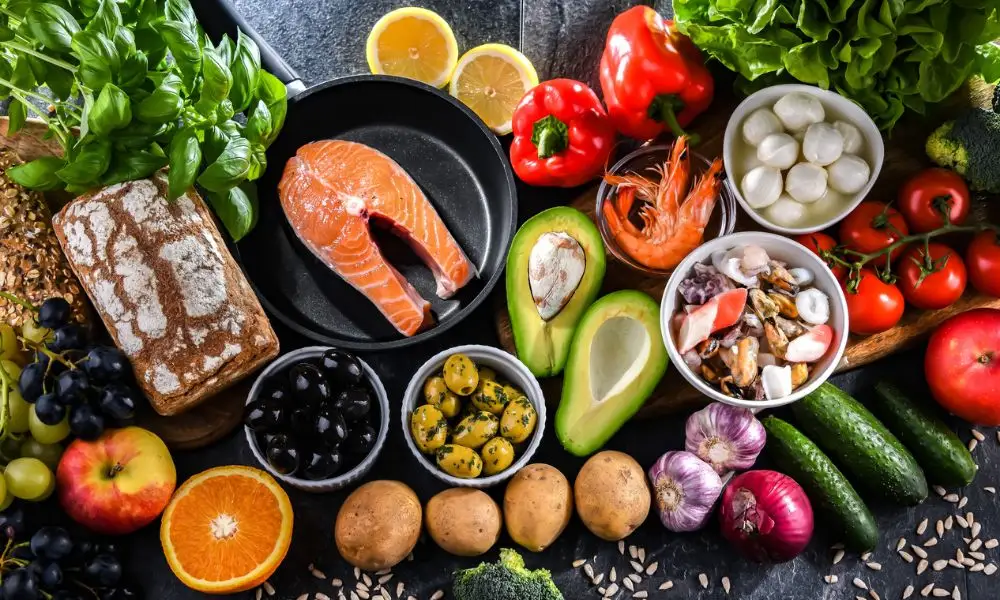
Embracing an anti-inflammatory weekly menu can be a transformative step towards enhancing your overall health and well-being. This dietary approach focuses on incorporating foods that reduce inflammation, which is often linked to chronic diseases and discomfort. By planning your meals around anti-inflammatory ingredients, you can enjoy delicious dishes while supporting your body’s natural healing processes. In this guide, we’ll explore a variety of recipes and tips to help you create a balanced and satisfying menu for the week.
Before diving into the recipes, it’s important to understand the benefits of an anti-inflammatory diet. This type of eating plan emphasizes whole foods like fruits, vegetables, lean proteins, and healthy fats, which are known to combat inflammation. By following an anti-inflammatory weekly menu, you can potentially reduce symptoms associated with arthritis, heart disease, and other inflammatory conditions. For those new to this lifestyle, our easy vegan meal plan offers a great starting point.
Understanding Anti-Inflammatory Ingredients
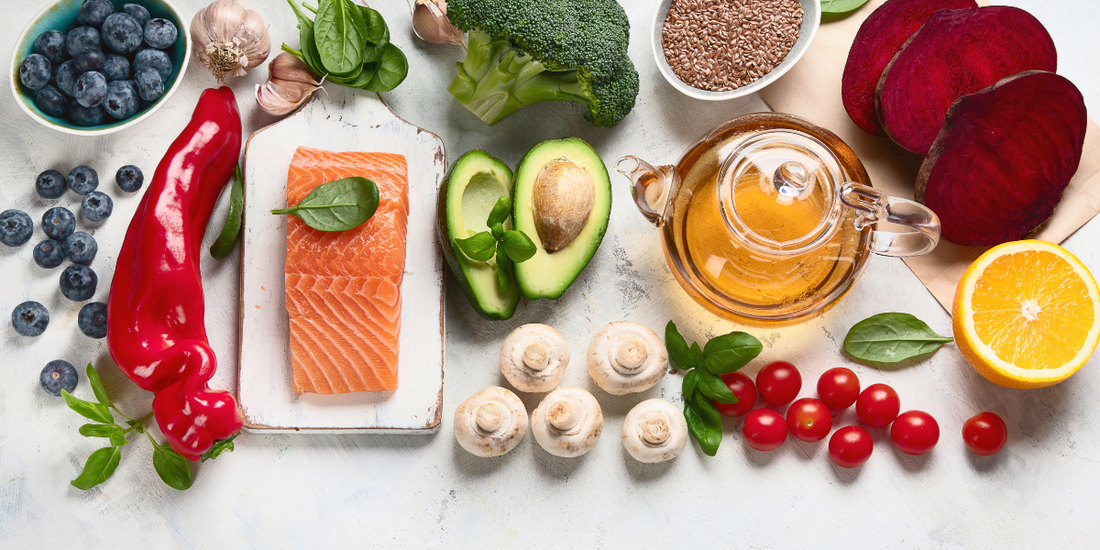
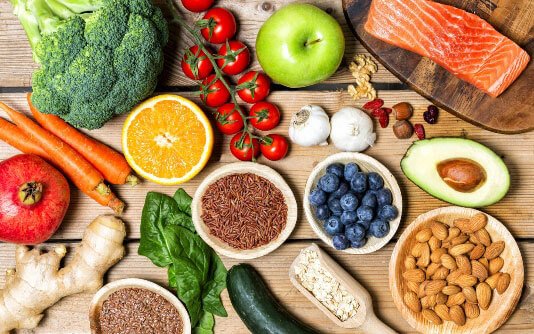
When crafting an anti-inflammatory weekly menu, it’s crucial to select ingredients that are rich in antioxidants, omega-3 fatty acids, and other nutrients known for their anti-inflammatory properties. Fruits like berries and cherries are packed with antioxidants, while leafy greens such as spinach and kale provide essential vitamins and minerals. Incorporating fatty fish like salmon, as well as nuts and seeds, can supply your body with beneficial omega-3s. Additionally, spices like turmeric and ginger are renowned for their inflammation-fighting capabilities.
Incorporating Whole Grains and Legumes
Whole grains and legumes are staples in an anti-inflammatory diet, offering a wealth of fiber and nutrients. Quinoa, brown rice, and oats are excellent choices that can be easily integrated into meals. Legumes such as lentils, chickpeas, and black beans not only provide protein but also help maintain stable blood sugar levels. By including these ingredients in your anti-inflammatory weekly menu, you can create hearty and satisfying dishes that support your health goals.
Ingredients: A Balanced Medley
- 1 cup quinoa
- 2 cups spinach
- 1 cup blueberries
- 2 tablespoons chia seeds
- 1 tablespoon turmeric
- 1 tablespoon ginger, grated
- 2 salmon fillets
- 1 avocado
- 1 cup chickpeas
- 2 tablespoons avocado oil
Essential Cookware and Tools
To prepare your anti-inflammatory weekly menu efficiently, having the right cookware and tools is essential. A dutch oven is perfect for simmering soups and stews, while a premium chef knife ensures precision when chopping vegetables and meats. Additionally, a high-quality blender can be invaluable for creating smoothies and sauces that incorporate anti-inflammatory ingredients.
Step-by-Step Preparation Guide
- Start by rinsing the quinoa under cold water. Cook it according to package instructions, then set aside to cool.
- In a large bowl, combine the spinach, blueberries, and chia seeds. Toss gently to mix.
- Season the salmon fillets with turmeric, ginger, and a pinch of salt. Heat the avocado oil in a skillet over medium heat and cook the salmon until it flakes easily with a fork.
- Slice the avocado and add it to the salad mixture along with the cooked quinoa and chickpeas.
- Drizzle with additional avocado oil and toss everything together until well combined.
Storing Your Anti-Inflammatory Dishes
Proper storage of your meals is crucial to maintaining their freshness and nutritional value. Store your prepared dishes in airtight containers in the refrigerator for up to three days. For longer storage, consider freezing individual portions, which can be easily reheated for quick and convenient meals throughout the week. This approach not only saves time but also ensures you have healthy options readily available.
Health Benefits of Anti-Inflammatory Meals
Adopting an anti-inflammatory weekly menu offers numerous health benefits. By reducing inflammation, you can experience improved joint health, enhanced digestion, and better cardiovascular function. Additionally, many anti-inflammatory foods are rich in antioxidants, which help protect your cells from damage and support your immune system. This dietary approach can also aid in weight management, as it encourages the consumption of nutrient-dense, low-calorie foods.
Conclusion
Creating an anti-inflammatory weekly menu is a proactive step towards a healthier lifestyle. By focusing on whole, nutrient-rich foods, you can enjoy flavorful meals that support your body’s natural defenses against inflammation. Whether you’re new to this dietary approach or looking to expand your recipe repertoire, these guidelines provide a solid foundation for crafting delicious and nourishing meals. For additional inspiration, explore our plant based bowl recipes that offer a variety of flavors and textures.
Care for Your Cookware
Maintaining your cookware is essential for ensuring its longevity and performance. After each use, clean your dutch oven and other tools with warm, soapy water, and dry them thoroughly to prevent rust. Regularly sharpen your premium chef knife to maintain its cutting efficiency. By taking these simple steps, you can ensure your kitchen equipment remains in top condition, ready to assist you in preparing delicious anti-inflammatory meals.