
In the realm of health-conscious eating, few ingredients are as celebrated as kale. Known for its dense nutrient profile and versatility, kale is a staple in many anti-inflammatory kale recipes. These recipes not only harness the power of kale but also incorporate other ingredients that combat inflammation, making them a perfect choice for those seeking to improve their overall well-being. In this article, we will explore a variety of delicious and nutritious recipes that highlight kale’s anti-inflammatory properties.
Whether you’re a seasoned cook or a beginner, these recipes are designed to be both accessible and rewarding. By integrating kale into your diet, you can enjoy a range of health benefits, from reduced inflammation to improved digestion. For those interested in a broader plant-based diet, our easy vegan meal plan offers additional inspiration for incorporating more plant-based meals into your routine.
Let’s dive into the world of anti-inflammatory kale recipes and discover how this leafy green can transform your meals into health-boosting delights. From salads to soups, these recipes are sure to become staples in your culinary repertoire.
Understanding the Power of Kale
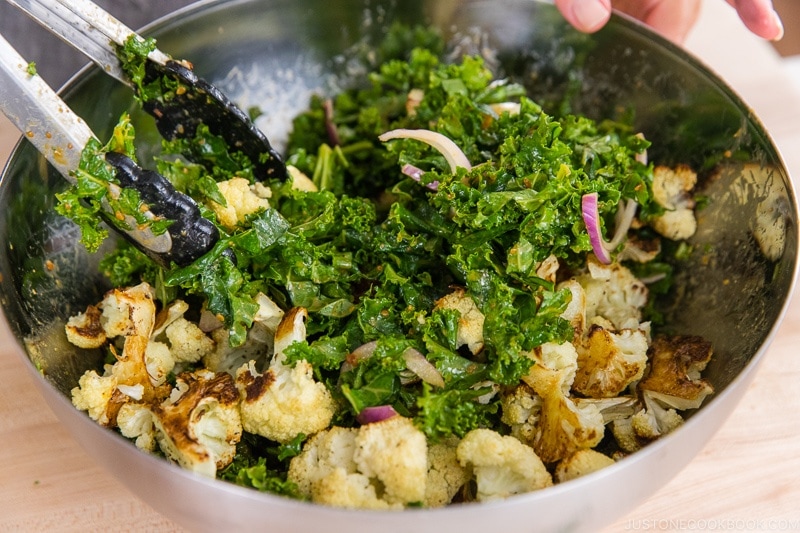
Kale is a cruciferous vegetable that has gained popularity due to its impressive nutrient profile. Rich in vitamins A, C, and K, as well as minerals like calcium and magnesium, kale is a powerhouse of nutrition. Its high antioxidant content helps to neutralize free radicals in the body, reducing oxidative stress and inflammation. Additionally, kale is an excellent source of fiber, which aids in digestion and promotes a healthy gut microbiome. Incorporating kale into your diet can support your immune system, improve skin health, and contribute to overall vitality.
Ingredients: A Balanced Medley
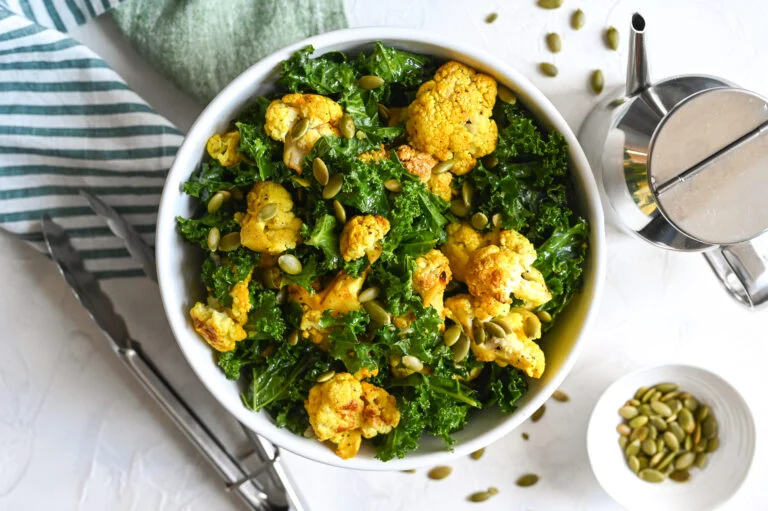
Creating an anti-inflammatory dish with kale involves selecting complementary ingredients that enhance its benefits. Common additions include turmeric, ginger, and garlic, all known for their anti-inflammatory properties. Healthy fats like avocado and nuts can also be included to improve nutrient absorption and add flavor. Below is a list of ingredients commonly used in anti-inflammatory kale recipes:
- Kale leaves, washed and chopped
- Avocado, diced
- Turmeric powder
- Fresh ginger, grated
- Garlic cloves, minced
- Olive oil or avocado oil
- Lemon juice
- Salt and pepper to taste
- Optional: nuts or seeds for garnish
Essential Cookware and Tools
To prepare these anti-inflammatory kale recipes, having the right tools can make the process more efficient and enjoyable. A dutch oven is ideal for soups and stews, providing even heat distribution and excellent heat retention. A premium chef knife is essential for chopping kale and other vegetables with precision. Additionally, a blender or food processor can be useful for creating smooth dressings and sauces.
Step-by-Step Preparation Guide
Follow these steps to create a delicious and nutritious kale salad:
- Begin by washing the kale leaves thoroughly to remove any dirt or debris. Use a salad spinner to dry the leaves or pat them dry with a clean towel.
- Chop the kale into bite-sized pieces. If the stems are tough, consider removing them before chopping.
- In a large bowl, combine the chopped kale with diced avocado, grated ginger, and minced garlic.
- In a small bowl, whisk together olive oil or avocado oil, lemon juice, turmeric powder, salt, and pepper to create a dressing.
- Pour the dressing over the kale mixture and toss well to ensure the leaves are evenly coated.
- Allow the salad to sit for a few minutes to let the flavors meld. This also helps to soften the kale.
- Garnish with nuts or seeds if desired, and serve immediately.
Storing Your Kale Salad
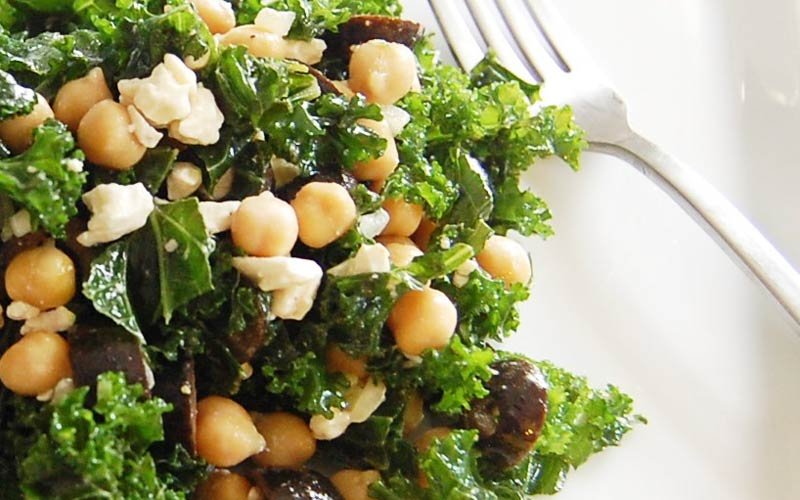
To maintain the freshness and flavor of your kale salad, it is best consumed immediately after preparation. However, if you need to store it, place the salad in an airtight container and refrigerate for up to two days. Keep in mind that the texture of the kale may change slightly, becoming softer as it absorbs the dressing. For optimal taste, consider adding fresh avocado and nuts just before serving.
Health Benefits of Kale Salad
Incorporating kale salads into your diet offers numerous health benefits. The anti-inflammatory properties of kale, combined with ingredients like turmeric and ginger, can help reduce inflammation in the body. This is particularly beneficial for individuals with chronic inflammatory conditions. Additionally, the high fiber content of kale supports digestive health and can aid in weight management. The vitamins and minerals found in kale contribute to a strong immune system, healthy skin, and improved bone health.
Conclusion
Exploring anti-inflammatory kale recipes is a delicious and effective way to enhance your diet with nutrient-rich foods. By incorporating these recipes into your meal plan, you can enjoy the numerous health benefits that kale and its complementary ingredients offer. Whether you’re looking to reduce inflammation, improve digestion, or simply enjoy a tasty and nutritious meal, these recipes are sure to satisfy. For more plant-based inspiration, check out our plant based bowl recipes for healthy meals.
Care for Your Cookware
Proper care of your cookware ensures longevity and optimal performance. For your dutch oven, avoid using metal utensils that can scratch the surface. Hand wash with mild detergent and avoid abrasive cleaners. For your premium chef knife, hand wash and dry immediately to prevent rusting. Regularly sharpen your knife to maintain its cutting efficiency.