
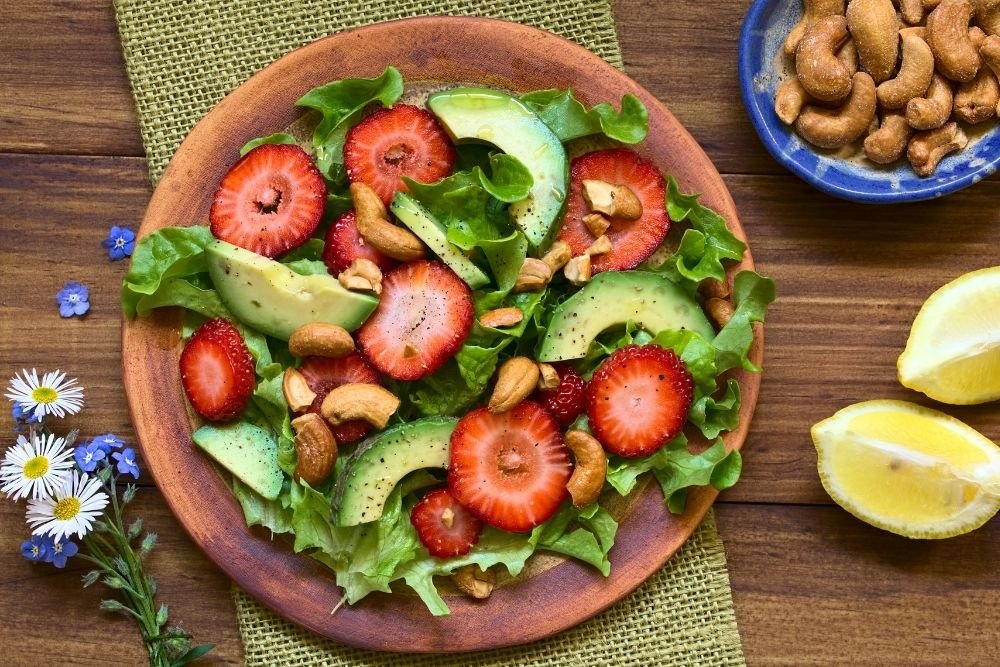
Adopting a plant-based diet focused on anti-inflammatory foods can help reduce chronic inflammation, support overall wellness, and provide delicious variety in your meals. Whether you’re new to this way of eating or looking to expand your repertoire, learning how to incorporate more anti inflammatory plant based recipes into your routine is a practical step toward better health. These dishes emphasize whole, minimally processed ingredients like leafy greens, berries, nuts, seeds, legumes, and healthy fats, all known for their inflammation-fighting properties.
For those who want to make meal planning easier, exploring resources like an easy vegan meal plan can provide structure and inspiration. This approach ensures you have nourishing, flavorful options ready throughout the week while supporting your wellness goals.
Understanding the Benefits of Plant-Based Anti-Inflammatory Meals
Chronic inflammation has been linked to a range of health concerns, including heart disease, arthritis, and certain autoimmune conditions. Choosing plant-powered meals rich in antioxidants, fiber, and phytonutrients can help lower inflammation naturally. Some of the key benefits of focusing on these recipes include:
- Improved digestion due to higher fiber intake from vegetables, legumes, and whole grains.
- Better heart health thanks to the reduction of saturated fats and cholesterol.
- Enhanced immune function from vitamins, minerals, and plant compounds.
- Weight management as plant-based meals are often lower in calories yet filling.
By making these dishes a regular part of your diet, you can enjoy both immediate and long-term health rewards.
Core Ingredients for Inflammation-Fighting Recipes
Building anti inflammatory plant based recipes starts with selecting ingredients that are naturally rich in nutrients and low in pro-inflammatory compounds. Here are some staples to keep on hand:
- Leafy greens like spinach, kale, and Swiss chard
- Berries such as blueberries, strawberries, and raspberries
- Cruciferous vegetables including broccoli, Brussels sprouts, and cauliflower
- Legumes like chickpeas, lentils, and black beans
- Nuts and seeds such as walnuts, chia seeds, and flaxseeds
- Whole grains like quinoa, brown rice, and oats
- Healthy fats from avocados and extra-virgin olive oil
- Herbs and spices including turmeric, ginger, garlic, and cinnamon
These foods not only help reduce inflammation but also add flavor, texture, and color to your meals.
Simple and Nourishing Recipe Ideas
Incorporating anti-inflammatory plant-based meals into your weekly menu doesn’t have to be complicated. Here are a few ideas to get you started:
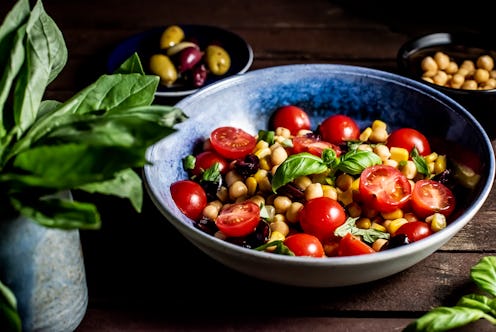
- Chickpea and Avocado Salad: Combine chickpeas, diced avocado, cherry tomatoes, red onion, and fresh cilantro. Dress with lemon juice, olive oil, and a sprinkle of cumin for a refreshing lunch or side dish.
- Berry Quinoa Breakfast Bowl: Cook quinoa and top with mixed berries, chia seeds, and a drizzle of almond butter. This bowl is packed with antioxidants and plant-based protein.
- Turmeric Lentil Soup: Simmer red lentils with carrots, celery, garlic, ginger, and turmeric. Finish with a squeeze of lemon for a warming, soothing meal.
- Roasted Vegetable Buddha Bowl: Roast a mix of sweet potatoes, broccoli, and Brussels sprouts. Serve over brown rice or quinoa with a tahini-lemon dressing.
For more inspiration, you can check out a curated collection of plant-based recipes that focus on whole, anti-inflammatory ingredients.
Tips for Making Plant-Based Cooking Easy and Sustainable
Transitioning to a diet rich in inflammation-fighting foods is easier with a few practical strategies:
- Batch cook grains and legumes at the start of the week for quick meal assembly.
- Keep your pantry stocked with essentials like canned beans, whole grains, and spices.
- Prep vegetables in advance by washing, chopping, and storing them for easy access.
- Rotate your greens and grains to keep meals interesting and nutritionally balanced.
- Explore global flavors using different herbs, spices, and sauces to keep your palate engaged.
If you’re looking for more ways to save time and money while eating well, consider exploring cheap plant based meals that are both budget-friendly and nourishing.
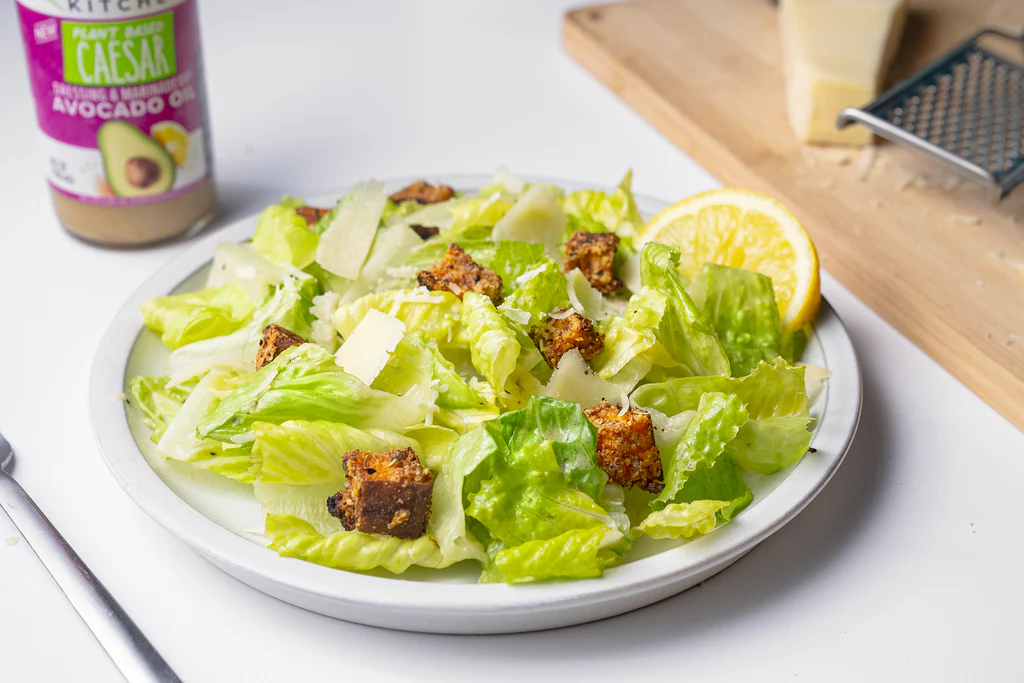
Meal Planning for Consistent Anti-Inflammatory Eating
Consistency is key when it comes to reaping the benefits of a diet rich in anti-inflammatory foods. Here are some ideas to help you plan ahead:
- Create a weekly menu featuring a mix of salads, soups, grain bowls, and stir-fries.
- Double recipes and freeze portions for busy days.
- Pack lunches using leftovers or simple salads for work or school.
- Try meal prep strategies like those found in vegan meal prep for work guides to stay organized and reduce stress.
Planning ahead not only saves time but also helps you stick to your health goals and avoid less nutritious options when you’re short on time.
Exploring Global Flavors and Hearty Dishes
Anti-inflammatory eating doesn’t mean sacrificing flavor or satisfaction. Many traditional cuisines around the world naturally emphasize plant-based, inflammation-fighting ingredients. Consider adding these ideas to your rotation:
- Mediterranean chickpea stew with tomatoes, olives, and fresh herbs
- Asian-inspired stir-fries with tofu, broccoli, and ginger-garlic sauce
- Latin American black bean bowls with avocado, salsa, and brown rice
For more filling options, browse hearty vegan meals that are both satisfying and packed with nutrients. You can also find inspiration from popular plant based dishes enjoyed worldwide.
Frequently Asked Questions
What are the best foods to eat for reducing inflammation?
The most effective foods for lowering inflammation include leafy greens, berries, cruciferous vegetables, nuts, seeds, legumes, and healthy fats like olive oil and avocado. Spices such as turmeric and ginger also have strong anti-inflammatory properties.
Can plant-based meals provide enough protein?
Yes, a well-planned plant-based diet can easily meet protein needs. Foods like lentils, chickpeas, beans, quinoa, tofu, tempeh, and seeds are excellent sources of plant protein. For more ideas, consider resources like the High Protein Vegan Cookbook featured above.
How can I make anti-inflammatory cooking more convenient?
Batch cooking, meal prepping, and keeping your pantry stocked with staples make it easier to prepare healthy meals quickly. Using simple recipes and rotating your ingredients also helps keep things manageable and interesting.