
The vibrant flavors of the Middle East have long inspired food lovers around the world. With their emphasis on fresh herbs, aromatic spices, and plant-based staples like legumes and grains, these cuisines offer a wealth of options for anyone seeking Middle Eastern vegan recipes that deliver both nutrition and excitement. Whether you’re new to plant-based cooking or looking to expand your repertoire, exploring these dishes can transform your meals with bold, satisfying flavors.
This guide introduces a variety of classic and modern vegan-friendly dishes from across the region. You’ll discover how to use ingredients like chickpeas, eggplant, tahini, and sumac to create meals that are as nourishing as they are delicious. For those interested in exploring global plant-based cuisine, you might also enjoy these Chinese vegan recipes for easy home cooking.
Why Choose Plant-Based Middle Eastern Cuisine?
Many traditional dishes from the Middle East are naturally vegan or can be easily adapted. This is thanks to the region’s reliance on vegetables, grains, pulses, and aromatic seasonings. Meals are often built around wholesome ingredients like lentils, bulgur, and beans, making them filling and packed with protein.
In addition to being nutritious, these recipes are celebrated for their bold use of spices such as cumin, coriander, cinnamon, and sumac. The result is food that’s deeply flavorful without the need for animal products. From mezze platters to hearty stews, there’s a wealth of options for anyone seeking to enjoy plant-based meals that don’t compromise on taste.
Essential Ingredients for Vegan Middle Eastern Cooking
To get started with Middle Eastern vegan recipes, it helps to stock your pantry with a few key staples. These ingredients form the backbone of many classic dishes and can be found at most grocery stores or specialty markets:
- Chickpeas and Lentils: Used in everything from hummus to stews and salads.
- Eggplant: The star of dishes like baba ganoush and moussaka.
- Tahini: A creamy sesame paste essential for dips and dressings.
- Fresh Herbs: Parsley, mint, and cilantro add brightness to salads and sauces.
- Spices: Cumin, coriander, sumac, cinnamon, and paprika are frequently used.
- Olive Oil and Lemon: For dressings, marinades, and finishing dishes.
- Bulgur and Rice: Serve as the base for pilafs, tabbouleh, and stuffed vegetables.
Popular Vegan Dishes from the Middle East
The region offers a wide range of plant-based options that are both satisfying and easy to prepare. Here are some favorites you can try at home:
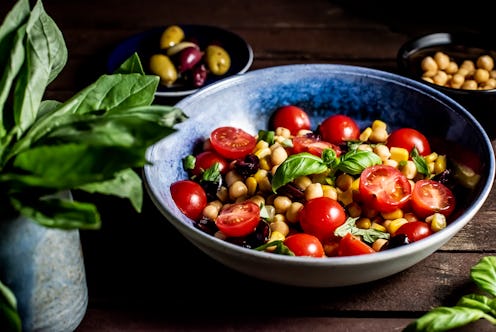
Chickpea Salad with Herbs and Spices
This refreshing salad combines chickpeas with tomatoes, cucumber, red onion, and plenty of fresh parsley and mint. Tossed with olive oil, lemon juice, and a sprinkle of sumac, it’s a perfect side or light meal.
Classic Hummus and Baba Ganoush
No Middle Eastern spread is complete without hummus and baba ganoush. Both are naturally vegan and rely on simple, wholesome ingredients. Hummus is made from blended chickpeas, tahini, lemon, and garlic, while baba ganoush features roasted eggplant, tahini, and lemon for a smoky, creamy dip.
Tabbouleh and Grain-Based Salads
Tabbouleh is a refreshing salad made with bulgur, parsley, mint, tomatoes, and lemon. It’s light, zesty, and full of nutrients. You can also experiment with quinoa or cauliflower rice as a base for similar salads. For more inspiration, check out these quinoa plant based recipes for protein-packed meals.
Hearty Vegan Mains and Satisfying Sides
Beyond mezze and salads, there are plenty of main courses that showcase the bold flavors of the region while remaining completely plant-based.
Lentil Stews and Soups
Lentil soup, or shorbat adas, is a staple across the Middle East. It’s made with red lentils, onions, carrots, and warming spices like cumin and coriander. Serve with a squeeze of lemon and fresh herbs for a comforting meal.
Stuffed Vegetables (Dolma and Mahshi)
Grape leaves, zucchini, and peppers are often stuffed with a mixture of rice, herbs, and sometimes lentils or chickpeas. These dishes are filling, aromatic, and perfect for sharing.
Plant-Based Caesar Salad with Middle Eastern Flair
Give the classic Caesar a twist by using tahini in the dressing and topping with spiced chickpeas. Add sumac and fresh herbs for a unique, tangy flavor profile.

Tips for Cooking and Serving Vegan Dishes from the Middle East
- Use Fresh Herbs Generously: Parsley, mint, and cilantro add brightness and depth to salads and dips.
- Balance Flavors: Don’t be afraid to use lemon, vinegar, or sumac to add acidity and balance rich ingredients like tahini or olive oil.
- Experiment with Spices: Toasting spices before adding them to dishes can enhance their aroma and flavor.
- Serve Mezze-Style: Offer a variety of small plates, such as hummus, baba ganoush, tabbouleh, and falafel, for a communal dining experience.
- Try Alternative Grains: Substitute bulgur with quinoa or cauliflower rice for gluten-free or lower-carb options. For more ideas, explore these cauliflower vegan recipes for healthy meals.
Expanding Your Plant-Based Menu
If you’re looking to broaden your plant-based horizons, Middle Eastern cuisine is just one of many global traditions offering delicious vegan options. For those who enjoy spicy flavors, you might appreciate these Mexican vegan recipes for spicy favorites, or explore the aromatic world of Thai plant based recipes for authentic flavor.
For even more inspiration, you can browse a wide range of plant-based recipes from around the world to keep your meals exciting and varied.
Frequently Asked Questions
Are Middle Eastern Dishes Easy to Make Vegan?
Yes, many traditional recipes from this region are either naturally vegan or can be adapted with simple substitutions. Staples like hummus, tabbouleh, and lentil soup require no animal products, while others, such as stuffed vegetables, can be made plant-based by omitting meat or dairy.
What Are the Best Protein Sources in Middle Eastern Vegan Cooking?
Chickpeas, lentils, beans, and grains like bulgur and quinoa are excellent sources of plant-based protein in these cuisines. Nuts and seeds, such as sesame (in tahini) and pine nuts, also add protein and healthy fats.
How Can I Add More Flavor to Vegan Middle Eastern Dishes?
The key is to use plenty of fresh herbs, citrus, and spices. Toasting spices before adding them to your dish can unlock deeper flavors. Don’t forget to finish salads and dips with a drizzle of good olive oil and a sprinkle of sumac or za’atar for extra zest.