
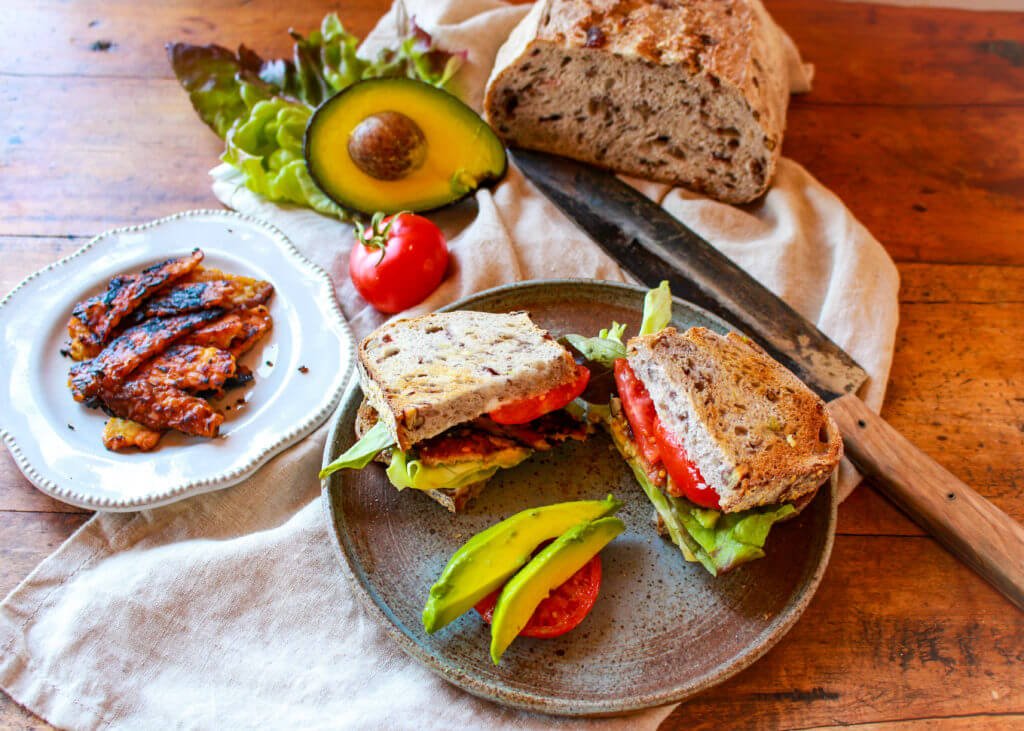
Embracing a diet centered on low sodium plant based meals can be a powerful step toward supporting cardiovascular wellness. Many people are turning to plant-forward eating patterns not only for ethical or environmental reasons but also for the proven health benefits, especially when it comes to heart health. By focusing on whole foods and minimizing added salt, you can enjoy flavorful dishes that help manage blood pressure and reduce the risk of heart disease.
Whether you’re new to plant-based eating or looking to refine your approach, this article will guide you through practical strategies, meal ideas, and essential tips for keeping sodium in check without sacrificing taste. For more inspiration, explore a wide variety of heart healthy plant based recipes that fit seamlessly into a balanced lifestyle.
Why Choose Plant-Based Dishes with Less Salt?
The link between sodium intake and heart health is well established. Consuming too much salt can raise blood pressure, increasing the risk of heart attacks and strokes. Many processed foods and restaurant meals are high in sodium, making it easy to exceed recommended limits. By preparing your own plant-based meals with minimal sodium, you have greater control over what goes into your food.
Plant foods like fruits, vegetables, whole grains, legumes, nuts, and seeds are naturally low in sodium and rich in nutrients that support heart function. When you focus on these ingredients, you’re not just reducing salt—you’re also boosting your intake of fiber, antioxidants, and healthy fats.
Building Flavor in Low Sodium Plant-Based Cooking
One common concern is that reducing salt might lead to bland meals. Fortunately, there are many ways to create delicious, satisfying dishes using herbs, spices, citrus, and umami-rich ingredients. Here are a few tips for enhancing flavor without relying on sodium:
- Use fresh or dried herbs like basil, oregano, thyme, and cilantro to add complexity.
- Spices such as cumin, smoked paprika, turmeric, and black pepper can transform simple ingredients.
- Citrus juice and zest (lemon, lime, orange) brighten up grains, salads, and roasted vegetables.
- Vinegars (balsamic, apple cider, red wine) provide tang and depth.
- Umami boosters like nutritional yeast, sun-dried tomatoes, and mushrooms deliver savory notes.
- Roasting and grilling vegetables brings out their natural sweetness and enhances overall taste.
Sample Meal Ideas for Heart-Friendly Plant-Based Eating
Creating a weekly menu of low sodium plant based meals doesn’t have to be complicated. By combining whole grains, legumes, and a variety of vegetables, you can prepare meals that are both nourishing and flavorful. Here are some ideas to get you started:
- Chickpea and vegetable stir-fry with brown rice, seasoned with ginger, garlic, and a splash of low-sodium tamari.
- Lentil and sweet potato stew flavored with smoked paprika, cumin, and fresh parsley.
- Quinoa salad with cherry tomatoes, cucumber, red onion, lemon juice, and chopped mint.
- Stuffed bell peppers filled with black beans, corn, brown rice, and salsa verde.
- Oven-roasted cauliflower tacos topped with cabbage slaw and avocado-lime crema.

Smart Grocery Shopping for Lower Sodium
When shopping for ingredients, it’s important to read labels and choose products with the least amount of added salt. Here are some strategies to help you keep sodium in check:
- Opt for no-salt-added or low-sodium canned beans and tomatoes. If unavailable, rinse canned items under water to remove some sodium.
- Choose whole grains like brown rice, quinoa, barley, and oats, which are naturally sodium-free.
- Limit processed meat alternatives such as vegan sausages or deli slices, as these can be high in salt.
- Buy unsalted nuts and seeds for snacks and recipe additions.
- Look for unsweetened, unflavored plant milks with no added sodium.
Meal Prep Tips for Busy Schedules
Planning ahead makes it easier to stick with heart-healthy plant-based meals that are low in sodium. Batch cooking grains and legumes, chopping vegetables in advance, and preparing sauces or dressings at home can save time and reduce reliance on convenience foods.
For more quick and nutritious ideas, check out these weeknight vegan meals that are perfect for busy families.
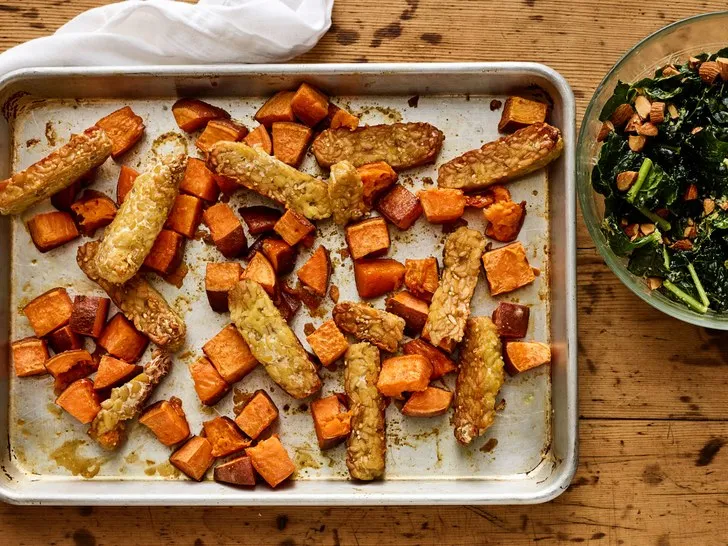
Helpful Resources and Recipe Inspiration
If you’re looking for more guidance, there are many online resources and cookbooks dedicated to plant-based eating with a heart-healthy focus. For a curated list of creative and nutritious ideas, visit these easy and healthy vegan meal recipes from the British Heart Foundation.
You might also enjoy exploring simple vegan recipes for everyday cooking, or try one pot plant based recipes for easy cleanup and minimal fuss.
Frequently Asked Questions
What are the main benefits of eating plant-based meals with less sodium?
Reducing sodium helps lower blood pressure and decreases the risk of heart disease and stroke. Plant-based dishes are naturally rich in fiber, antioxidants, and healthy fats, which further support cardiovascular health.
How can I add flavor to my meals without using salt?
Use fresh herbs, spices, citrus juice, vinegars, and umami-rich ingredients like mushrooms or nutritional yeast. Roasting and grilling vegetables also enhances their natural flavors, making meals more satisfying.
Are there any convenient low sodium plant-based products I can buy?
Yes, look for no-salt-added canned beans, unsalted nuts and seeds, and whole grains. Always check labels for sodium content and choose products with the lowest amounts. Preparing meals at home gives you the most control over sodium intake.
Can I follow a low sodium plant-based diet if I’m new to cooking?
Absolutely. Start with simple recipes that use whole ingredients and basic cooking techniques. There are many beginner-friendly guides, such as easy vegan recipes for beginners, to help you get started.