

Embracing a plant-forward diet is one of the most effective ways to support cardiovascular health. By focusing on meals rich in vegetables, fruits, whole grains, legumes, nuts, and seeds, you can help lower cholesterol, reduce blood pressure, and promote overall wellness. This guide explores a variety of heart healthy plant based recipes and practical tips for making nutritious, delicious meals part of your daily routine.
Whether you’re new to plant-based eating or looking to expand your repertoire, you’ll find inspiration for balanced meals that are both satisfying and nourishing. For those seeking even more inspiration, check out these simple vegan recipes for everyday cooking.
Why Choose Plant-Based Meals for Heart Health?
Diets centered around whole, minimally processed plant foods are linked to a lower risk of heart disease. These meals are naturally low in saturated fat and cholesterol, while providing fiber, antioxidants, and phytonutrients that support vascular function. Studies show that people who regularly consume plant-based dishes often experience lower rates of hypertension, improved cholesterol profiles, and healthier body weights.
Choosing plant-based recipes for cardiovascular wellness also means reducing intake of processed meats and high-sodium foods, both of which are associated with increased heart risk. Instead, you’ll be filling your plate with ingredients that nourish your body and help protect against chronic disease.
Key Ingredients in Heart-Smart Plant-Based Cooking
Building a heart-supportive diet starts with a few essential food groups. Here are some staples to prioritize:
- Leafy Greens: Spinach, kale, and Swiss chard are high in vitamins, minerals, and nitrates that may help lower blood pressure.
- Whole Grains: Oats, quinoa, brown rice, and barley provide fiber and help regulate cholesterol.
- Legumes: Beans, lentils, and chickpeas are rich in plant protein and soluble fiber.
- Nuts and Seeds: Walnuts, flaxseeds, and chia seeds offer healthy fats and omega-3s.
- Fruits: Berries, oranges, and apples supply antioxidants and fiber.
Incorporating a variety of these foods into your meals ensures you’re getting a broad spectrum of nutrients that promote heart function and overall vitality.
Easy Heart-Friendly Plant-Based Recipes to Try
Making the shift to more plant-based meals doesn’t have to be complicated. Here are a few ideas to get you started, each designed to be both flavorful and supportive of heart health.
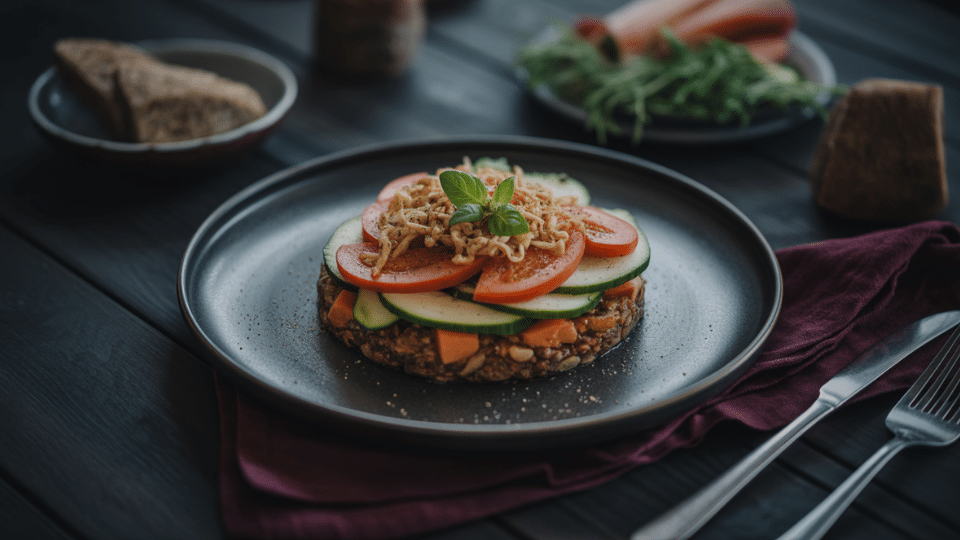
1. Colorful Vegetable Paella
This Spanish-inspired dish swaps traditional seafood for a medley of bell peppers, peas, tomatoes, and artichokes. Saffron and smoked paprika add depth, while brown rice provides fiber and sustained energy. Serve with a green salad for a balanced meal.
2. Lentil and Spinach Stew
Lentils are a powerhouse of plant protein and iron. Simmer them with onions, garlic, carrots, diced tomatoes, and plenty of spinach for a hearty, comforting stew. Add a squeeze of lemon before serving to brighten the flavors.
3. Chickpea and Avocado Salad
Combine canned chickpeas, diced avocado, cherry tomatoes, red onion, and fresh parsley. Toss with lemon juice and a splash of olive oil for a quick, satisfying lunch that’s rich in fiber and healthy fats.
4. Whole Grain Breakfast Bowls
Start your day with cooked oats or quinoa, topped with berries, sliced banana, walnuts, and a sprinkle of flaxseed. This breakfast is loaded with antioxidants and omega-3s to support your heart from the first meal of the day.
For more inspiration on quick and nutritious options, explore these lazy vegan meals for simple cooking.
Meal Planning Tips for a Heart-Conscious Plant-Based Diet
Consistency is key when it comes to reaping the benefits of plant-based eating. Here are some practical strategies to help you stay on track:
- Batch Cook: Prepare grains, beans, and roasted vegetables in advance to streamline weeknight dinners.
- Keep Healthy Snacks Handy: Stock up on fruit, raw nuts, and hummus for quick, nourishing snacks.
- Experiment with Herbs and Spices: Use fresh herbs, garlic, ginger, and spices to add flavor without extra salt or fat.
- Read Labels: Choose minimally processed products and watch for added sodium or sugars.
- Plan Balanced Plates: Aim for a mix of protein, fiber, and healthy fats at every meal.

Resources for More Plant-Based Inspiration
There are many ways to keep your meals exciting and aligned with your health goals. For those who love one-pan meals, try these one pot plant based recipes for easy cleanup and minimal fuss.
If you’re just starting out, a helpful guide like easy vegan recipes for beginners can make the transition smoother. And for even more creative ideas, the Plant Based RD Blog offers a wealth of evidence-based nutrition tips and delicious meal ideas.
Frequently Asked Questions
What makes a plant-based recipe heart healthy?
A heart-supportive plant-based meal is low in saturated fat and sodium, high in fiber, and packed with nutrients from whole foods like vegetables, legumes, whole grains, nuts, and seeds. Avoiding processed ingredients and focusing on fresh, colorful produce helps maximize cardiovascular benefits.
Can I get enough protein from plant-based meals?
Yes, it’s entirely possible to meet your protein needs with plant-based foods. Beans, lentils, tofu, tempeh, quinoa, and nuts are excellent sources of plant protein. Combining a variety of these foods throughout the day ensures you receive all essential amino acids.
How can I make plant-based cooking easier for busy schedules?
Batch cooking, meal prepping, and relying on simple recipes with minimal ingredients can help save time. Dishes like stews, grain bowls, and salads can be prepared in advance and enjoyed throughout the week. For more ideas, explore these weeknight vegan meals designed for busy families.
Are plant-based diets suitable for everyone?
Most people can benefit from eating more plant-based foods, but individual needs may vary. If you have specific health conditions or dietary restrictions, consult a registered dietitian or healthcare provider to ensure your nutritional needs are met.
Incorporating heart healthy plant based recipes into your routine is a practical and enjoyable way to support your cardiovascular system and overall well-being. With a little planning and creativity, you can enjoy meals that are both delicious and nourishing every day.