
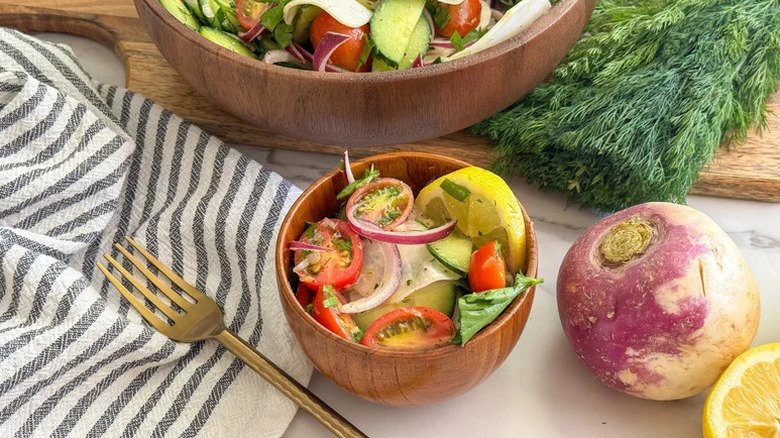
Embracing a more plant-focused diet is a practical way to support overall well-being, maintain energy, and enjoy a wide variety of flavors. Whether you’re a long-time vegan, a flexitarian, or simply looking to add more vegetables, legumes, and whole grains to your meals, exploring healthy plant based recipes can help you achieve a more balanced approach to eating.
These dishes are not only rich in nutrients but also versatile, making it easy to enjoy satisfying meals without relying on animal products. From hearty soups to vibrant salads and protein-packed mains, plant-forward cooking offers something for everyone. For those interested in anti-inflammatory options, you might also enjoy this anti-inflammatory green salad for a refreshing addition to your menu.
Why Choose Plant-Based Meals?
There are several benefits to incorporating more plant-derived foods into your daily routine. Diets centered around vegetables, fruits, legumes, nuts, and whole grains are associated with a lower risk of chronic diseases, improved digestion, and better weight management. These meals are naturally high in fiber, vitamins, minerals, and antioxidants, which support immune health and help reduce inflammation.
Additionally, plant-based cooking is environmentally friendly. Producing plant foods generally requires fewer resources and generates less greenhouse gas emissions compared to animal agriculture. By choosing more plant-forward recipes, you’re making a positive impact on both your health and the planet.
Key Components of a Balanced Plant-Based Diet
To ensure your meals are both nourishing and satisfying, it’s important to include a variety of food groups. Here are some essential elements to focus on:
- Whole Grains: Brown rice, quinoa, oats, barley, and farro provide complex carbohydrates and sustained energy.
- Legumes: Beans, lentils, and chickpeas are excellent sources of plant protein and fiber.
- Vegetables: Aim for a colorful mix to maximize nutrient intake. Leafy greens, cruciferous veggies, and root vegetables are especially beneficial.
- Fruits: Fresh, frozen, or dried fruits add natural sweetness and important vitamins.
- Nuts and Seeds: Almonds, walnuts, chia seeds, and flaxseeds offer healthy fats, protein, and minerals.
- Healthy Fats: Avocado, olive oil, and nut butters help with absorption of fat-soluble vitamins and keep meals satisfying.
Combining these food groups in your daily meals ensures you get a broad spectrum of nutrients for optimal health.
Easy and Nourishing Plant-Based Recipe Ideas
Creating delicious, nutrient-rich meals doesn’t have to be complicated. Here are some ideas to inspire your next plant-based dish:
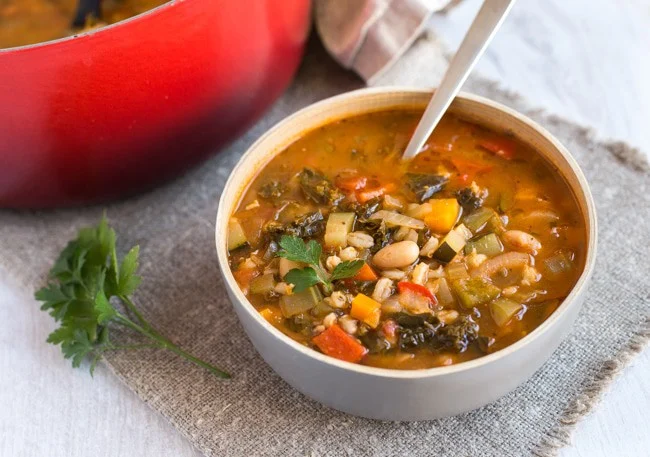
- Hearty Soups: Combine beans, lentils, and seasonal vegetables for a filling, one-pot meal.
- Grain Bowls: Layer cooked grains with roasted veggies, leafy greens, and a flavorful dressing.
- Stir-Fries: Sauté a mix of colorful vegetables with tofu or tempeh and serve over brown rice or quinoa.
- Salads: Mix greens, beans, seeds, and fruit for a nutrient-packed lunch or side.
- Wraps and Sandwiches: Fill whole-grain wraps with hummus, grilled veggies, and sprouts for a quick meal.
For more inspiration, you can explore a wide range of creative vegan recipes that fit every taste and occasion.
Sample Day of Wholesome Plant-Based Meals
Planning a full day of eating with plant-based options can be both simple and enjoyable. Here’s an example of how you might structure your meals:
- Breakfast: Overnight oats with chia seeds, almond milk, berries, and a drizzle of maple syrup.
- Lunch: Lentil and vegetable soup with a side of whole-grain bread.
- Snack: Sliced apple with peanut butter or a handful of mixed nuts.
- Dinner: Quinoa bowl with roasted sweet potatoes, kale, black beans, avocado, and a tahini dressing.
- Dessert: For a sweet finish, try these anti-inflammatory desserts that are both delicious and nourishing.
This approach ensures you’re getting a variety of nutrients throughout the day, keeping meals interesting and balanced.
Tips for Making Plant-Based Eating Sustainable
Transitioning to more plant-based meals doesn’t have to happen overnight. Here are some practical tips to help you stay consistent and enjoy the journey:
- Start Small: Begin by adding one or two plant-based meals per week and gradually increase as you find new favorites.
- Batch Cook: Prepare staples like grains, beans, and roasted veggies in advance to save time during busy weekdays.
- Experiment with Flavors: Use herbs, spices, and sauces to keep meals exciting and flavorful.
- Stay Inspired: Follow blogs, cookbooks, and social media accounts that focus on healthy plant based recipes for new ideas.
- Listen to Your Body: Make sure you’re eating enough to feel satisfied and energized. Don’t be afraid to adjust portion sizes or ingredients based on your needs.
Remember, flexibility is key. The goal is to create a way of eating that feels enjoyable and sustainable for you.
Frequently Asked Questions
How Can I Get Enough Protein on a Plant-Based Diet?
Plant-based sources like lentils, beans, chickpeas, tofu, tempeh, quinoa, nuts, and seeds are all rich in protein. By including a variety of these foods throughout the day, you can easily meet your protein needs without animal products.
Are Plant-Based Meals Suitable for Families?
Absolutely. Many dishes, such as soups, grain bowls, and stir-fries, can be customized to suit different tastes and preferences. Getting kids involved in meal preparation can also make them more excited to try new foods.
What Are Some Quick Plant-Based Snack Ideas?
Some easy snacks include hummus with veggie sticks, fruit with nut butter, roasted chickpeas, or homemade anti-inflammatory snack bars. These options are convenient, nutritious, and satisfying.