

Starting your day with a balanced meal can make a significant difference in your energy levels, focus, and overall well-being. Adding nuts to your morning routine is a simple way to boost both nutrition and flavor, offering a satisfying crunch that pairs well with many classic breakfast dishes. In this guide, you’ll find practical ways to incorporate a variety of nuts into your breakfast, learn about their unique nutritional profiles, and discover both the benefits and potential downsides of making them a regular part of your morning meal.

Why Add Nuts to Your Morning Meal?
Nuts are a versatile ingredient that can enhance the taste, texture, and nutritional value of breakfast. They are naturally rich in healthy fats and nutrients, making them a valuable addition to a balanced diet. Including nuts in your breakfast can help you feel fuller for longer, support heart health, and provide sustained energy throughout the morning. Whether sprinkled on oatmeal, blended into smoothies, or used as a topping for yogurt, nuts offer both flavor and crunch that elevate everyday dishes.
Nutritional Benefits of Nuts in Breakfast
One of the main reasons to include nuts in your breakfast is their impressive nutritional profile. According to nut health experts, nuts can be added to brunch recipes like eggs and breads for both nutritional benefits and texture. Here are some of the key nutrients found in most nuts:
- Healthy fats: Most nuts are high in unsaturated fats, which support heart health and help reduce bad cholesterol levels.
- Protein: Nuts provide plant-based protein, which is essential for muscle repair and growth.
- Fiber: The fiber in nuts aids digestion and helps you feel full, which can reduce snacking later in the day.
- Vitamins and minerals: Nuts are a good source of vitamin E, magnesium, selenium, and other important micronutrients.
Adding nuts to your breakfast can also help regulate blood sugar levels, thanks to their combination of healthy fats, protein, and fiber. This makes them especially beneficial when paired with carbohydrate-rich foods like oats or whole grain bread.
Comparing Different Nuts for Breakfast
Not all nuts are created equal when it comes to nutrition. Understanding the differences can help you choose the best options for your needs and preferences. Here’s a closer look at some popular choices:
| Nut | Calories (per 1 oz) | Protein (g) | Fat (g) | Fiber (g) | Notable Nutrients |
|---|---|---|---|---|---|
| Almonds | 164 | 6 | 14 | 3.5 | Vitamin E, Magnesium |
| Walnuts | 185 | 4 | 18 | 2 | Omega-3s, Copper |
| Pecans | 196 | 3 | 20 | 2.7 | Manganese, Thiamin |
| Hazelnuts | 178 | 4 | 17 | 2.7 | Folate, Vitamin E |
| Pistachios | 159 | 6 | 13 | 3 | Vitamin B6, Potassium |
| Cashews | 157 | 5 | 12 | 1 | Iron, Zinc |
Almonds and pistachios are particularly high in protein and fiber, making them excellent for satiety and digestive health. Walnuts stand out for their omega-3 fatty acids, which are rare in plant foods. Pecans and hazelnuts are richer in healthy fats and micronutrients like manganese and vitamin E. Choosing a mix of nuts can help you benefit from their diverse nutrient profiles.
Creative Ways to Enjoy Nuts at Breakfast
There are countless ways to add nuts to your morning meal, whether you prefer sweet or savory dishes. Here are some practical ideas to get you started:
- Nutty Oatmeal: Stir chopped walnuts or almonds into your oatmeal as it cooks, or sprinkle them on top for extra crunch. Add sliced banana or berries for natural sweetness.
- Yogurt Parfait with Nuts: Layer Greek yogurt with granola, fresh fruit, and a handful of mixed nuts. This combination provides protein, fiber, and a satisfying texture.
- Nut Butter Toast: Spread almond, peanut, or cashew butter on whole grain toast. Top with sliced apples, chia seeds, or a drizzle of honey for additional flavor and nutrients.
- Breakfast Smoothie with Nuts: Blend a tablespoon of nut butter or a small handful of nuts into your morning smoothie. This adds creaminess and helps keep you full longer.
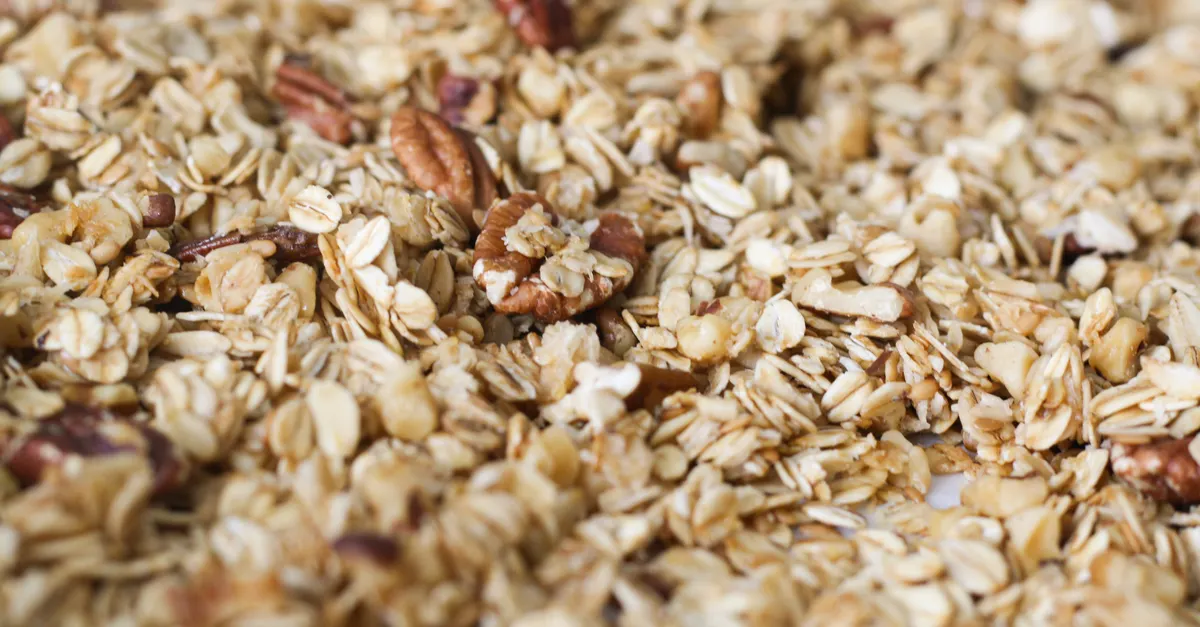
- Homemade Granola: Make your own granola by combining rolled oats, chopped nuts, and a touch of maple syrup. Bake until golden for a crunchy topping that’s perfect on yogurt or as a cereal.
- Egg Dishes with Nuts: Add toasted pine nuts or chopped pecans to scrambled eggs or omelets for a unique twist. According to nut health experts, nuts can be incorporated into brunch recipes like eggs and breads for both nutrition and texture.
- Energy Bars: Prepare no-bake energy bars using dates, oats, and your favorite nuts. These are convenient for busy mornings and can be made in advance.
For more inspiration, you might enjoy exploring healthy breakfast ideas with almond butter for a nutty flavor twist on classic dishes.
When preparing these meals, remember that a balanced breakfast should contain 400-500 calories and include a mix of carbohydrates, lean protein, and fruits or vegetables, as outlined by nutrition guidelines from nutritional experts.
Potential Downsides to Consider
While nuts offer many health benefits, there are a few considerations to keep in mind when making them a regular part of your breakfast:
- Allergies: Nut allergies are common and can be severe. If you or someone in your household is allergic, take care to avoid cross-contamination and choose nut-free alternatives.
- Calorie Density: Nuts are calorie-dense, meaning a small serving packs a lot of energy. Overeating nuts can contribute to excess calorie intake, so portion control is important—typically, a small handful (about 1 ounce) is sufficient.
- Added Ingredients: Some packaged nuts contain added salt, sugar, or oils. Opt for raw or dry-roasted varieties without added ingredients for the healthiest choice.
- Digestive Sensitivity: For some people, nuts can cause digestive discomfort, especially if eaten in large amounts or if you have certain digestive conditions.
By being mindful of these factors, you can enjoy the benefits of nuts while minimizing potential drawbacks.
Summary and Takeaways
Incorporating nuts into your breakfast is a practical way to boost nutrition, add satisfying crunch, and enjoy a variety of flavors. From oatmeal and yogurt parfaits to smoothies and egg dishes, nuts are a flexible ingredient that pairs well with many morning favorites. Remember to choose a mix of nuts to take advantage of their different nutrients, watch your portion sizes, and be aware of any allergies or sensitivities. With a little creativity, you can make your morning meal both delicious and nourishing.
Frequently Asked Questions
What are the best nuts to eat for breakfast?
Almonds, walnuts, pistachios, pecans, hazelnuts, and cashews are all excellent choices. Each offers a unique combination of protein, healthy fats, and micronutrients. Almonds and pistachios are especially high in protein and fiber, while walnuts provide plant-based omega-3s.
Can eating nuts for breakfast help with weight management?
Yes, nuts can support weight management when eaten in moderation. Their combination of protein, fiber, and healthy fats helps promote satiety, which may reduce overall calorie intake throughout the day. However, because nuts are calorie-dense, it’s important to keep portions reasonable.
Are there any quick and easy breakfast ideas with nuts?
Absolutely. Some of the quickest options include topping yogurt or oatmeal with chopped nuts, spreading nut butter on whole grain toast, or blending nuts into a morning smoothie. Homemade energy bars with nuts are also a convenient grab-and-go option.