
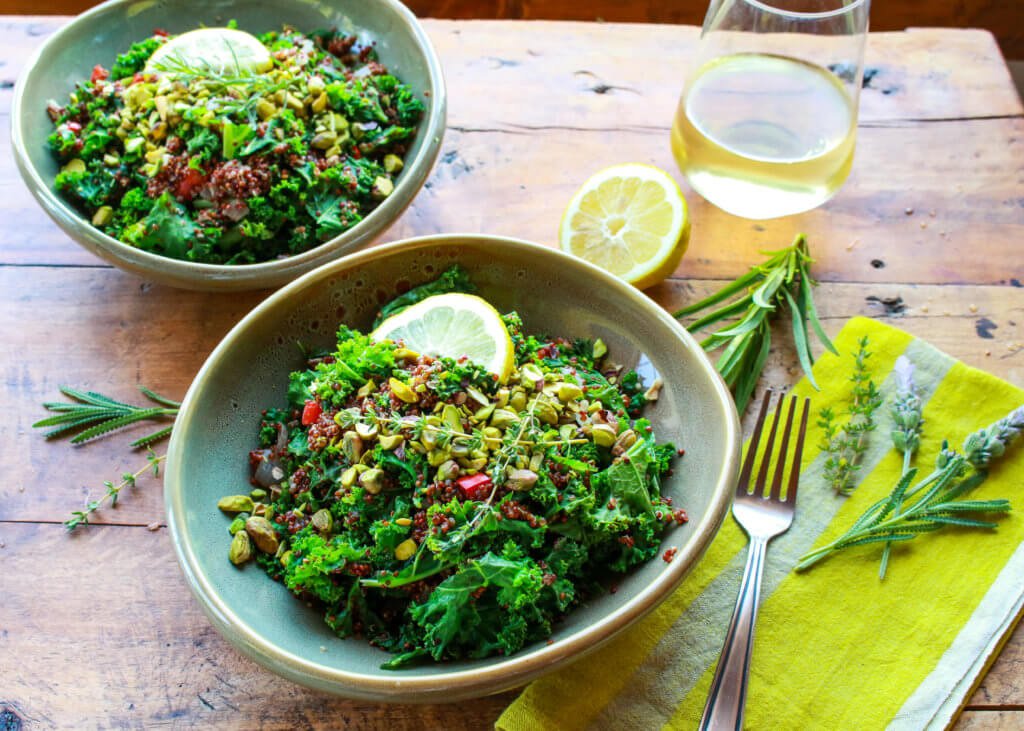
Embracing a gluten free plant based recipes lifestyle can be a powerful way to support overall wellness, manage food sensitivities, and enjoy a diverse range of delicious meals. Whether you are motivated by health reasons, ethical choices, or simply want to explore new flavors, removing gluten and animal products from your diet opens up a world of vibrant, nutrient-dense foods. This guide will help you understand the benefits, provide practical tips, and share inspiring meal ideas to make your journey both enjoyable and sustainable.
If you’re looking for more inspiration, check out these simple vegan recipes for everyday cooking, which offer plenty of naturally gluten-free options.
Why Choose a Gluten-Free, Plant-Based Diet?
Many people are turning to gluten free plant based recipes for a variety of reasons. For those with celiac disease or gluten sensitivity, eliminating gluten is essential for health. Even without a medical diagnosis, some individuals find that reducing gluten helps with digestion, energy, and inflammation. Combining this with a plant-based approach, which emphasizes fruits, vegetables, legumes, nuts, and seeds, can further enhance nutrient intake and support heart health, weight management, and environmental sustainability.
Key Ingredients in Gluten-Free Vegan Cooking
Creating satisfying meals without gluten or animal products is easier than ever thanks to the wide range of naturally gluten-free plant foods. Here are some staples to keep in your pantry:
- Whole Grains: Quinoa, brown rice, millet, buckwheat, amaranth, and certified gluten-free oats.
- Legumes: Lentils, chickpeas, black beans, and split peas provide protein and fiber.
- Vegetables: Leafy greens, root vegetables, squash, and cruciferous veggies add vitamins and minerals.
- Nuts and Seeds: Almonds, walnuts, chia, flax, and sunflower seeds offer healthy fats and texture.
- Fruits: Fresh, dried, or frozen fruits bring natural sweetness and antioxidants.
- Plant-Based Milks: Almond, soy, oat, and coconut milks are great for cooking and baking.
Simple Meal Ideas Using Gluten-Free Plant Ingredients
With a little creativity, you can prepare a variety of dishes that are both nourishing and satisfying. Here are some ideas to get you started:
- Breakfast: Overnight oats made with certified gluten-free oats, chia pudding, or smoothie bowls topped with seeds and berries.
- Lunch: Grain bowls with quinoa, roasted vegetables, and tahini dressing, or hearty salads with beans and avocado.
- Dinner: Stir-fries with tofu and brown rice, lentil stews, or vegetable curries served with millet or buckwheat.
- Snacks: Hummus with veggie sticks, roasted chickpeas, or homemade energy bars using nuts and dates.
Tips for Cooking and Baking Without Gluten
Adapting your favorite recipes to be gluten-free and plant-based may require some experimentation, but it’s very achievable. Here are some practical suggestions:
- Use a blend of gluten-free flours (such as almond, oat, and rice flour) for baking.
- Add xanthan gum or ground flaxseed to help bind ingredients in baked goods.
- Check labels on packaged foods for hidden sources of gluten, such as soy sauce or malt vinegar.
- Explore naturally gluten-free grains like quinoa and millet for side dishes and salads.
- Try using lettuce leaves, collard greens, or gluten-free tortillas as wraps for sandwiches.
Lunch and Dinner Inspiration: Wholesome and Satisfying Dishes
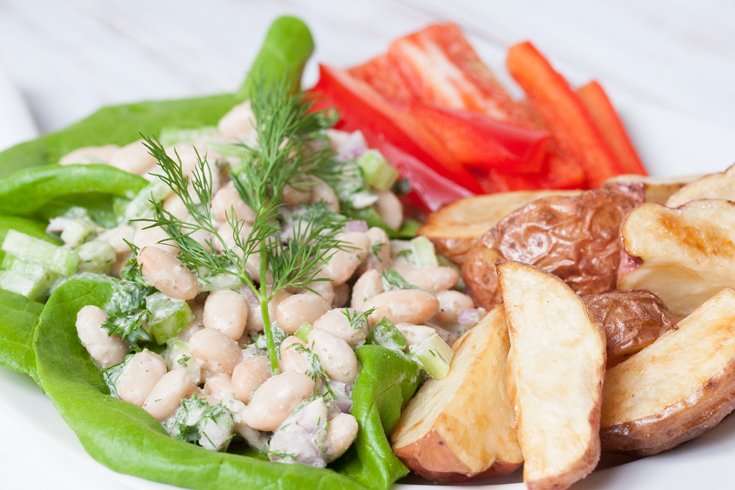
When it comes to midday and evening meals, variety is key. Try assembling a colorful Buddha bowl with roasted sweet potatoes, black beans, sautéed kale, and a drizzle of lemon-tahini sauce. For a comforting option, prepare a vegetable stew with lentils, carrots, and tomatoes, served over brown rice or quinoa. If you’re short on time, explore one pot plant based recipes for easy cleanup and minimal fuss.
Finding and Creating Delicious Gluten-Free Vegan Recipes
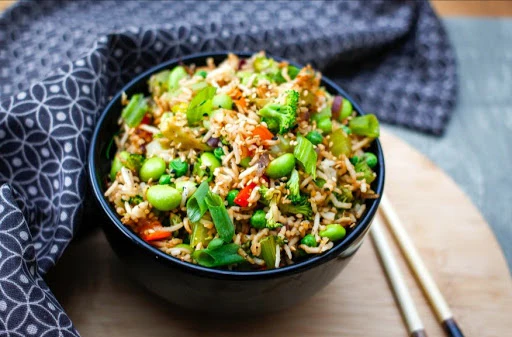
There are countless resources available for those seeking new meal ideas. Online platforms, cookbooks, and blogs offer step-by-step instructions and inspiration. For a wide range of creative plant-based dishes free from gluten, you can browse healthy gluten-free vegan recipes from trusted sources. Don’t be afraid to experiment with new ingredients and flavor combinations to keep your meals exciting.
Making the Transition: Practical Advice for Beginners
Switching to a gluten-free, plant-forward diet doesn’t have to be overwhelming. Start by focusing on meals you already enjoy that naturally fit these guidelines, such as rice and bean bowls, vegetable soups, or fruit smoothies. Gradually introduce new grains and legumes, and explore different cooking methods like roasting, steaming, and grilling. If you’re new to plant-based cooking, you might find these easy vegan recipes for beginners helpful as you build confidence in the kitchen.
Frequently Asked Questions
What are some naturally gluten-free grains to use in plant-based meals?
Some of the best gluten-free grains include quinoa, brown rice, millet, buckwheat, amaranth, and certified gluten-free oats. These grains are versatile and can be used in salads, bowls, soups, and even baking.
How can I ensure I’m getting enough protein on a gluten-free vegan diet?
Focus on including a variety of legumes (such as lentils, chickpeas, and black beans), nuts, seeds, and gluten-free whole grains. Tofu and tempeh are also excellent sources of plant protein. For more ideas, consider exploring high-protein vegan cookbooks or online resources.
Are there easy meal prep strategies for gluten-free, plant-based eating?
Yes! Batch-cook grains and legumes at the start of the week, chop vegetables in advance, and prepare dressings or sauces to have on hand. This makes it simple to assemble quick, nutritious meals throughout the week.
Conclusion
Adopting a gluten-free, plant-based approach can be both enjoyable and rewarding. With the right ingredients, a bit of planning, and access to reliable recipes, you’ll discover that eating this way is anything but restrictive. Explore new flavors, experiment with different grains and legumes, and enjoy the health benefits that come with a diet rich in whole, plant-based foods.