
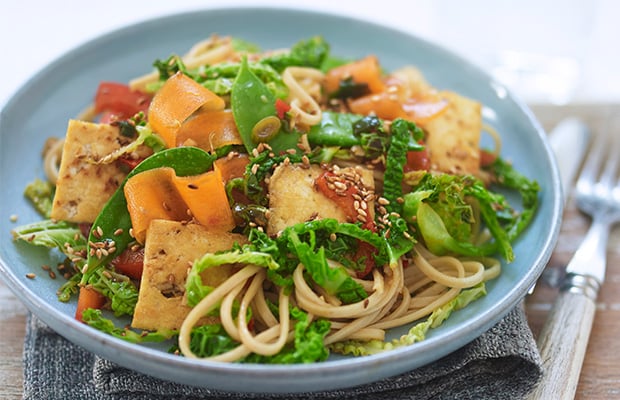
Incorporating anti-inflammatory vegetarian recipes into your diet can be a game-changer for your health. These recipes are designed to reduce inflammation, which is often the root cause of many chronic diseases. By focusing on plant-based ingredients that are rich in antioxidants and nutrients, you can enjoy delicious meals that also support your body’s natural healing processes. Whether you’re looking to improve your overall well-being or manage specific health conditions, these recipes offer a flavorful and nutritious way to do so.
One of the key benefits of these recipes is their ability to provide a wide range of nutrients without the inflammatory effects often associated with animal products. By using ingredients like leafy greens, nuts, seeds, and healthy oils, you can create meals that are not only satisfying but also beneficial for your body. These recipes are perfect for anyone looking to adopt a healthier lifestyle, and they can be easily integrated into your daily routine. For more ideas on how to incorporate anti-inflammatory foods into your diet, check out our anti-inflammatory smoothie recipes.
In this article, we’ll explore a variety of anti-inflammatory vegetarian recipes that are both easy to prepare and delicious to eat. From hearty salads to comforting soups, these recipes will help you embrace a healthier lifestyle without sacrificing flavor. Let’s dive into the world of anti-inflammatory cooking and discover how you can make these meals a staple in your kitchen.
Exploring the Ingredients
When it comes to crafting anti-inflammatory vegetarian recipes, the choice of ingredients is crucial. The focus is on foods that are rich in antioxidants, vitamins, and minerals. Leafy greens such as spinach and kale are excellent choices due to their high content of vitamins A, C, and K. These greens are known for their anti-inflammatory properties and can be used in a variety of dishes, from salads to smoothies. Additionally, incorporating colorful vegetables like bell peppers, carrots, and beets can enhance the nutritional value of your meals while adding vibrant flavors and textures.
Healthy Fats and Proteins
Incorporating healthy fats and proteins is essential in anti-inflammatory vegetarian recipes. Nuts and seeds, such as almonds, chia seeds, and flaxseeds, are excellent sources of omega-3 fatty acids, which are known to reduce inflammation. These can be added to salads, smoothies, or used as toppings for various dishes. Legumes like lentils and chickpeas provide plant-based protein and fiber, making them a staple in many vegetarian recipes. They can be used in soups, stews, or even as a base for veggie burgers. For cooking, consider using avocado oil, which is rich in monounsaturated fats and adds a subtle flavor to your dishes.
Ingredients: A Balanced Medley
- 2 cups fresh spinach
- 1 cup kale, chopped
- 1 red bell pepper, sliced
- 1 cup cherry tomatoes, halved
- 1/2 cup almonds, toasted
- 1/4 cup chia seeds
- 1 cup cooked quinoa
- 2 tablespoons avocado oil
- Salt and pepper to taste

Essential Cookware and Tools
To prepare these recipes efficiently, having the right cookware and tools is essential. A dutch oven is perfect for making soups and stews, allowing for even heat distribution and excellent heat retention. A premium chef knife is indispensable for chopping vegetables and preparing ingredients with precision. These tools not only make the cooking process more enjoyable but also ensure that your meals are prepared to perfection.
Step-by-Step Preparation Guide
- Begin by washing and preparing all the vegetables. Use a premium chef knife to chop the kale and slice the bell pepper and cherry tomatoes.
- In a large mixing bowl, combine the spinach, kale, bell pepper, and cherry tomatoes. Toss them together to ensure even distribution.
- Add the cooked quinoa to the vegetable mixture, followed by the toasted almonds and chia seeds. Mix well to combine all ingredients.
- Drizzle avocado oil over the salad and season with salt and pepper to taste. Toss the salad gently to coat all ingredients with the oil.
- Transfer the salad to a serving dish and enjoy as a nutritious and satisfying meal.

Storing Your Anti-Inflammatory Salad
Proper storage is key to maintaining the freshness and nutritional value of your anti-inflammatory vegetarian recipes. Once prepared, the salad can be stored in an airtight container in the refrigerator for up to three days. To keep the ingredients crisp, consider storing the dressing separately and adding it just before serving. This ensures that the salad remains fresh and flavorful, allowing you to enjoy it over multiple meals without compromising on taste or texture.
Health Benefits of Anti-Inflammatory Meals
Consuming anti-inflammatory vegetarian recipes offers numerous health benefits. These meals are rich in antioxidants, which help combat oxidative stress and reduce inflammation in the body. By incorporating a variety of fruits, vegetables, and healthy fats, you can support your immune system and improve your overall health. Additionally, these recipes are often lower in calories and saturated fats, making them an excellent choice for weight management and heart health. For more information on the benefits of an anti-inflammatory diet, visit this resource.
Conclusion
Embracing anti-inflammatory vegetarian recipes is a delicious and effective way to enhance your health and well-being. By focusing on nutrient-dense ingredients and mindful cooking practices, you can create meals that are both satisfying and beneficial for your body. Whether you’re new to vegetarian cooking or looking to expand your culinary repertoire, these recipes provide a perfect starting point. Remember, the key to a successful anti-inflammatory diet is variety, so don’t hesitate to experiment with different ingredients and flavors to find what works best for you.
Care for Your Cookware
Maintaining your cookware is essential for ensuring its longevity and performance. After using your dutch oven or chef knife, clean them thoroughly with warm water and mild detergent. Avoid using abrasive cleaners or scouring pads, as these can damage the surface of your cookware. Regular maintenance not only keeps your tools in top condition but also enhances your cooking experience, allowing you to prepare delicious meals with ease.