
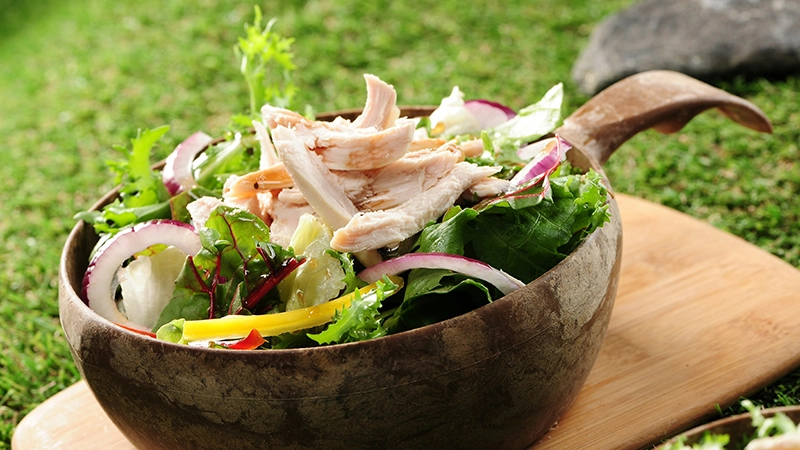
Embrace the power of nature’s bounty with these delightful anti-inflammatory salad recipes. Not only are they packed with vibrant flavors, but they also harness the healing properties of fresh, wholesome ingredients. These salads are designed to reduce inflammation, boost your immune system, and provide a refreshing meal option that is both nutritious and delicious. Whether you’re looking to improve your overall health or simply enjoy a tasty dish, these salads are sure to become a staple in your culinary repertoire.
Inflammation is a natural process that helps the body heal and defend itself from harm. However, chronic inflammation can lead to various health issues, including heart disease, arthritis, and other inflammatory conditions. Incorporating anti-inflammatory foods into your diet can help mitigate these risks. These salads feature ingredients rich in antioxidants, omega-3 fatty acids, and other nutrients known for their anti-inflammatory properties. From leafy greens to colorful vegetables and healthy fats, each recipe is a celebration of health and flavor.
Before diving into the recipes, consider exploring more easy anti-inflammatory recipes to expand your culinary horizons. These dishes are not only easy to prepare but also offer a wide range of flavors and textures that cater to different palates and dietary preferences.
Leafy Greens: The Foundation of Health
Leafy greens are the cornerstone of any anti-inflammatory salad. Rich in vitamins, minerals, and antioxidants, they provide a solid nutritional base. Kale, spinach, and arugula are excellent choices, each offering unique benefits. Kale is a powerhouse of vitamins A, C, and K, while spinach is loaded with iron and magnesium. Arugula, with its peppery flavor, adds a delightful kick to any salad. These greens are not only nutritious but also versatile, allowing you to mix and match according to your taste preferences.
Colorful Vegetables: A Rainbow of Nutrients
Adding a variety of colorful vegetables to your salad not only enhances its visual appeal but also boosts its nutritional value. Bell peppers, tomatoes, and carrots are excellent choices for their anti-inflammatory properties. Bell peppers are rich in vitamin C and antioxidants, while tomatoes provide lycopene, a powerful anti-inflammatory compound. Carrots, with their high beta-carotene content, support eye health and immune function. By incorporating a rainbow of vegetables, you ensure a diverse intake of essential nutrients that support overall health.
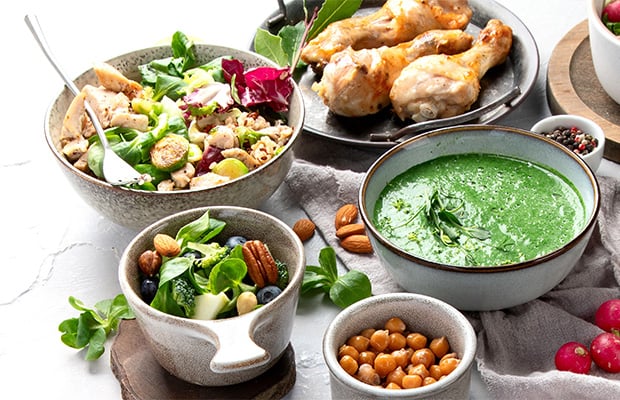
Ingredients: A Balanced Medley
- 2 cups kale, chopped
- 1 cup spinach leaves
- 1 cup arugula
- 1 red bell pepper, sliced
- 1 cup cherry tomatoes, halved
- 1 carrot, shredded
- 1 avocado, diced
- 1/4 cup walnuts, chopped
- 2 tablespoons chia seeds
- 1/4 cup feta cheese, crumbled (optional)
- 2 tablespoons avocado oil
- 1 tablespoon lemon juice
- Salt and pepper to taste
Essential Cookware and Tools
To prepare these salads efficiently, having the right tools is essential. A premium chef knife is invaluable for chopping vegetables quickly and safely. Additionally, a large salad bowl and a whisk for mixing the dressing are recommended. These tools not only make the preparation process smoother but also enhance the overall cooking experience.
Step-by-Step Preparation Guide
- Start by washing all the vegetables thoroughly. Use a salad spinner to dry the leafy greens completely.
- Chop the kale, spinach, and arugula into bite-sized pieces. Place them in a large salad bowl.
- Slice the red bell pepper and halve the cherry tomatoes. Add them to the bowl along with the shredded carrot.
- Dice the avocado and add it to the salad along with chopped walnuts and chia seeds.
- If desired, sprinkle crumbled feta cheese over the salad for added flavor.
- In a small bowl, whisk together the avocado oil, lemon juice, salt, and pepper to create the dressing.
- Pour the dressing over the salad and toss gently to combine all ingredients evenly.
- Serve immediately or refrigerate for up to an hour to allow flavors to meld.
Storing Your Salad Creations
To maintain the freshness and nutritional value of your salads, proper storage is key. If you have leftovers, store them in an airtight container in the refrigerator. It’s best to keep the dressing separate until you’re ready to serve to prevent the greens from becoming soggy. Salads can typically be stored for up to two days, but for optimal taste and texture, it’s recommended to consume them within 24 hours.
Health Benefits of Anti-Inflammatory Salads
These salads are more than just a meal; they are a gateway to better health. The combination of leafy greens, colorful vegetables, and healthy fats provides a wide array of nutrients that support the body’s natural anti-inflammatory processes. Regular consumption of these salads can help reduce the risk of chronic diseases, improve digestion, and boost overall energy levels. By incorporating these salads into your diet, you’re taking a proactive step towards a healthier lifestyle.
Conclusion
Incorporating anti-inflammatory salad recipes into your diet is a delicious and effective way to support your health. These salads are not only easy to prepare but also offer a delightful mix of flavors and textures that cater to a variety of tastes. Whether you’re looking to reduce inflammation, improve your overall health, or simply enjoy a tasty meal, these salads are a perfect choice. For more inspiration, explore this collection of anti-inflammatory recipes that are sure to tantalize your taste buds.
Care for Your Cookware
Maintaining your cookware is essential for ensuring a seamless cooking experience. After each use, clean your dutch oven and other tools with warm, soapy water and a soft sponge to prevent scratches. Proper care not only extends the life of your cookware but also ensures that each dish you prepare is cooked to perfection.