
“`html
In the quest for a healthier lifestyle, maintaining a pantry stocked with anti-inflammatory pantry staples can be a game-changer. These staples not only add flavor to your meals but also contribute significantly to reducing inflammation in the body. By incorporating these ingredients into your daily diet, you can enjoy a myriad of health benefits, from improved digestion to enhanced immunity. This article will guide you through some essential anti-inflammatory ingredients, how to use them effectively, and the benefits they offer.
Whether you’re new to the concept of anti-inflammatory eating or looking to expand your culinary repertoire, understanding the role of these pantry staples is crucial. From spices like turmeric and ginger to healthy fats such as avocado oil, each ingredient plays a unique role in combating inflammation. By integrating these items into your meals, you can create delicious dishes that support your health goals. For those interested in beverages, you might explore our anti-inflammatory ginger tea for a soothing drink option.
The Power of Spices
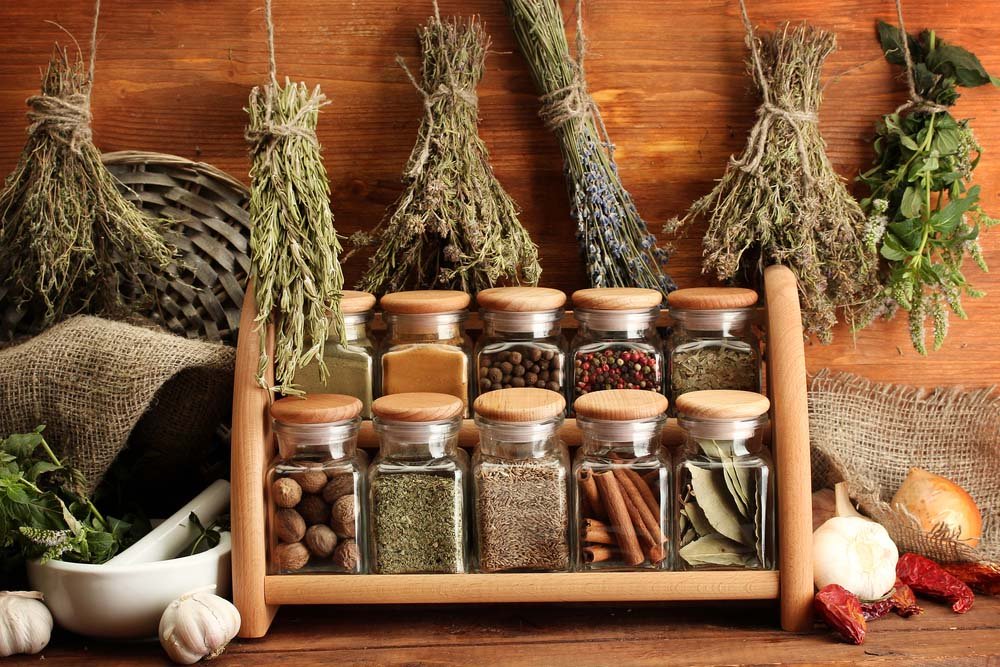
Spices are a cornerstone of any anti-inflammatory pantry. Among the most potent are turmeric and ginger, both renowned for their anti-inflammatory properties. Turmeric contains curcumin, a compound that has been extensively studied for its ability to reduce inflammation and pain. Incorporating turmeric into your diet can be as simple as adding it to soups, stews, or even smoothies. Ginger, on the other hand, is not only a versatile spice but also a powerful anti-inflammatory agent. It can be used fresh, dried, or as a powder in a variety of dishes, from savory to sweet. For a refreshing twist, consider adding ginger to your morning tea or smoothie.
To make the most of these spices, having a premium chef knife can greatly enhance your cooking experience, allowing you to chop and prepare ingredients with ease.
Healthy Fats for Inflammation
Healthy fats are another crucial component of an anti-inflammatory diet. Avocado oil, in particular, is an excellent choice due to its high content of monounsaturated fats and antioxidants. This oil is versatile and can be used for cooking, baking, or as a salad dressing. Its mild flavor makes it a suitable substitute for other oils in most recipes. Additionally, avocado oil is known for its ability to withstand high temperatures, making it ideal for frying and sautéing. By incorporating avocado oil into your meals, you can enjoy both its health benefits and culinary versatility.
Ingredients: A Balanced Medley
- 1 tablespoon turmeric powder
- 1 tablespoon ginger powder or fresh ginger
- 2 tablespoons avocado oil
- 1 cup quinoa
- 2 cups vegetable broth
- 1 cup chopped kale
- 1/2 cup cherry tomatoes, halved
- Salt and pepper to taste
Essential Cookware and Tools
Having the right cookware can make a significant difference in preparing anti-inflammatory meals. A dutch oven is perfect for making soups and stews, allowing flavors to meld beautifully while cooking evenly. Additionally, a high-quality chef knife is indispensable for chopping vegetables and herbs efficiently. Investing in these tools can enhance your cooking experience and ensure that you can prepare meals with ease and precision.
Step-by-Step Preparation Guide
- Begin by rinsing the quinoa under cold water to remove any bitterness. Set aside.
- In a dutch oven, heat the avocado oil over medium heat. Add the turmeric and ginger, stirring for about 1 minute until fragrant.
- Add the rinsed quinoa to the pot, stirring to coat it with the spices and oil.
- Pour in the vegetable broth and bring to a boil. Reduce the heat to low, cover, and simmer for about 15 minutes or until the quinoa is cooked and the liquid is absorbed.
- Stir in the chopped kale and cherry tomatoes, cooking for an additional 5 minutes until the kale is wilted.
- Season with salt and pepper to taste before serving.
Storing Your Anti-Inflammatory Dish
Proper storage of your prepared dishes ensures that you can enjoy them at a later time without compromising on flavor or nutritional value. Once the dish has cooled, transfer it to an airtight container and store it in the refrigerator for up to three days. For longer storage, consider freezing individual portions. When ready to eat, simply reheat the dish on the stove or in the microwave until warmed through. This method of storage and reheating helps retain the dish’s texture and taste, making it a convenient option for meal prep.
Health Benefits of Anti-Inflammatory Ingredients
Incorporating anti-inflammatory ingredients into your diet offers numerous health benefits. These foods can help reduce chronic inflammation, which is linked to various health issues such as heart disease, arthritis, and certain cancers. By regularly consuming ingredients like turmeric, ginger, and healthy fats, you can support your body’s natural defenses and promote overall well-being. Additionally, these ingredients are rich in antioxidants, which help protect your cells from damage caused by free radicals. For more recipe ideas, check out this collection of best anti-inflammatory recipes.
Conclusion
Stocking your pantry with anti-inflammatory staples is a proactive step towards a healthier lifestyle. By understanding the benefits of these ingredients and how to incorporate them into your meals, you can enjoy delicious dishes that support your health goals. Whether you’re preparing a simple quinoa salad or a hearty stew, these staples provide the foundation for flavorful and nutritious meals. Embrace the power of anti-inflammatory foods and transform your cooking and eating habits for the better.
Care for Your Cookware
Proper care of your cookware ensures longevity and optimal performance. For your dutch oven, avoid using metal utensils that can scratch the surface. Instead, opt for wooden or silicone tools. After each use, clean it with warm soapy water and dry thoroughly to prevent rusting. For your premium chef knife, hand wash it immediately after use and dry it completely before storing. Regularly honing the blade will maintain its sharpness, making your cooking experience more efficient and enjoyable. By taking care of your cookware, you ensure that it remains a reliable part of your kitchen arsenal for years to come.
“`