
Creating a meal plan that focuses on reducing inflammation can significantly improve your overall health and well-being. By incorporating a variety of anti-inflammatory foods, you can help your body fight against chronic inflammation, which is linked to numerous health issues. In this guide, we will explore some practical and delicious anti-inflammatory meal plan ideas that you can easily incorporate into your daily routine. Whether you’re looking to boost your immune system or simply want to enjoy a healthier lifestyle, these meal ideas are designed to provide you with the nutrients you need.
One of the key aspects of an anti-inflammatory diet is the inclusion of whole, unprocessed foods that are rich in antioxidants, omega-3 fatty acids, and other essential nutrients. By focusing on these foods, you can help reduce inflammation and promote better health. Additionally, these meal plan ideas are not only beneficial for reducing inflammation but also offer a variety of flavors and textures to keep your meals exciting and satisfying. As you explore these ideas, consider pairing them with an anti-inflammatory ginger tea for an added boost of health benefits.

Exploring the Ingredients
When it comes to crafting an anti-inflammatory meal plan, the ingredients you choose play a crucial role. Opt for foods that are rich in antioxidants, such as berries, leafy greens, and nuts. These foods help combat oxidative stress in the body, which can lead to inflammation. Additionally, incorporating fatty fish like salmon and mackerel provides a healthy dose of omega-3 fatty acids, known for their powerful anti-inflammatory properties. Whole grains, such as quinoa and brown rice, are also excellent choices as they provide fiber and essential nutrients without causing spikes in blood sugar levels.
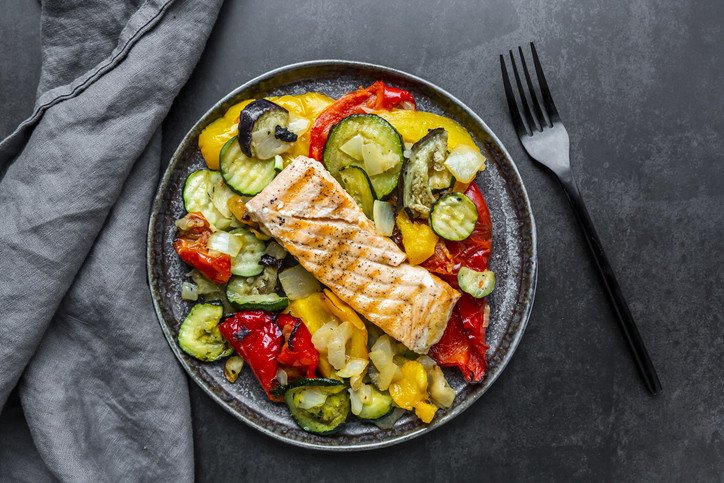
Another essential component of an anti-inflammatory diet is the inclusion of healthy fats. Avocado, olive oil, and nuts are excellent sources of monounsaturated fats, which can help reduce inflammation. For cooking, consider using avocado oil, which has a high smoke point and is rich in heart-healthy fats. Spices like turmeric and ginger are also beneficial, as they contain compounds that have been shown to reduce inflammation and improve overall health.
Ingredients: A Balanced Medley
- 1 cup quinoa
- 2 cups spinach
- 1 cup blueberries
- 1 avocado
- 2 tablespoons olive oil
- 1 teaspoon turmeric
- 1 tablespoon ginger, grated
- 2 salmon fillets
- 1 cup cherry tomatoes
- 1/4 cup almonds
- Salt and pepper to taste
Essential Cookware and Tools
To prepare these anti-inflammatory meals efficiently, having the right cookware and tools is essential. A dutch oven is perfect for cooking grains like quinoa and for simmering soups and stews. A premium chef knife is indispensable for chopping vegetables and fruits with precision. Additionally, a high-quality blender can be useful for making smoothies and blending soups to a creamy consistency.
Step-by-Step Preparation Guide
Creating a delicious and nutritious anti-inflammatory meal plan is simple with the right steps. Begin by rinsing the quinoa under cold water to remove any bitterness. Cook the quinoa in a dutch oven with two cups of water, bringing it to a boil before reducing the heat to a simmer. Cover and cook for about 15 minutes or until the water is absorbed and the quinoa is fluffy. Meanwhile, season the salmon fillets with salt, pepper, and a sprinkle of turmeric. Heat a tablespoon of avocado oil in a skillet over medium heat and cook the salmon for about 4-5 minutes on each side, or until it flakes easily with a fork.
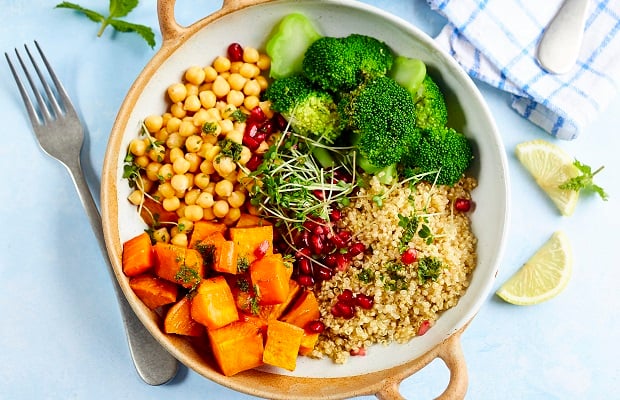
While the salmon is cooking, prepare the salad by combining spinach, cherry tomatoes, blueberries, and sliced avocado in a large bowl. Drizzle with olive oil and toss gently to combine. Once the quinoa and salmon are ready, serve them alongside the salad, topped with a sprinkle of almonds for added crunch and nutrition. This meal is not only vibrant and flavorful but also packed with anti-inflammatory ingredients that will nourish your body.
Storing Your Anti-Inflammatory Meals
Proper storage of your meals is crucial to maintaining their freshness and nutritional value. Store any leftover quinoa and salmon in airtight containers in the refrigerator for up to three days. The salad can be stored separately, but it’s best to keep the dressing on the side to prevent the greens from wilting. If you plan to make these meals in advance, consider preparing the ingredients separately and combining them just before serving to ensure optimal taste and texture.
Health Benefits of an Anti-Inflammatory Diet
Adopting an anti-inflammatory diet offers numerous health benefits, including reduced risk of chronic diseases such as heart disease, diabetes, and certain cancers. The antioxidants found in fruits and vegetables help neutralize free radicals, reducing oxidative stress and inflammation. Omega-3 fatty acids from fish and nuts support heart health and brain function, while fiber from whole grains aids in digestion and helps maintain stable blood sugar levels. By incorporating these foods into your diet, you can promote overall health and well-being.
Conclusion
Incorporating these anti-inflammatory meal plan ideas into your daily routine can have a profound impact on your health. By focusing on whole, nutrient-dense foods, you can reduce inflammation and support your body’s natural healing processes. Remember to pair these meals with other healthy lifestyle choices, such as regular exercise and adequate hydration, for the best results. For more inspiration, explore our anti-inflammatory tonic drink recipes to complement your meals.
Care for Your Cookware
Maintaining your cookware is essential for ensuring its longevity and performance. After each use, clean your dutch oven and skillet with warm, soapy water and dry them thoroughly to prevent rust. Avoid using abrasive cleaners or metal utensils that can damage the surface. Regularly sharpen your chef knife to maintain its precision and effectiveness. By taking care of your cookware, you can continue to create delicious and healthy meals for years to come.