
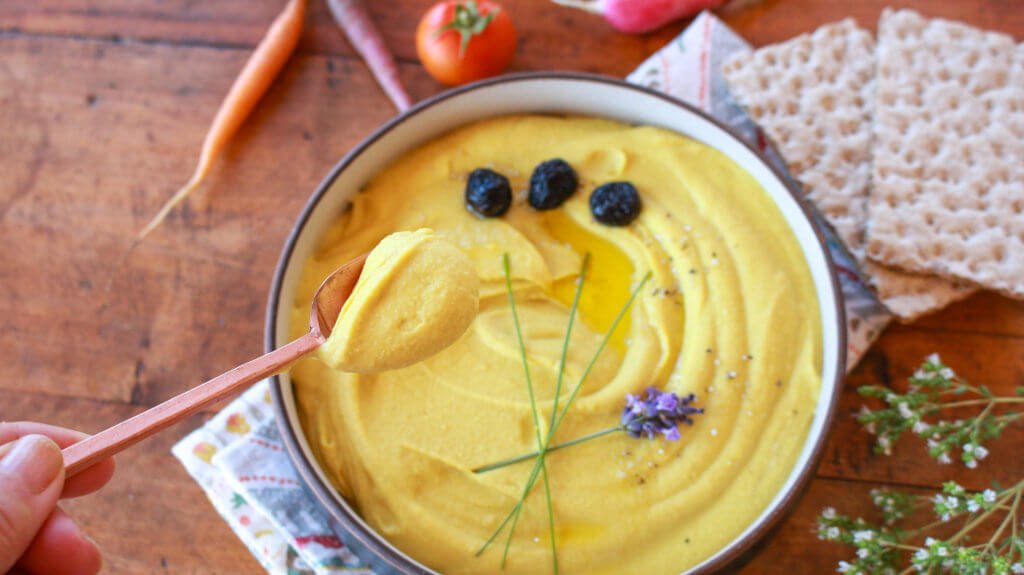
Discover the delightful world of anti-inflammatory hummus recipes, where flavor meets health benefits. These recipes are not only delicious but also packed with ingredients known for their anti-inflammatory properties. Whether you’re looking to add more plant-based options to your diet or simply want to enjoy a tasty snack, these hummus variations are sure to please your palate and support your well-being.
Hummus, a traditional Middle Eastern dip, is typically made from chickpeas, tahini, lemon juice, and garlic. However, by incorporating anti-inflammatory ingredients such as turmeric, ginger, and various herbs, you can elevate this classic dish into a powerhouse of nutrition. These recipes are perfect for those who want to enjoy a flavorful snack while reaping the benefits of anti-inflammatory foods.
If you’re new to plant-based eating, you might find our easy vegan meal plan helpful. It provides a comprehensive guide to incorporating more plant-based meals into your diet, including delicious hummus recipes like the ones we’ll explore here.
Turmeric Hummus: A Golden Delight
Turmeric is a spice that has been used for centuries in traditional medicine due to its powerful anti-inflammatory properties. When added to hummus, it not only imparts a beautiful golden color but also enhances the health benefits of this beloved dip. The subtle earthy flavor of turmeric pairs perfectly with the creamy texture of hummus, creating a delightful snack that is both nutritious and satisfying.

To make this golden delight, you’ll need a few key ingredients, including chickpeas, tahini, lemon juice, garlic, and of course, turmeric. For an added twist, consider using avocado oil instead of olive oil. Avocado oil is rich in monounsaturated fats and has its own anti-inflammatory benefits, making it a perfect addition to this recipe.
Ginger and Lemon Hummus: A Zesty Twist
Ginger is another ingredient renowned for its anti-inflammatory effects. When combined with the zesty flavor of lemon, it creates a refreshing and invigorating hummus that is perfect for any occasion. The warmth of ginger complements the tanginess of lemon, resulting in a harmonious blend of flavors that will tantalize your taste buds.

To prepare this zesty hummus, you’ll need chickpeas, tahini, lemon juice, garlic, and fresh ginger. A premium chef knife will come in handy for finely chopping the ginger, ensuring that its flavor is evenly distributed throughout the hummus.
Ingredients: A Balanced Medley
- 1 can (15 oz) chickpeas, drained and rinsed
- 1/4 cup tahini
- 2 tablespoons lemon juice
- 2 cloves garlic, minced
- 1 tablespoon turmeric powder
- 1 tablespoon fresh ginger, grated
- 2 tablespoons avocado oil
- Salt and pepper to taste
Essential Cookware and Tools
To create these delicious hummus recipes, having the right tools on hand can make all the difference. A dutch oven is perfect for cooking chickpeas to the ideal tenderness, while a high-quality blender or food processor will ensure a smooth and creamy texture. Additionally, a premium chef knife is essential for chopping ingredients like garlic and ginger with precision.
Step-by-Step Preparation Guide
- Begin by preparing your chickpeas. If using canned chickpeas, drain and rinse them thoroughly. If using dried chickpeas, soak them overnight and cook them in a dutch oven until tender.
- In a blender or food processor, combine the chickpeas, tahini, lemon juice, garlic, turmeric, ginger, and avocado oil. Blend until smooth and creamy.
- Season the hummus with salt and pepper to taste. If the mixture is too thick, add a little water or more lemon juice to reach your desired consistency.
- Transfer the hummus to a serving bowl and garnish with a drizzle of avocado oil and a sprinkle of turmeric or fresh herbs, if desired.
- Serve with fresh vegetables, pita bread, or use as a spread in sandwiches and wraps.
Storing Your Hummus Creations
Once you’ve prepared your hummus, storing it properly will ensure it stays fresh and flavorful. Place the hummus in an airtight container and refrigerate it for up to a week. If you find that the hummus thickens over time, simply stir in a little water or lemon juice to restore its creamy texture. For longer storage, you can freeze the hummus in a freezer-safe container for up to three months. Thaw it in the refrigerator before serving, and give it a good stir to recombine any separated ingredients.
Health Benefits of Anti-Inflammatory Hummus
Incorporating anti-inflammatory hummus into your diet can offer numerous health benefits. Ingredients like turmeric and ginger are known for their ability to reduce inflammation in the body, which can help alleviate symptoms of chronic conditions such as arthritis and heart disease. Additionally, chickpeas are a great source of plant-based protein and fiber, promoting digestive health and keeping you feeling full and satisfied. By enjoying these hummus recipes, you’re not only treating your taste buds but also supporting your overall well-being.
Conclusion
These anti-inflammatory hummus recipes are a delicious and nutritious way to incorporate more health-boosting ingredients into your diet. Whether you prefer the golden hue of turmeric hummus or the zesty kick of ginger and lemon, these recipes offer a delightful twist on a classic favorite. For more plant-based meal ideas, explore our plant based bowl recipes for healthy meals that are both satisfying and nourishing.
Care for Your Cookware
Proper care of your cookware and tools will ensure they last for years to come. After using your dutch oven, be sure to clean it thoroughly and dry it completely to prevent rust. Store your premium chef knife in a knife block or magnetic strip to protect its blade, and regularly sharpen it to maintain its cutting efficiency. By taking good care of your kitchen tools, you’ll be able to enjoy making these delicious hummus recipes and many more.