
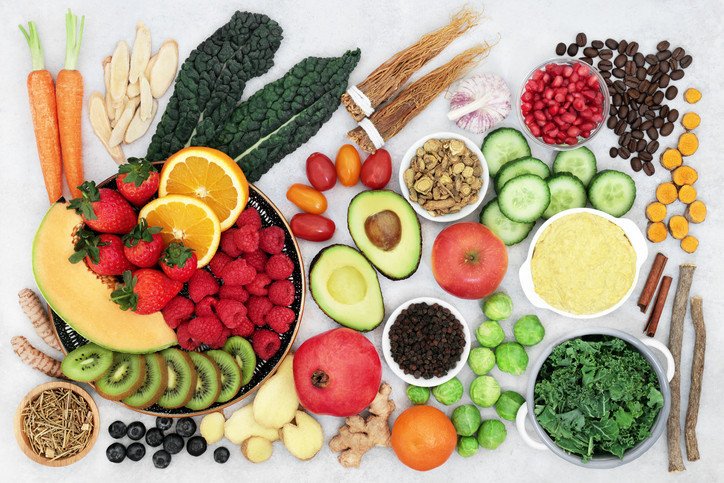
Creating an anti-inflammatory grocery list is an excellent way to start your journey towards a healthier lifestyle. This list focuses on foods that help reduce inflammation in the body, which is a key factor in many chronic diseases. By incorporating these foods into your diet, you can help manage inflammation and improve your overall well-being. Whether you’re new to this concept or looking to refine your current diet, this guide will provide you with the essential information you need to make informed choices.
Inflammation is a natural process that helps the body heal and fight off infections. However, when it becomes chronic, it can lead to various health issues such as heart disease, arthritis, and diabetes. By focusing on an anti-inflammatory diet, you can help mitigate these risks. This involves choosing foods that are rich in antioxidants, omega-3 fatty acids, and other nutrients that combat inflammation. In this article, we’ll explore the key components of an anti-inflammatory grocery list and how you can incorporate them into your daily meals.
For those who are also exploring plant-based diets, you might find our easy vegan meal plan helpful as it aligns well with anti-inflammatory principles. Now, let’s dive into the essentials of creating your own anti-inflammatory grocery list.
Whole Grains and Legumes
Whole grains and legumes are staples in an anti-inflammatory diet. Foods like quinoa, brown rice, and oats are rich in fiber and nutrients that help reduce inflammation. Legumes such as lentils, chickpeas, and black beans are excellent sources of protein and fiber, making them ideal for maintaining a balanced diet. These foods are not only nutritious but also versatile, allowing you to incorporate them into a variety of dishes. Whether you’re making a hearty stew or a refreshing salad, whole grains and legumes can be a delicious and healthy addition to your meals.

When preparing these ingredients, having a reliable dutch oven can make the cooking process more efficient and enjoyable. This versatile cookware is perfect for slow-cooking grains and legumes, allowing their flavors to fully develop.
Fruits and Vegetables
Fruits and vegetables are essential components of an anti-inflammatory grocery list. They are packed with vitamins, minerals, and antioxidants that help fight inflammation. Berries, such as blueberries and strawberries, are particularly beneficial due to their high antioxidant content. Leafy greens like spinach and kale are also excellent choices, as they provide a wealth of nutrients that support overall health. Incorporating a variety of colorful fruits and vegetables into your diet can help ensure you’re getting a broad spectrum of nutrients to combat inflammation.
Ingredients: A Balanced Medley
- Quinoa
- Brown Rice
- Oats
- Lentils
- Chickpeas
- Black Beans
- Blueberries
- Strawberries
- Spinach
- Kale
- Avocado Oil
- Turmeric
- Ginger
- Garlic
Essential Cookware and Tools
Having the right tools can make preparing an anti-inflammatory diet more manageable and enjoyable. A premium chef knife is indispensable for chopping fruits and vegetables efficiently. Additionally, using avocado oil in your cooking can enhance flavors while providing healthy fats that support an anti-inflammatory lifestyle.
Step-by-Step Preparation Guide
Preparing meals from your anti-inflammatory grocery list can be a rewarding experience. Here’s a simple guide to get you started:
- Begin by washing and prepping all your fruits and vegetables. Use your premium chef knife for precise cuts.
- Cook your grains and legumes in a dutch oven for optimal flavor and texture.
- Incorporate spices like turmeric and ginger to enhance the anti-inflammatory properties of your dishes.
- Use avocado oil for sautéing vegetables, adding a rich, nutty flavor.
- Create balanced meals by combining grains, legumes, and a variety of fruits and vegetables.
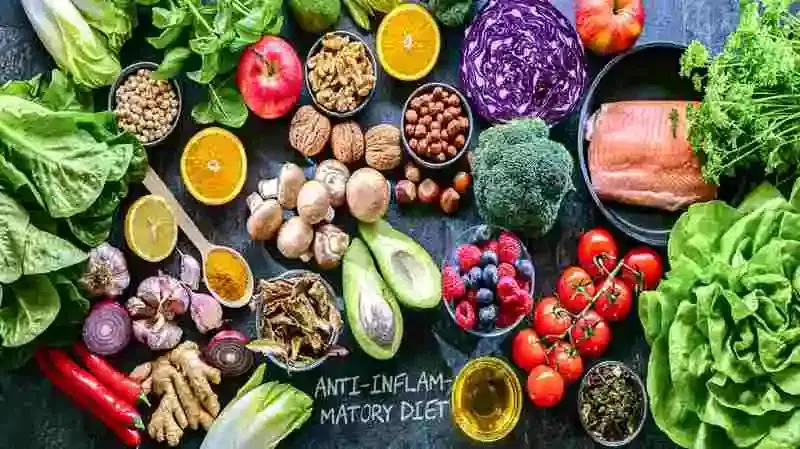
Storing Your Anti-Inflammatory Ingredients
Proper storage is crucial for maintaining the freshness and nutritional value of your ingredients. Store grains and legumes in airtight containers to keep them dry and free from pests. Fruits and vegetables should be stored in the refrigerator to preserve their freshness. For longer shelf life, consider freezing berries and leafy greens. This not only helps in retaining their nutrients but also ensures you have a steady supply of anti-inflammatory foods on hand.
Health Benefits of an Anti-Inflammatory Diet
Adopting an anti-inflammatory diet offers numerous health benefits. It can help reduce the risk of chronic diseases, improve heart health, and promote better digestion. Foods rich in omega-3 fatty acids, such as nuts and seeds, support brain health and reduce inflammation. Antioxidant-rich fruits and vegetables help combat oxidative stress, which is linked to aging and disease. By focusing on an anti-inflammatory diet, you can enhance your overall health and well-being.
Conclusion
Creating an anti-inflammatory grocery list is a proactive step towards a healthier lifestyle. By choosing foods that reduce inflammation, you can support your body’s natural healing processes and protect against chronic diseases. Remember to incorporate a variety of whole grains, legumes, fruits, and vegetables into your diet. With the right tools and ingredients, you can enjoy delicious meals that nourish your body and promote long-term health.
Care for Your Cookware
Maintaining your cookware is essential for ensuring its longevity and performance. After each use, clean your dutch oven and other tools with mild soap and water. Avoid using abrasive materials that can damage the surface. Regular maintenance will keep your cookware in top condition, allowing you to continue preparing healthy, anti-inflammatory meals with ease.