

In today’s health-conscious world, many individuals are turning to anti-inflammatory gluten-free recipes to support their well-being. These recipes not only cater to those with gluten sensitivities but also aim to reduce inflammation, a common culprit behind various chronic conditions. By incorporating a variety of wholesome ingredients, these dishes provide a delicious way to maintain a balanced diet while addressing specific health needs. Whether you’re looking to manage arthritis symptoms or simply want to enjoy a healthier lifestyle, these recipes offer a flavorful solution.
Exploring the world of anti-inflammatory gluten-free recipes opens up a realm of culinary possibilities. With an emphasis on fresh vegetables, lean proteins, and healthy fats, these recipes are designed to nourish the body and soothe inflammation. By eliminating gluten, a common inflammatory agent, and focusing on nutrient-rich foods, these dishes can help reduce inflammation and promote overall health. From vibrant salads to hearty main courses, there’s something for everyone to enjoy.
For those interested in expanding their culinary repertoire, our collection of anti-inflammatory paleo recipes offers an excellent starting point. These recipes are not only gluten-free but also adhere to the principles of the paleo diet, providing a comprehensive approach to healthy eating. By incorporating these recipes into your meal plan, you can enjoy the benefits of a diet rich in anti-inflammatory foods while exploring new flavors and textures.
Ingredient Highlights: Nature’s Bounty
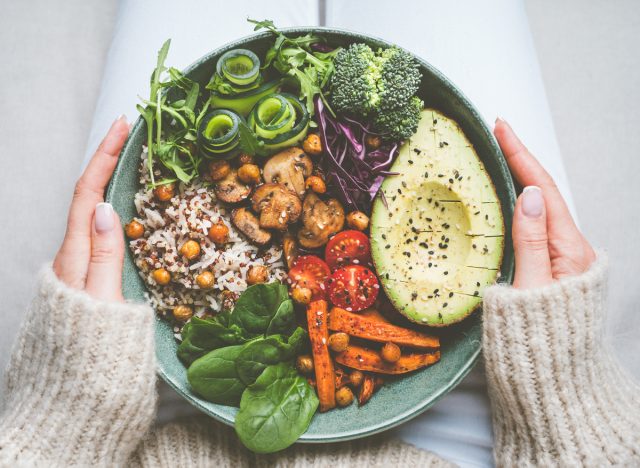
When crafting anti-inflammatory gluten-free recipes, selecting the right ingredients is crucial. Fresh vegetables like kale, spinach, and broccoli are packed with antioxidants and vitamins that combat inflammation. Berries, such as blueberries and strawberries, are excellent sources of polyphenols, which have been shown to reduce inflammatory markers in the body. Additionally, incorporating nuts and seeds, like almonds and chia seeds, provides essential fatty acids that support overall health. These ingredients not only add flavor and texture to your dishes but also contribute to their anti-inflammatory properties.
Proteins: The Building Blocks
Proteins play a vital role in anti-inflammatory gluten-free recipes, offering essential amino acids and nutrients. Lean proteins such as chicken, turkey, and fish are excellent choices, as they are low in saturated fats and high in omega-3 fatty acids, which have been shown to reduce inflammation. For plant-based options, consider incorporating legumes like lentils and chickpeas, which are rich in fiber and protein. These ingredients not only provide the necessary nutrients for muscle repair and growth but also help maintain a balanced diet that supports overall health.

Ingredients: A Balanced Medley
- 2 cups kale, chopped
- 1 cup blueberries
- 1 cup quinoa
- 2 tablespoons chia seeds
- 1 pound chicken breast, diced
- 2 tablespoons avocado oil
- 1 lemon, juiced
- Salt and pepper to taste
Essential Cookware and Tools
To prepare these delicious anti-inflammatory gluten-free recipes, having the right tools is essential. A dutch oven is perfect for simmering soups and stews, allowing flavors to meld beautifully. A premium chef knife is indispensable for chopping vegetables and proteins with precision. These tools not only make the cooking process more efficient but also enhance the overall experience, allowing you to create dishes that are both visually appealing and delicious.
Step-by-Step Preparation Guide
- Begin by rinsing the quinoa under cold water. Cook it according to package instructions, then set aside to cool.
- In a large bowl, combine the chopped kale, blueberries, and chia seeds. Toss gently to mix.
- Heat the avocado oil in a skillet over medium heat. Add the diced chicken breast and cook until golden brown and fully cooked.
- Add the cooked quinoa to the kale mixture, followed by the cooked chicken. Drizzle with lemon juice and season with salt and pepper.
- Toss the salad gently to combine all ingredients. Serve immediately or refrigerate for later use.
Storing Your Anti-Inflammatory Dish
Proper storage is key to maintaining the freshness and flavor of your anti-inflammatory gluten-free recipes. Once prepared, transfer the dish to an airtight container and store it in the refrigerator. This will keep the ingredients fresh and prevent any unwanted flavors from developing. For best results, consume the dish within three days. If you plan to store it for a longer period, consider freezing individual portions. This not only extends the shelf life but also provides a convenient meal option for busy days.
Health Benefits of Gluten-Free Anti-Inflammatory Recipes
Incorporating anti-inflammatory gluten-free recipes into your diet offers numerous health benefits. These recipes are designed to reduce inflammation, which is linked to various chronic conditions such as arthritis, heart disease, and diabetes. By focusing on nutrient-dense ingredients, these dishes provide essential vitamins, minerals, and antioxidants that support overall health. Additionally, eliminating gluten can improve digestion and reduce symptoms in individuals with gluten sensitivities. By embracing these recipes, you can enjoy delicious meals while promoting a healthier lifestyle.
Conclusion
Embracing anti-inflammatory gluten-free recipes is a step towards a healthier and more balanced lifestyle. These recipes not only cater to those with specific dietary needs but also offer a delicious way to enjoy meals that support overall health. By incorporating a variety of fresh vegetables, lean proteins, and healthy fats, you can create dishes that are both satisfying and nourishing. Whether you’re new to this dietary approach or looking to expand your culinary repertoire, these recipes provide a flavorful and health-conscious solution.
Care for Your Cookware
Maintaining your cookware is essential for ensuring its longevity and performance. After preparing your anti-inflammatory gluten-free recipes, clean your dutch oven and other tools with warm, soapy water. Avoid using abrasive cleaners that can damage the surface. For your premium chef knife, hand wash and dry immediately to prevent rust and maintain sharpness. Proper care not only extends the life of your cookware but also ensures that your culinary creations are always of the highest quality.