
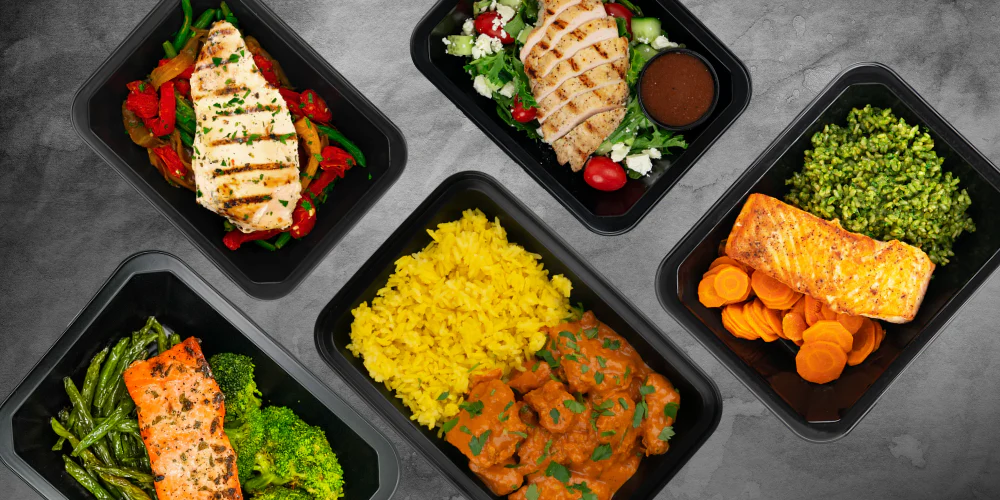
Embarking on a journey towards a healthier lifestyle can be both exciting and daunting, especially when it comes to meal preparation. For those new to the concept, anti-inflammatory food prep for beginners offers a practical and effective way to reduce inflammation and enhance overall well-being. This approach not only focuses on incorporating nutrient-rich ingredients but also emphasizes the importance of planning and preparing meals that are both delicious and beneficial for your health. By understanding the basics of anti-inflammatory foods, you can create meals that support your body’s natural healing processes and promote long-term health.
In this comprehensive guide, we will explore the essentials of anti-inflammatory food prep, providing you with valuable insights and practical tips to get started. From understanding the key ingredients to mastering the art of meal preparation, this article will equip you with the knowledge and skills needed to make informed choices in the kitchen. Whether you’re looking to improve your diet or simply want to explore new culinary horizons, this guide will serve as your roadmap to success.
Before diving into the specifics, it’s important to recognize the role that inflammation plays in our bodies. While inflammation is a natural response to injury or infection, chronic inflammation can lead to a host of health issues, including heart disease, diabetes, and autoimmune disorders. By incorporating anti-inflammatory foods into your diet, you can help mitigate these risks and support your body’s natural defenses. For more ideas on incorporating healthy meals into your diet, check out our easy vegan meal plan.
Understanding Key Ingredients
When it comes to anti-inflammatory food prep, selecting the right ingredients is crucial. Foods rich in antioxidants, omega-3 fatty acids, and polyphenols are known for their anti-inflammatory properties. Common ingredients include leafy greens, berries, nuts, seeds, and fatty fish. These foods not only help reduce inflammation but also provide essential nutrients that support overall health. Incorporating a variety of these ingredients into your meals can help ensure a balanced and nutritious diet.

Exploring Flavorful Spices and Herbs
Spices and herbs are not only a great way to add flavor to your dishes but also offer a range of health benefits. Turmeric, ginger, garlic, and cinnamon are just a few examples of spices that have been shown to possess anti-inflammatory properties. These ingredients can be easily incorporated into a variety of dishes, from soups and stews to smoothies and teas. By experimenting with different combinations, you can create meals that are both flavorful and beneficial for your health.
Ingredients: A Balanced Medley
- 1 cup of quinoa
- 2 cups of spinach
- 1 cup of blueberries
- 1/2 cup of walnuts
- 2 tablespoons of chia seeds
- 1 tablespoon of turmeric powder
- 1 tablespoon of ginger, grated
- 2 cloves of garlic, minced
- 2 tablespoons of avocado oil
- Salt and pepper to taste
Essential Cookware and Tools
Having the right tools in your kitchen can make meal preparation more efficient and enjoyable. A quality dutch oven is perfect for cooking stews and soups, while a premium chef knife is essential for chopping and slicing ingredients with precision. Investing in high-quality cookware and tools can enhance your cooking experience and help you achieve better results in the kitchen.
Step-by-Step Preparation Guide
- Begin by rinsing the quinoa under cold water. Cook it according to the package instructions, then set aside to cool.
- In a large bowl, combine the spinach, blueberries, walnuts, and chia seeds. Toss gently to mix the ingredients.
- In a small bowl, mix the turmeric powder, grated ginger, minced garlic, and avocado oil. Whisk until well combined.
- Pour the dressing over the salad mixture and toss to coat evenly. Season with salt and pepper to taste.
- Serve the salad with the cooked quinoa on the side or mixed in, depending on your preference.
Storing Your Anti-Inflammatory Meals
Proper storage is key to maintaining the freshness and nutritional value of your prepared meals. Store your anti-inflammatory dishes in airtight containers in the refrigerator for up to three days. For longer storage, consider freezing individual portions, which can be easily reheated for a quick and healthy meal. By planning your meals in advance and storing them correctly, you can ensure that you always have nutritious options on hand.
Health Benefits of Anti-Inflammatory Foods
Incorporating anti-inflammatory foods into your diet offers a multitude of health benefits. These foods can help reduce the risk of chronic diseases, improve digestion, and support a healthy immune system. Additionally, they can aid in weight management and promote better mental health. By prioritizing anti-inflammatory ingredients in your meal prep, you can take proactive steps towards achieving optimal health and well-being.
Conclusion
Embarking on an anti-inflammatory food prep journey can be a rewarding and transformative experience. By understanding the key ingredients, utilizing essential cookware, and following a structured preparation guide, you can create meals that are both delicious and beneficial for your health. Remember, the key to success lies in consistency and making informed choices that align with your health goals. For more inspiration, explore our plant based bowl recipes to further diversify your meal options.
Care for Your Cookware
To ensure the longevity of your cookware, it’s important to follow proper care and maintenance practices. After each use, clean your dutch oven and other kitchen tools with warm, soapy water and a non-abrasive sponge. Avoid using harsh chemicals or abrasive materials that can damage the surface. Regularly check for any signs of wear and tear, and replace items as needed to maintain a safe and efficient cooking environment.