

Are you looking for a delicious and nutritious meal that can help reduce inflammation in your body? Look no further than the anti-inflammatory buddha bowl. This vibrant dish is not only a feast for the eyes but also a powerhouse of health benefits. Packed with colorful vegetables, wholesome grains, and lean proteins, this bowl is designed to nourish your body and soothe inflammation. Whether you’re new to anti-inflammatory eating or a seasoned pro, this recipe is a delightful way to incorporate more anti-inflammatory foods into your diet.
The beauty of a buddha bowl lies in its versatility and balance. By combining a variety of ingredients, you can create a meal that is both satisfying and beneficial for your health. The anti-inflammatory buddha bowl is no exception. With its rich array of vegetables, healthy fats, and plant-based proteins, it offers a harmonious blend of flavors and textures. This bowl is not only a treat for your taste buds but also a boost for your overall well-being. For more ideas on incorporating anti-inflammatory foods into your meals, check out these anti-inflammatory family meals.
Ingredients: A Balanced Medley
Creating an anti-inflammatory buddha bowl starts with selecting the right ingredients. Each component plays a crucial role in delivering the desired health benefits. The base of the bowl typically consists of whole grains such as quinoa or brown rice, which provide a hearty and nutritious foundation. These grains are rich in fiber and essential nutrients, contributing to a balanced meal. Adding a variety of colorful vegetables not only enhances the visual appeal but also boosts the nutritional profile. Vegetables like kale, sweet potatoes, and bell peppers are excellent choices due to their high antioxidant content.
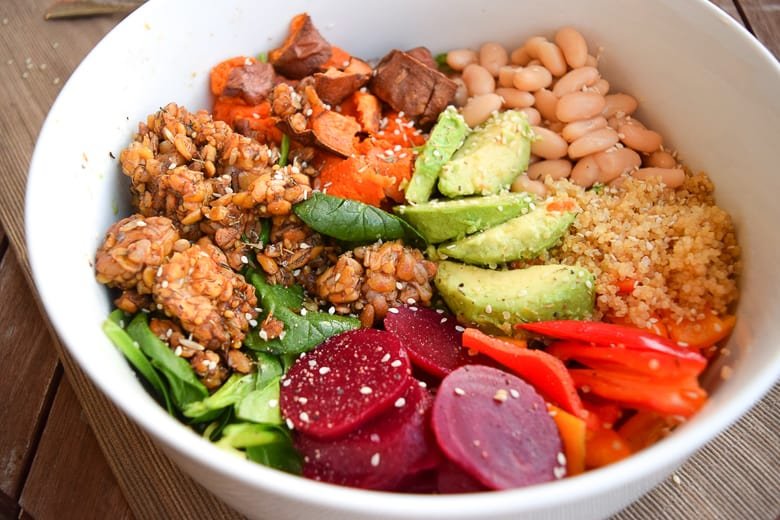
To further enhance the anti-inflammatory properties, include healthy fats such as avocado or a drizzle of avocado oil. These fats are known for their ability to reduce inflammation and support heart health. Additionally, incorporating plant-based proteins like chickpeas or tofu ensures that the bowl is both filling and nutritious. These proteins are not only rich in essential amino acids but also help in maintaining muscle health.
- 1 cup quinoa, cooked
- 1 sweet potato, diced
- 1 cup kale, chopped
- 1 bell pepper, sliced
- 1/2 cup chickpeas, cooked
- 1 avocado, sliced
- 2 tablespoons avocado oil
- Salt and pepper to taste
Essential Cookware and Tools
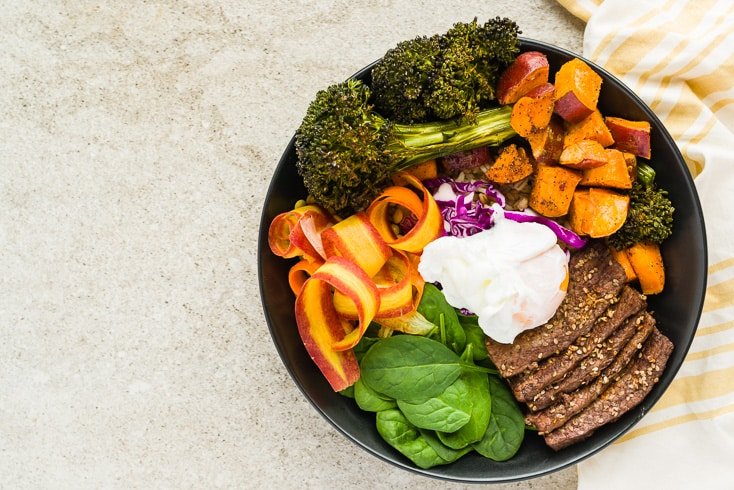
Preparing an anti-inflammatory buddha bowl requires some essential cookware and tools to ensure a seamless cooking experience. A dutch oven is perfect for cooking grains like quinoa, as it provides even heat distribution and retains moisture. This versatile piece of cookware can also be used for roasting vegetables, making it a valuable addition to your kitchen. A premium chef knife is another must-have tool, allowing you to effortlessly chop and slice ingredients with precision.
Step-by-Step Preparation Guide
Follow these detailed steps to create your own anti-inflammatory buddha bowl:
- Start by cooking the quinoa according to package instructions. Once cooked, set it aside to cool.
- Preheat your oven to 400°F (200°C). Place the diced sweet potato on a baking sheet, drizzle with avocado oil, and season with salt and pepper. Roast for 25-30 minutes until tender.
- While the sweet potato is roasting, prepare the kale by removing the stems and chopping the leaves. Massage the kale with a little avocado oil to soften it.
- Slice the bell pepper and set aside. Drain and rinse the chickpeas if using canned.
- In a large bowl, combine the cooked quinoa, roasted sweet potato, kale, bell pepper, and chickpeas. Toss gently to mix.
- Top the bowl with sliced avocado and drizzle with additional avocado oil if desired.
- Season with salt and pepper to taste. Serve immediately and enjoy!
Storing Your Buddha Bowl
To store your anti-inflammatory buddha bowl, keep the components separate until ready to eat. Store cooked quinoa, roasted sweet potatoes, and chickpeas in airtight containers in the refrigerator for up to four days. Fresh vegetables like kale and bell peppers should be stored separately to maintain their crispness. When you’re ready to enjoy your bowl, simply assemble the ingredients and add fresh avocado before serving. This method ensures that each component retains its flavor and texture, providing a fresh and satisfying meal every time.
Health Benefits of Buddha Bowls
The anti-inflammatory buddha bowl is more than just a delicious meal; it’s a health-boosting powerhouse. The combination of colorful vegetables, whole grains, and healthy fats provides a wide range of nutrients that support overall health. The antioxidants found in vegetables help combat oxidative stress and reduce inflammation, while the fiber from grains aids in digestion and promotes a healthy gut. Healthy fats like those found in avocado and avocado oil are known for their anti-inflammatory properties and support heart health. By incorporating this bowl into your diet, you can enjoy a flavorful meal that nourishes your body and supports your well-being.
Conclusion
Incorporating an anti-inflammatory buddha bowl into your meal rotation is a delicious way to support your health and well-being. With its vibrant colors, diverse textures, and rich flavors, this bowl is not only a treat for the senses but also a nutritional powerhouse. By using wholesome ingredients and following the simple preparation steps, you can create a meal that is both satisfying and beneficial for your body. For more anti-inflammatory recipes, explore this collection of anti-inflammatory recipes that can inspire your culinary journey.
Care for Your Cookware
Proper care of your cookware ensures longevity and optimal performance. After using your dutch oven, allow it to cool before washing. Use warm soapy water and a soft sponge to clean, avoiding abrasive materials that can damage the enamel. Dry thoroughly to prevent rust. Your premium chef knife should be hand washed and dried immediately to maintain its sharpness. Store it safely in a knife block or magnetic strip to protect the blade. By following these care tips, you can ensure that your cookware and tools remain in excellent condition, ready for your next culinary adventure.