
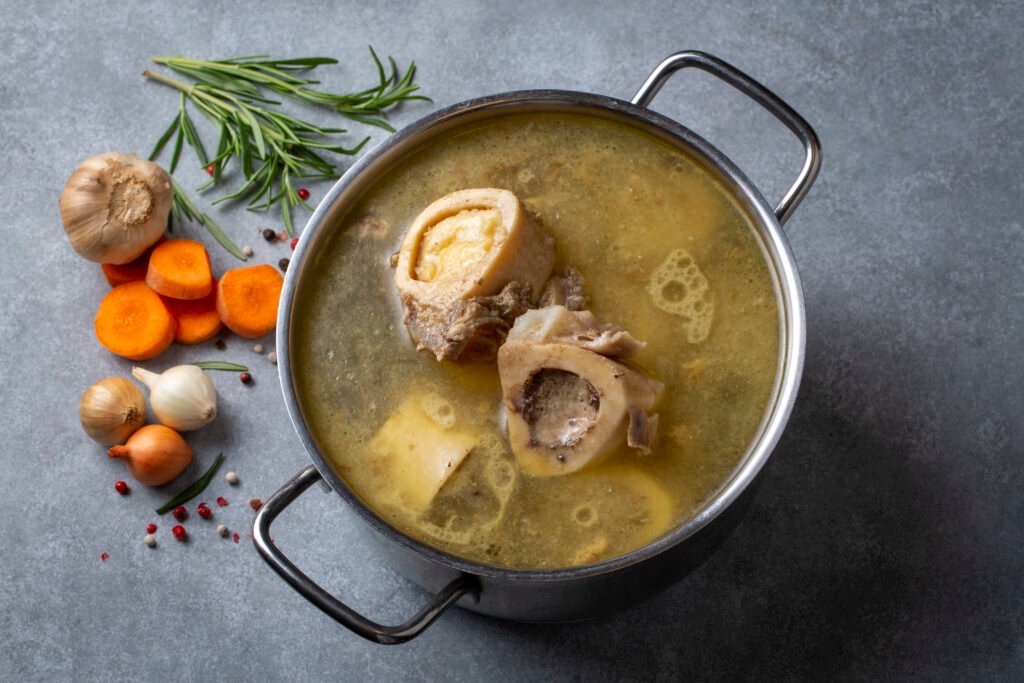
In the world of health and wellness, few things are as revered as a warm, nourishing bowl of anti-inflammatory bone broth. This age-old remedy is celebrated for its potential to soothe inflammation, support joint health, and boost the immune system. Whether you’re looking to enhance your diet with nutrient-rich foods or seeking a natural way to alleviate inflammation, bone broth is a versatile and delicious option. In this article, we’ll explore the benefits and preparation of this remarkable broth, guiding you through every step to create your own batch of health-boosting goodness.
Bone broth is more than just a culinary trend; it’s a tradition that dates back centuries. Known for its rich flavor and healing properties, this broth is made by simmering bones and connective tissues of animals, typically chicken or beef, for an extended period. This slow-cooking process extracts valuable nutrients, including collagen, amino acids, and minerals, which contribute to its anti-inflammatory effects. As you embark on the journey of making your own bone broth, you’ll discover not only its health benefits but also the comforting ritual of preparing this nourishing elixir.
For those interested in exploring more plant-based options, you might find inspiration in our article on vegan meal prep for work. While bone broth is animal-based, understanding diverse dietary choices can enrich your culinary repertoire and offer balanced nutrition.
Understanding the Ingredients
The foundation of any good bone broth is, of course, the bones. Opt for high-quality, grass-fed beef bones or organic chicken bones to ensure the best flavor and nutrient profile. These bones are rich in collagen, which breaks down into gelatin during cooking, providing the broth with its characteristic body and health benefits. Alongside the bones, aromatic vegetables such as onions, carrots, and celery are essential. These vegetables not only enhance the flavor but also contribute additional vitamins and minerals. Herbs like thyme, bay leaves, and parsley add depth and complexity to the broth, while a splash of apple cider vinegar helps extract minerals from the bones.
Ingredients: A Balanced Medley
- 2 pounds of beef or chicken bones
- 1 onion, quartered
- 2 carrots, chopped
- 2 celery stalks, chopped
- 2 tablespoons apple cider vinegar
- 1 teaspoon black peppercorns
- 2 bay leaves
- Handful of fresh parsley
- Water to cover
- Salt to taste
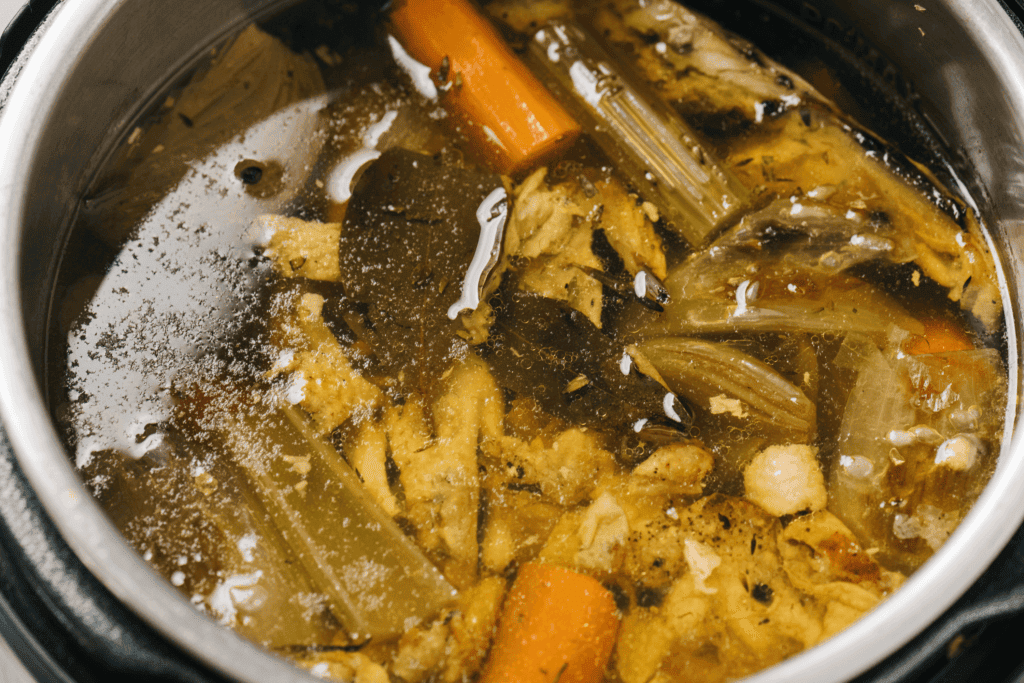
To make the most of your broth-making experience, consider using a dutch oven. This versatile piece of cookware is perfect for slow-cooking and can withstand long hours of simmering, ensuring that all the flavors meld beautifully.
Essential Cookware and Tools
Creating a perfect batch of bone broth requires more than just the right ingredients; having the right tools is equally important. A large stockpot or slow cooker is ideal for simmering the broth over several hours. A premium chef knife is invaluable for chopping vegetables and preparing the bones. Additionally, a fine-mesh strainer or cheesecloth is essential for straining the broth, ensuring a clear, smooth liquid free of any bone fragments or impurities. Finally, storage containers are necessary for preserving your broth, allowing you to enjoy its benefits over time.
Step-by-Step Preparation Guide
- Prepare the Bones: If using beef bones, roast them in the oven at 400°F for 30 minutes to enhance the flavor. This step is optional for chicken bones.
- Combine Ingredients: Place the bones, vegetables, apple cider vinegar, and herbs in a large stockpot or slow cooker. Add enough water to cover the ingredients by about an inch.
- Simmer Slowly: Bring the mixture to a boil, then reduce the heat to a gentle simmer. Skim off any foam that rises to the surface during the first hour.
- Cook for Hours: Allow the broth to simmer for at least 12 hours, and up to 24 hours for beef bones. This long cooking time is crucial for extracting maximum nutrients.
- Strain the Broth: Use a fine-mesh strainer or cheesecloth to strain the broth into a large bowl, discarding the solids.
- Season and Store: Add salt to taste, then transfer the broth to storage containers. Refrigerate for up to 5 days or freeze for longer storage.

For added flavor and health benefits, consider using avocado oil when sautéing vegetables before adding them to the broth. This oil is rich in healthy fats and can enhance the overall nutritional profile of your broth.
Storing Your Homemade Broth
Proper storage is key to maintaining the quality and flavor of your bone broth. After straining and cooling, transfer the broth into airtight containers. It can be stored in the refrigerator for up to five days, or frozen for several months. When freezing, consider using ice cube trays for convenient, single-serving portions. This allows you to easily add a cube or two to recipes or enjoy a quick, warming cup of broth whenever you need a health boost.
Health Benefits of Bone Broth
The health benefits of bone broth are numerous and well-documented. Rich in collagen, it supports joint health and may reduce symptoms of arthritis. The amino acids found in bone broth, such as glycine and proline, are known for their anti-inflammatory properties, which can help soothe the digestive tract and improve gut health. Additionally, the minerals extracted from the bones, including calcium, magnesium, and phosphorus, contribute to bone strength and overall wellness. For those interested in exploring more anti-inflammatory recipes, check out this collection of anti-inflammatory recipes.
Conclusion
Crafting your own anti-inflammatory bone broth is a rewarding endeavor that not only enriches your culinary skills but also enhances your health. With its rich flavor and myriad benefits, this broth is a valuable addition to any diet. Whether you’re sipping it on its own or using it as a base for soups and stews, bone broth offers a comforting and nourishing experience. By following the steps outlined in this guide, you’ll be well on your way to enjoying the many advantages of this timeless elixir.
Care for Your Cookware
To ensure the longevity of your cookware, proper care is essential. After using your dutch oven or stockpot, clean it thoroughly with warm, soapy water. Avoid using abrasive sponges or harsh chemicals that could damage the surface. For stubborn stains, a mixture of baking soda and water can be effective. Regular maintenance will keep your cookware in top condition, ready for your next batch of nourishing bone broth.