
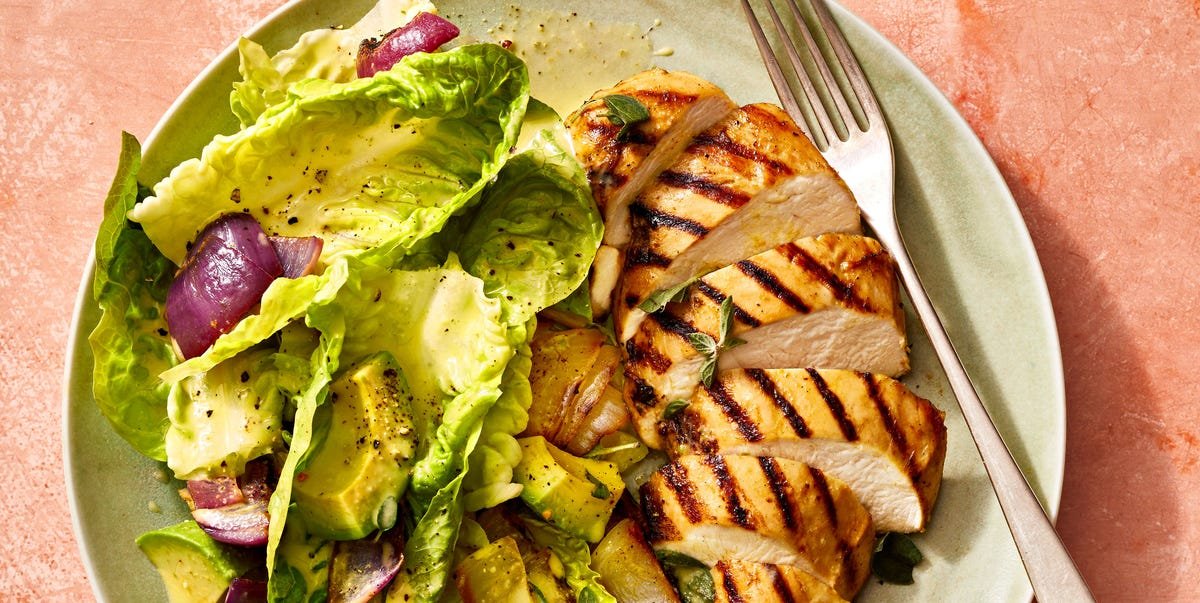
In recent years, the focus on maintaining a healthy lifestyle has led many to explore the benefits of anti-inflammatory low-carb recipes. These recipes are not only delicious but also help in reducing inflammation, which is a common cause of chronic diseases. By incorporating low-carb ingredients that are rich in anti-inflammatory properties, you can enjoy meals that support your overall well-being. Whether you’re looking to manage your weight, improve your health, or simply enjoy flavorful dishes, these recipes offer a perfect balance of taste and nutrition.
One of the key advantages of following an anti-inflammatory low-carb diet is its potential to reduce the risk of chronic illnesses such as heart disease, diabetes, and arthritis. By focusing on whole foods that are low in carbohydrates and rich in nutrients, you can help your body fight inflammation naturally. This approach not only aids in weight management but also boosts energy levels and enhances mental clarity. For those interested in exploring more plant-based options, our article on vegan meal prep for work offers additional insights into maintaining a healthy diet.
In this article, we will delve into a variety of anti-inflammatory low-carb recipes that are easy to prepare and packed with flavor. From vibrant salads to hearty main courses, these recipes are designed to make healthy eating both enjoyable and sustainable. Let’s explore how you can incorporate these nutritious dishes into your daily routine.
Understanding the Ingredients
When it comes to crafting anti-inflammatory low-carb recipes, selecting the right ingredients is crucial. These recipes often include a variety of vegetables, lean proteins, and healthy fats. Vegetables such as leafy greens, broccoli, and bell peppers are rich in antioxidants and fiber, which help reduce inflammation and promote digestive health. Lean proteins like chicken, turkey, and fish provide essential amino acids without the added carbohydrates, making them ideal for a low-carb diet.
Healthy fats play a significant role in these recipes as well. Ingredients like nuts, seeds, and oils such as avocado oil are excellent sources of monounsaturated fats, which have been shown to reduce inflammation and improve heart health. By incorporating these ingredients into your meals, you can create dishes that are not only satisfying but also beneficial for your health.
Exploring Flavorful Combinations
Creating anti-inflammatory low-carb recipes is all about experimenting with flavors and textures. Herbs and spices such as turmeric, ginger, and garlic are not only flavorful but also possess powerful anti-inflammatory properties. These spices can transform a simple dish into a culinary delight while providing health benefits. Additionally, incorporating a variety of textures, such as crunchy nuts or creamy avocados, can enhance the overall eating experience.
For those who enjoy a bit of heat, adding chili peppers or cayenne can boost metabolism and add a spicy kick to your meals. The key is to balance these flavors with the natural sweetness of ingredients like tomatoes or bell peppers, creating a harmonious blend that tantalizes the taste buds.
Ingredients: A Balanced Medley
- 2 cups leafy greens (spinach, kale, or arugula)
- 1 cup broccoli florets
- 1 bell pepper, sliced
- 1 cup cherry tomatoes, halved
- 2 tablespoons avocado oil
- 1 teaspoon turmeric powder
- 1 teaspoon ginger, grated
- 2 garlic cloves, minced
- Salt and pepper to taste
- 1 pound chicken breast, grilled and sliced
- 1/4 cup almonds, chopped
Essential Cookware and Tools
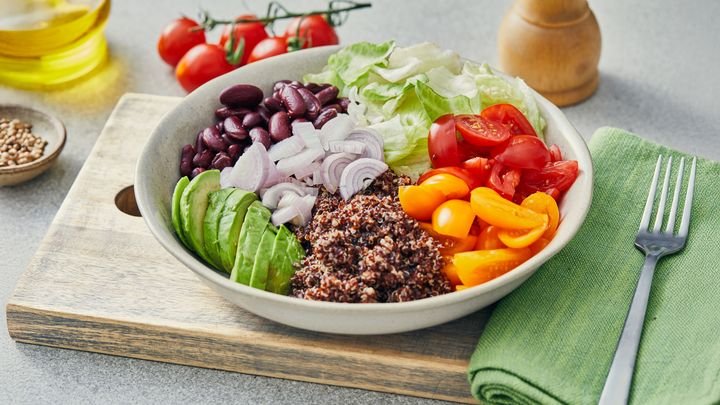
To prepare these delicious meals, having the right cookware is essential. A dutch oven is perfect for slow-cooking meats and vegetables, allowing flavors to meld beautifully. Additionally, a premium chef knife is indispensable for chopping and slicing ingredients with precision. These tools not only make cooking more efficient but also enhance the overall quality of your dishes.
Step-by-Step Preparation Guide
- Start by washing and preparing all the vegetables. Use a premium chef knife to slice the bell pepper and halve the cherry tomatoes.
- In a large bowl, combine the leafy greens, broccoli, bell pepper, and cherry tomatoes.
- In a small pan, heat the avocado oil over medium heat. Add the turmeric, ginger, and garlic, and sauté for 1-2 minutes until fragrant.
- Pour the sautéed mixture over the salad and toss to coat the vegetables evenly.
- Season the grilled chicken breast with salt and pepper, then slice it thinly.
- Arrange the sliced chicken over the salad and sprinkle with chopped almonds for added crunch.
- Serve immediately or store in the refrigerator for up to two days.
Storing Your Anti-Inflammatory Meal
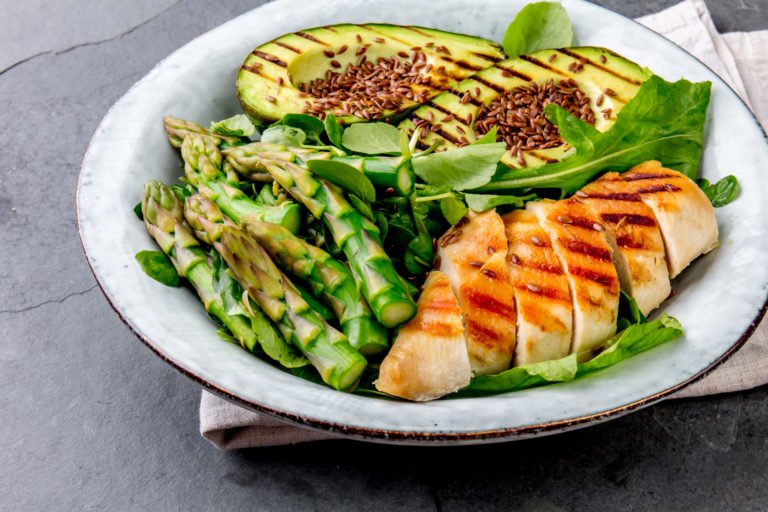
Proper storage is key to maintaining the freshness and flavor of your anti-inflammatory low-carb recipes. Once prepared, these dishes can be stored in airtight containers in the refrigerator for up to two days. To ensure the best taste and texture, it’s recommended to keep the dressing separate and add it just before serving. This prevents the vegetables from becoming soggy and preserves their crispness.
Health Benefits of Low-Carb Anti-Inflammatory Meals
Incorporating anti-inflammatory low-carb recipes into your diet offers numerous health benefits. These meals are designed to reduce inflammation, which is a common contributor to chronic diseases. By focusing on whole, unprocessed foods, you can improve your body’s ability to fight inflammation naturally. Additionally, these recipes are low in carbohydrates, making them ideal for weight management and blood sugar control. For more information on foods that combat inflammation, consider reading this Harvard Health article.
Conclusion
Embracing a diet rich in anti-inflammatory low-carb recipes is a delicious and effective way to support your health. By choosing ingredients that are both nutritious and flavorful, you can enjoy meals that not only taste great but also promote overall well-being. Whether you’re new to this dietary approach or looking to expand your culinary repertoire, these recipes provide a perfect starting point for a healthier lifestyle.
Care for Your Cookware
Maintaining your cookware is essential for ensuring longevity and optimal performance. After using your dutch oven or chef knife, be sure to clean them thoroughly with warm, soapy water. Avoid using abrasive cleaners that can damage the surface. Proper care will keep your tools in excellent condition, allowing you to continue creating delicious meals with ease.