
In the realm of natural remedies, few concoctions are as revered as anti-inflammatory ginger tea. This soothing beverage not only offers a warm embrace on a chilly day but also packs a punch of health benefits that can aid in reducing inflammation. Whether you’re looking to soothe a sore throat, ease digestive discomfort, or simply enjoy a flavorful drink, ginger tea is a versatile option. The combination of ginger’s natural anti-inflammatory properties and its robust flavor makes it a staple in many households. As we delve into the intricacies of preparing this delightful tea, you’ll discover how simple ingredients can transform into a powerful elixir.
Ginger, a root known for its medicinal properties, has been used in traditional medicine for centuries. Its active compounds, such as gingerol, are known to combat inflammation and provide relief from various ailments. When brewed into a tea, ginger releases its potent flavors and health benefits, making it an ideal choice for those seeking natural remedies. The process of making ginger tea is straightforward, yet the results are profoundly beneficial. By incorporating this tea into your daily routine, you can enjoy not only its warming qualities but also its ability to support overall well-being. For more on the benefits of anti-inflammatory foods, you can explore this Harvard Health article.
Before we dive into the recipe, it’s worth mentioning that ginger tea can be a part of a broader anti-inflammatory diet. If you’re interested in exploring more recipes that support this lifestyle, consider trying an anti-inflammatory smoothie bowl. This can complement your ginger tea routine and provide a holistic approach to reducing inflammation through diet.

Ginger: The Star Ingredient
The primary ingredient in our tea, ginger, is a powerhouse of nutrients and bioactive compounds. Known for its spicy and pungent flavor, ginger is not only a culinary delight but also a medicinal marvel. It contains gingerol, a substance with powerful anti-inflammatory and antioxidant effects. Regular consumption of ginger can help reduce muscle pain, soreness, and symptoms of osteoarthritis. Moreover, ginger is effective in combating nausea, making it a popular remedy for morning sickness and seasickness. When used in tea, ginger’s warming properties can also help soothe a sore throat and improve circulation, providing a comforting experience with each sip.
Complementary Ingredients
While ginger is the star of this tea, other ingredients play supporting roles to enhance both flavor and health benefits. Lemon, for instance, adds a refreshing citrus note while providing a dose of vitamin C, which can boost the immune system. Honey, a natural sweetener, not only balances the spiciness of ginger but also offers antibacterial properties. For those who prefer a more robust flavor, adding a pinch of turmeric can amplify the anti-inflammatory effects of the tea. Turmeric contains curcumin, another potent anti-inflammatory compound, making it a perfect companion to ginger. Together, these ingredients create a harmonious blend that is both delicious and beneficial for health.
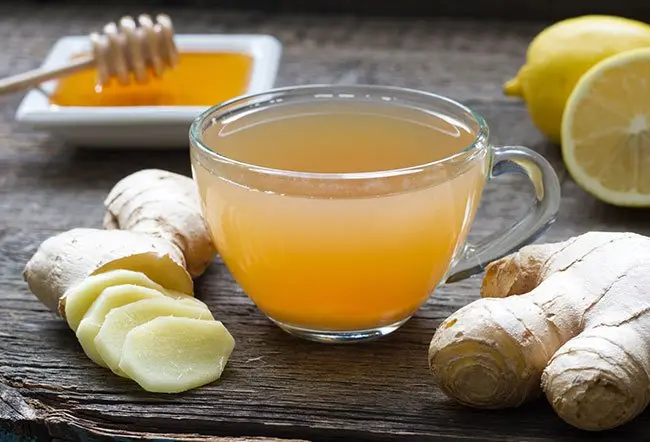
Ingredients: A Balanced Medley
- 2 cups of water
- 1-inch piece of fresh ginger, sliced
- 1 tablespoon of honey
- 1 tablespoon of lemon juice
- Optional: a pinch of turmeric
Essential Cookware and Tools
To prepare this invigorating tea, you’ll need a few essential tools. A dutch oven or a medium-sized saucepan will be perfect for boiling the water and ginger. A premium chef knife is recommended for slicing the ginger with precision, ensuring even extraction of flavors. Additionally, a fine mesh strainer will be useful for removing the ginger slices from the tea before serving. These tools not only make the preparation process smoother but also enhance the overall experience of making and enjoying ginger tea.
Step-by-Step Preparation Guide
- Begin by boiling 2 cups of water in your chosen cookware. Once the water reaches a rolling boil, add the sliced ginger.
- Reduce the heat and let the ginger simmer for about 10-15 minutes. This allows the ginger to release its flavors and beneficial compounds into the water.
- After simmering, remove the pot from heat and strain the tea into a cup using a fine mesh strainer to catch the ginger slices.
- Add honey and lemon juice to the strained tea, stirring well to combine. If desired, add a pinch of turmeric for an extra health boost.
- Serve the tea hot, and enjoy the soothing and warming effects of this anti-inflammatory beverage.
Storing Your Ginger Tea
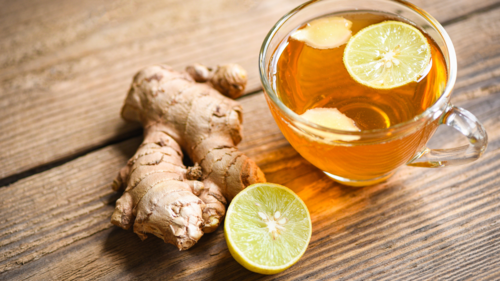
While ginger tea is best enjoyed fresh, you can store any leftover tea in the refrigerator for up to 48 hours. To store, simply pour the cooled tea into an airtight container and refrigerate. When you’re ready to enjoy it again, reheat the tea gently on the stove or in the microwave. Be sure to stir well before serving, as the honey and lemon may settle at the bottom. Storing ginger tea allows you to have a quick and easy option available whenever you need a comforting and healthful drink.
Health Benefits of Ginger Tea
Ginger tea is not only a delightful beverage but also a potent health tonic. Its anti-inflammatory properties can help reduce chronic inflammation, which is linked to numerous health conditions such as arthritis, heart disease, and diabetes. Additionally, ginger tea can aid in digestion, alleviate nausea, and improve circulation. The combination of ginger, lemon, and honey provides a natural boost to the immune system, helping to fend off colds and flu. By incorporating ginger tea into your daily routine, you can enjoy these health benefits while savoring a delicious and warming drink.
Conclusion
Incorporating anti-inflammatory ginger tea into your daily routine is a simple yet effective way to enhance your health and well-being. With its robust flavor and myriad health benefits, ginger tea is a versatile beverage that can be enjoyed at any time of the day. Whether you’re looking to soothe a sore throat, improve digestion, or simply enjoy a comforting drink, ginger tea is an excellent choice. By using fresh ingredients and following the preparation steps outlined above, you can create a delicious and healthful tea that supports your overall wellness.
Care for Your Cookware
Proper care of your cookware ensures that it remains in good condition for future use. After preparing your ginger tea, be sure to clean your avocado oil-seasoned dutch oven or saucepan thoroughly. Use warm, soapy water and a soft sponge to remove any residue. Avoid using abrasive cleaners or scouring pads, as these can damage the surface of your cookware. By taking care of your tools, you can ensure that they remain reliable and effective for all your culinary adventures.