
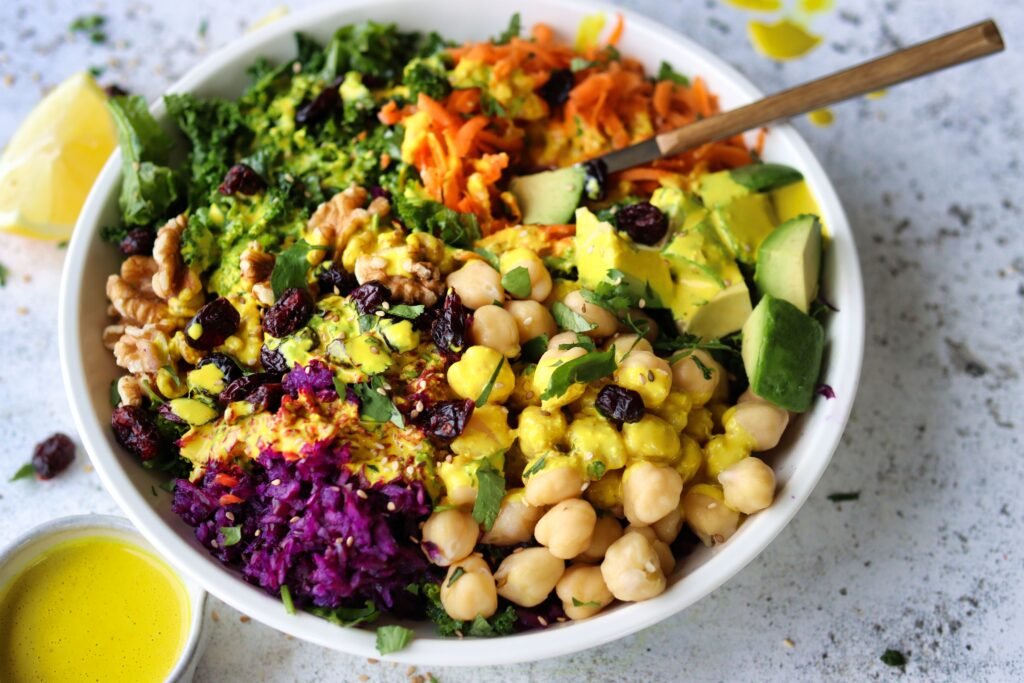
Discovering the world of anti-inflammatory dressing recipes can be a game-changer for those looking to enhance their meals with healthy, flavorful options. These dressings are not only delicious but also packed with ingredients that help reduce inflammation in the body. Whether you’re drizzling them over salads, using them as marinades, or simply dipping your favorite veggies, these dressings are versatile and beneficial. In this article, we’ll explore a variety of recipes that are easy to make and incorporate into your daily diet.
Before diving into the recipes, it’s important to understand the impact of inflammation on our health. Chronic inflammation has been linked to numerous health issues, including heart disease, diabetes, and certain cancers. By incorporating anti-inflammatory ingredients into your meals, you can help mitigate these risks. For more insights on how to fight inflammation through diet, check out this 7-day meal plan to fight inflammation.
For those interested in meal planning, you might find inspiration from our vegan meal prep for work guide, which offers practical tips for preparing healthy meals that are both convenient and nutritious.
Understanding Anti-Inflammatory Ingredients
When crafting your own anti-inflammatory dressing recipes, it’s crucial to focus on ingredients known for their anti-inflammatory properties. Ingredients like turmeric, ginger, garlic, and olive oil are staples in these recipes. Turmeric contains curcumin, a powerful anti-inflammatory compound, while ginger and garlic are known for their antioxidant and anti-inflammatory effects. Olive oil, particularly extra virgin, is rich in monounsaturated fats and polyphenols, which contribute to its anti-inflammatory properties. Incorporating these ingredients into your dressings not only enhances flavor but also boosts your health.
Exploring Flavorful Combinations
Creating a delicious dressing involves balancing flavors and textures. Consider combining the earthy warmth of turmeric with the zesty kick of lemon juice and the smoothness of avocado oil. This combination not only tastes great but also maximizes the health benefits. Adding a touch of honey or maple syrup can provide a hint of sweetness, while apple cider vinegar offers a tangy contrast. Experimenting with different herbs and spices, such as basil, cilantro, or cumin, can further enhance the complexity of your dressings.
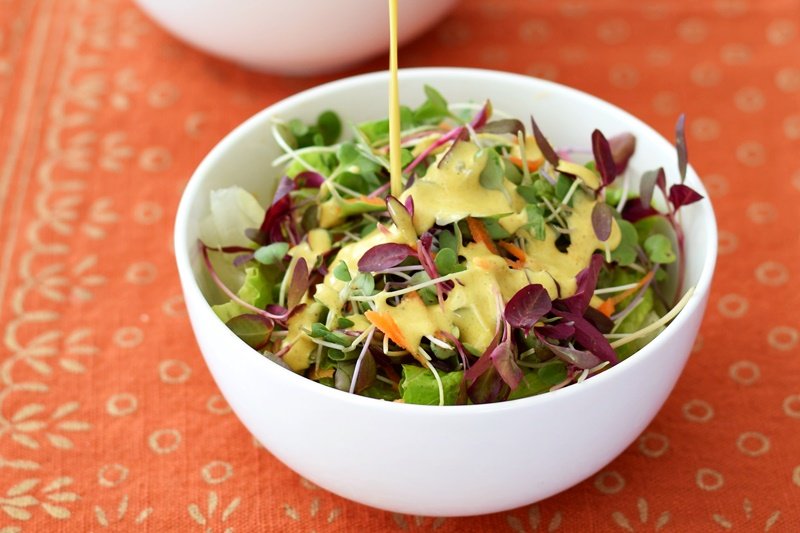
Ingredients: A Balanced Medley
- 1/4 cup extra virgin olive oil
- 2 tablespoons apple cider vinegar
- 1 tablespoon lemon juice
- 1 tablespoon honey or maple syrup
- 1 teaspoon turmeric powder
- 1 teaspoon grated ginger
- 1 clove garlic, minced
- Salt and pepper to taste
- Optional: Fresh herbs like basil or cilantro
Essential Cookware and Tools
To prepare these dressings, having the right tools can make the process smoother and more enjoyable. A premium chef knife is essential for chopping fresh herbs and mincing garlic with precision. Additionally, a sturdy whisk or a small blender can help emulsify the ingredients, ensuring a smooth and well-blended dressing. For those who enjoy making larger batches, a dutch oven can be useful for storing and mixing larger quantities.
Step-by-Step Preparation Guide
- Start by measuring all the ingredients and setting them aside. This will make the process more efficient and ensure you don’t miss any components.
- In a small bowl, combine the olive oil, apple cider vinegar, and lemon juice. Whisk these ingredients together until they are well combined.
- Add the honey or maple syrup, turmeric powder, grated ginger, and minced garlic to the bowl. Continue whisking until the mixture is smooth and well-blended.
- Season the dressing with salt and pepper to taste. If desired, stir in freshly chopped herbs like basil or cilantro for added flavor.
- Once the dressing is fully combined, taste and adjust the seasoning as needed. You may want to add more lemon juice or vinegar for extra tanginess.
- Transfer the dressing to a clean jar or bottle with a tight-fitting lid. Store it in the refrigerator for up to one week, shaking well before each use.
Storing Your Anti-Inflammatory Dressings
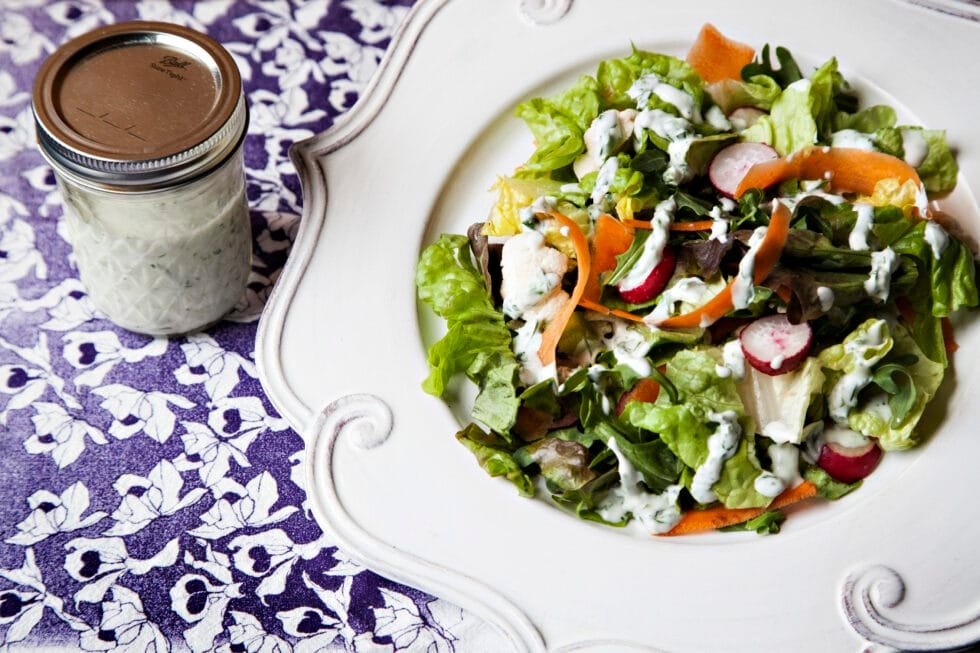
Proper storage is key to maintaining the freshness and flavor of your dressings. Once prepared, store your dressing in an airtight container in the refrigerator. This will help preserve the ingredients and prevent spoilage. It’s important to shake the dressing well before each use, as some separation may occur over time. If you notice any off smells or changes in texture, it’s best to discard the dressing and prepare a new batch.
Health Benefits of Anti-Inflammatory Dressings
Incorporating anti-inflammatory dressing recipes into your diet offers numerous health benefits. These dressings are rich in antioxidants and healthy fats, which can help reduce inflammation and support overall health. The use of ingredients like turmeric and ginger provides anti-inflammatory and antioxidant properties, while olive oil contributes to heart health by improving cholesterol levels. Additionally, these dressings can enhance the flavor of your meals, making it easier to consume more vegetables and maintain a balanced diet.
Conclusion
Creating your own anti-inflammatory dressing recipes is a simple and effective way to boost the nutritional value of your meals. By using fresh, wholesome ingredients, you can craft dressings that are not only delicious but also beneficial to your health. Experiment with different flavor combinations and find the ones that suit your taste preferences. Remember, the key to a healthy diet is variety and balance, so don’t hesitate to explore new ingredients and recipes.
Care for Your Cookware
To ensure the longevity of your kitchen tools, proper care is essential. Always clean your knives and utensils immediately after use to prevent staining and damage. For items like a dutch oven, avoid using abrasive cleaners that can scratch the surface. Instead, opt for gentle dish soap and a soft sponge. Regular maintenance will keep your cookware in top condition, making meal preparation a more enjoyable experience.