
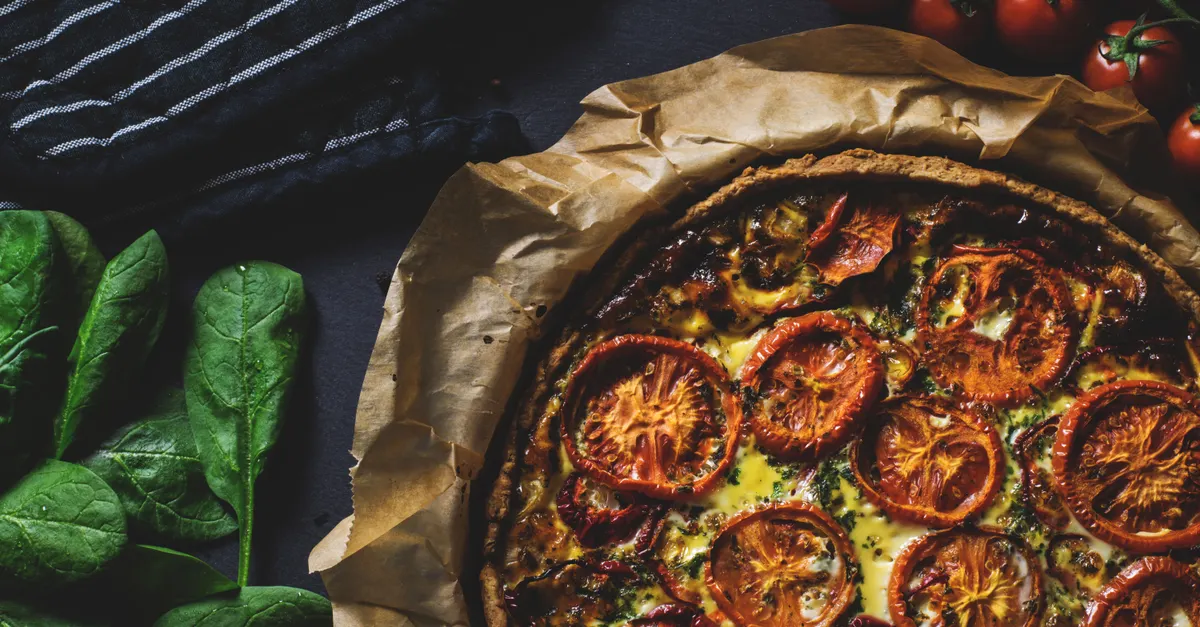
Embrace the vibrant flavors of spring with a delightful vegetable quiche featuring seasonal veggies. This savory dish not only captures the essence of the season but also provides a nutritious and satisfying meal option. By incorporating fresh spring vegetables, you can create a quiche that is bursting with flavor and color. Whether you’re hosting a brunch or looking for a healthy dinner option, this quiche is sure to impress.
Using seasonal spring vegetables in your quiche not only enhances the taste but also ensures that you’re using the freshest produce available. Spring vegetables like asparagus, spinach, and leeks are at their peak during this time, offering a crisp and tender texture that complements the creamy filling of the quiche. The combination of these vegetables with a flaky crust creates a harmonious blend of flavors that is both comforting and refreshing.
Before diving into the recipe, it’s important to consider the benefits of using seasonal produce. Not only does it support local farmers and reduce your carbon footprint, but it also guarantees that your ingredients are at their most flavorful and nutritious. For more inspiration on incorporating vegetables into your meals, check out this Easy Lentil Vegetable Casserole Recipe.

Choosing the Best Seasonal Spring Vegetables
When selecting vegetables for your quiche, focus on those that are in season during spring. Asparagus is a quintessential spring vegetable, known for its tender stalks and slightly sweet flavor. Spinach is another excellent choice, offering a vibrant green color and a mild taste that pairs well with eggs and cheese. Leeks, with their subtle onion-like flavor, add depth to the quiche without overpowering the other ingredients. Other great options include peas, artichokes, and radishes. These vegetables not only enhance the flavor of the quiche but also provide a variety of textures, making each bite a delightful experience.
Preparing Vegetables for Quiche
Proper preparation of vegetables is crucial to ensure they are perfectly cooked and retain their flavor in the quiche. Start by washing all vegetables thoroughly to remove any dirt or pesticides. For asparagus, trim the woody ends and cut the stalks into bite-sized pieces. Spinach should be washed and dried, with any tough stems removed. Leeks require a bit more attention; slice them lengthwise and rinse under running water to remove any grit trapped between the layers. Sautéing the vegetables before adding them to the quiche helps to soften them and enhances their flavors. This step also reduces the moisture content, preventing the quiche from becoming watery.
Creating a Healthy Vegetable Quiche
To make your quiche healthier, consider using ingredient substitutions that reduce fat and calories without sacrificing taste. According to the University of Illinois Extension, using low-fat cheese and fat-free evaporated milk instead of heavy cream can significantly cut down on calories and fat content. Additionally, increasing the amount of vegetables in your quiche not only boosts its nutritional value but also adds fiber, which can help reduce the risk of heart disease and other health issues. These substitutions ensure that your quiche remains a delicious and healthy meal option.
Ingredients: A Balanced Medley
- 1 pre-made pie crust
- 1 cup asparagus, trimmed and chopped
- 1 cup fresh spinach, washed and dried
- 1 leek, sliced and rinsed
- 1/2 cup peas
- 1/2 cup low-fat cheese, shredded
- 4 large eggs
- 1 cup fat-free evaporated milk
- Salt and pepper to taste
- 1 tablespoon olive oil
Essential Cookware and Tools
To prepare this quiche, you’ll need a few essential cookware items. A pie dish is necessary for baking the quiche, while a skillet is useful for sautéing the vegetables. A whisk will help you blend the eggs and milk smoothly. Additionally, a sharp knife and cutting board are essential for preparing the vegetables. For more hearty vegetable recipes, consider exploring this French Lentil Roasted Vegetable Bowl Recipe.
Step-by-Step Preparation Guide
- Preheat your oven to 375°F (190°C).
- Blind bake the pie crust for 10 minutes to ensure it stays crisp.
- In a skillet, heat olive oil over medium heat. Add asparagus, leeks, and peas, sautéing until tender.
- Add spinach to the skillet and cook until wilted. Remove from heat and let cool slightly.
- In a large bowl, whisk together eggs, evaporated milk, salt, and pepper.
- Stir the sautéed vegetables and cheese into the egg mixture.
- Pour the mixture into the pre-baked pie crust.
- Bake the quiche for 35-40 minutes, or until the center is set and the top is golden brown.
- Allow the quiche to cool for a few minutes before slicing and serving.
Storing Your Vegetable Quiche
Once your quiche has cooled, it can be stored in the refrigerator for up to three days. To reheat, simply place a slice in the oven at 350°F (175°C) for about 10 minutes, or until heated through. If you wish to freeze the quiche, wrap it tightly in plastic wrap and aluminum foil to prevent freezer burn. It can be frozen for up to two months. To reheat from frozen, bake at 350°F (175°C) for 20-25 minutes.
Health Benefits of Vegetable Quiche
Incorporating a variety of vegetables into your quiche not only enhances its flavor but also boosts its nutritional profile. Vegetables are rich in vitamins, minerals, and antioxidants, which are essential for maintaining good health. The use of low-fat cheese and fat-free evaporated milk further reduces the calorie and fat content, making this quiche a heart-healthy option. By choosing seasonal vegetables, you ensure that your dish is packed with nutrients and flavor.
Conclusion
This vegetable quiche is a versatile dish that can be enjoyed at any time of the day. Serve it with a fresh salad or a bowl of soup for a complete meal. For a cozy and easy dinner option, consider pairing it with this Classic Lentil and Vegetable Soup Recipe. The combination of flavors and textures will delight your taste buds and provide a satisfying dining experience.
Care for Your Cookware
Proper care of your cookware ensures that it lasts for years to come. After using your pie dish and skillet, wash them with warm soapy water and dry thoroughly to prevent rust and damage. Avoid using abrasive cleaners that can scratch the surface. Regular maintenance of your kitchen tools will keep them in excellent condition, ready for your next culinary adventure.